Supreme Court Approves Trump's Firing of Product Safety Commissioners, Liberal Justices Object
Supreme Court Allows Trump to Remove CPSC Commissioners
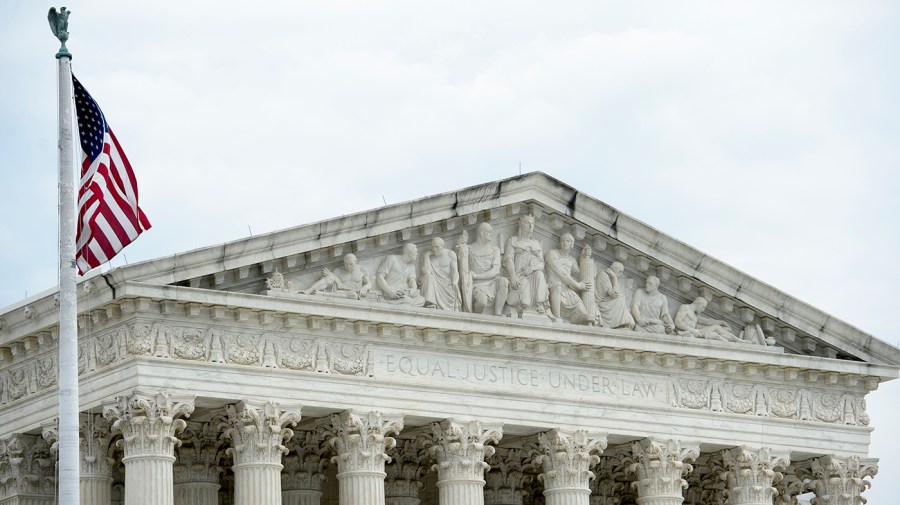
The U.S. Supreme Court has taken another step in supporting the Trump administration’s efforts to remove members of independent federal agencies. On Wednesday, the Court issued an emergency order that allowed President Donald Trump to terminate three commissioners from the Consumer Product Safety Commission (CPSC). This decision marks the second time this year that the justices have permitted such actions, signaling a potential shift in how executive power is exercised over independent regulatory bodies.
The emergency order overturned a lower court’s ruling that had deemed the firings unlawful and ordered the reinstatement of the three commissioners—Mary Boyle, Alexander Hoehn-Saric, and Richard Trumka Jr.—as the legal battle continued. The Supreme Court majority cited its earlier May ruling, which approved Trump’s removal of members from two other independent agencies, arguing that the CPSC case did not differ in any significant way.
“Although our interim orders are not conclusive as to the merits, they inform how a court should exercise its equitable discretion in like cases,” the unsigned order stated.
Democratic Dissent and Concerns Over Executive Power
Three justices appointed by Democratic presidents dissented, expressing concerns about the implications of the ruling. Justice Elena Kagan, joined by Justices Sonia Sotomayor and Ketanji Brown Jackson, criticized the majority for undermining Congress’s design of agency independence. “By means of such actions, this Court may facilitate the permanent transfer of authority, piece by piece by piece, from one branch of Government to another. Respectfully, I dissent,” Kagan wrote.
This decision represents a win for the Trump administration, which has been pushing to expand executive authority since returning to the White House. The administration has sought to weaken the protections that prevent the president from removing members of independent agencies without cause. These protections were established through a 90-year-old Supreme Court precedent, which the current administration is challenging.
Previous Rulings and Legal Challenges
This is the second time the Supreme Court has intervened to allow Trump’s firings of independent agency leaders. In May, the Court permitted the removal of National Labor Relations Board member Gwynne Wilcox and Merit Systems Protection Board member Cathy Harris. Solicitor General D. John Sauer argued that lower courts have not fully grasped the administration’s position, including when U.S. District Judge Matthew Maddox blocked the CPSC firings.
Sauer urged the Supreme Court to take the case directly rather than sending it back to lower courts. “This case illustrates that the sooner this Court resolves the merits of this application and decides foundational questions about the scope of the President’s removal authority, the better,” he wrote.
However, the majority chose not to take this step, instead sending the case back to lower courts for further proceedings. Justice Brett Kavanaugh, a Trump appointee, suggested that the Court should have taken a more decisive approach. He warned that leaving the issue unresolved could lead to “extended uncertainty and confusion” about whether the Court will overturn previous precedents.
Legal Protections and Agency Independence
The CPSC commissioners, who were appointed by former President Joe Biden, were removed earlier this year. Trump did not provide specific reasons for their termination, despite federal law requiring that independent agency members be removed only for “neglect of duty or malfeasance in office.” Similar rules apply to other agencies, ensuring a level of independence from political pressures.
The commissioners, represented by consumer advocacy group Public Citizen, asked the Court to avoid intervening in the case. “The government now asks this Court to disrupt the status quo and enter a stay that would prevent the Commissioners from serving in the roles that the district court held they are entitled to occupy,” the group’s attorneys argued in court filings.
The ongoing legal battles highlight the tension between executive power and the structural safeguards designed to maintain the independence of federal agencies. As the case moves forward, it remains to be seen how the judiciary will balance these competing interests.

Post a Comment for "Supreme Court Approves Trump's Firing of Product Safety Commissioners, Liberal Justices Object"
Post a Comment