Summer pest invades North Carolina's Triad; Protect your vineyards from the bug threat
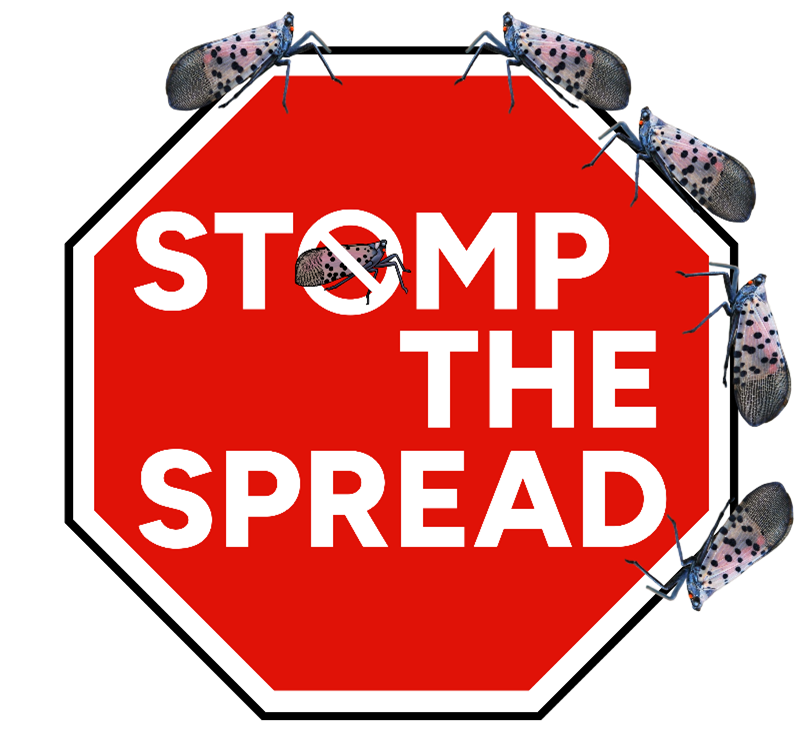
Spotted Lanternflies Are Spreading Across North Carolina
Spotted lanternflies are becoming an increasing concern in North Carolina, with their presence threatening local agriculture, particularly the state’s vineyards. While Kernersville was identified as the initial epicenter of the infestation in 2022, the insects have since spread to four additional counties: Caldwell, Forsyth, Guilford, and Rockingham. Experts warn that the situation is evolving rapidly, and residents need to be vigilant.
Rising Reports of Spotted Lanternfly Sightings
Rebecca Craps, an Environment and Natural Resources Extension Agent at the Forsyth County Center, has been receiving over 30 calls a week from residents reporting sightings of the invasive bug. These reports are coming from areas farther west within Forsyth County and beyond Kernersville. Recently, a resident near Rural Hall brought a live specimen to her in a paper cup, which she is now using for educational purposes. The insect is currently being kept in a controlled habitat for demonstrations and public inquiries.
Adult spotted lanternflies, which have gray wings with black polka dots, have been reported more frequently this summer. However, some late-stage nymphs with red and black stripes and white polka dots may still be present. Craps emphasizes that sightings in Kernersville should not be reported, as the infestation there is already well-documented. For other locations, if you spot the bug in your yard or during a hike, it is important to report the sighting and include a photo if possible.
Identifying the Threat
The spotted lanternfly is known for feeding on a wide range of trees, but they particularly target fruit trees. Their preferred egg-laying site is the tree of heaven, an invasive species native to China. This tree excretes chemicals into the soil that inhibit the growth of other plants and can be harmful to many native species. It also spreads aggressively through seed dispersal, leading to overcrowding and the loss of beneficial vegetation.
How to Manage the Spread
Residents are encouraged to take action to help control the spread of the spotted lanternfly. Here are several methods recommended by experts:
- Stomp on flies that are on the ground.
- Use insecticidal soaps, including those with neem oil, to coat and kill the bugs.
- Place stick traps around the base of trees where infestations are occurring.
- Use a wet/dry vacuum to collect large numbers of the insects and then add soapy water to kill them.
- Freeze the insects to eliminate them.
- Scrape egg masses in the fall and submerge them in soapy water.
- Create traps for egg masses on trees and spray with horticultural oil to smother the nymphs.
Craps has detailed guidance in her June 26 online article titled “Spotted Lanternfly – What Homeowners Can Do Right Now.”
Impact on the Wine Industry
The threat posed by the spotted lanternfly extends beyond residential areas. Scientists from Cornell University's Integrated Pest Management program warn that these pests can weaken grapevines significantly, potentially reducing vineyard yields by up to 90%. The insects produce a sugary substance that attracts other pests and promotes the growth of sooty mold, a type of fungi that further damages crops.
North Carolina’s wine industry is valued at approximately $7.9 billion, according to the WineAmerica North Carolina Economic Impact Study 2025. Agricultural authorities are urging homeowners to take proactive steps to manage the infestation, especially during the fall season, to prevent further spread across the state.
Broader Implications
The spotted lanternfly is not just a local issue; it has become a growing problem across multiple states, from the Northeast to the Mid-Atlantic. Agricultural teams are working tirelessly to protect crops and fruit trees, but the success of these efforts depends heavily on public participation and awareness.
As the situation continues to evolve, staying informed and taking action is essential for protecting both natural ecosystems and agricultural industries.

Post a Comment for "Summer pest invades North Carolina's Triad; Protect your vineyards from the bug threat"
Post a Comment