South Korea Tours Extend by a Year as Army Reduces Moves
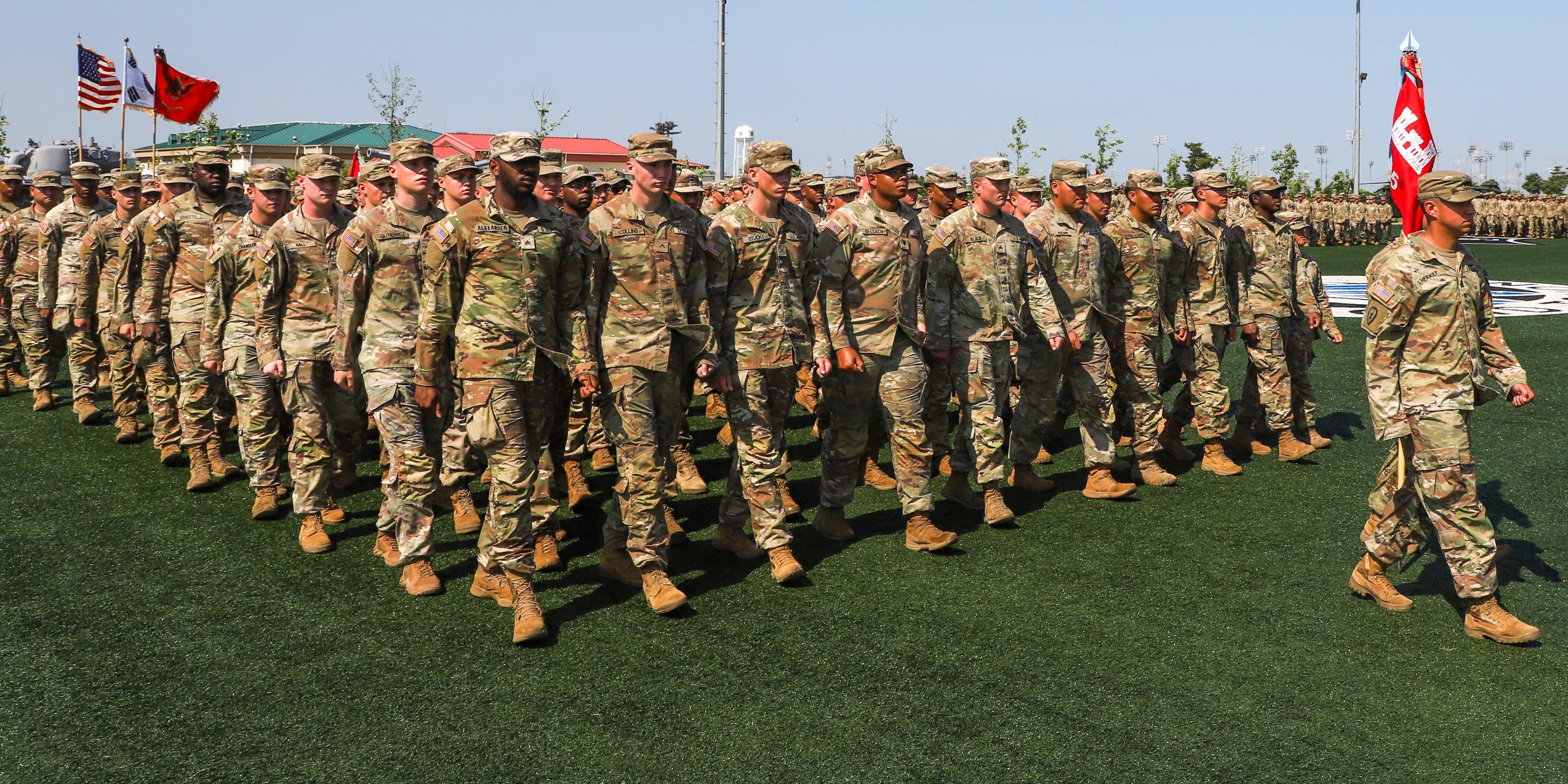
Extended Tours in South Korea to Enhance Stability and Reduce Costs
The U.S. Army is implementing a new policy that extends the length of military tours in South Korea, aiming to provide greater stability for soldiers and their families while also reducing operational costs. This shift marks a significant change in how service members are assigned to the region, with the goal of minimizing the stress associated with frequent relocations.
Traditionally, soldiers stationed in South Korea have been assigned to units for one year, with the option to extend their tours to two or three years if they are accompanied by their families. Under the updated policy, single soldiers will now receive two-year assignments, while those with families will be given three-year assignments. This aligns South Korea's tour lengths with other overseas postings in countries such as Germany, Japan, and Italy, where similar structures are already in place.
The move is intended to offer more consistency and long-term planning for military personnel and their families. Soldiers can be assigned to various bases across South Korea, with Camp Humphreys being the largest. The base is located about 40 miles south of Seoul and hosts approximately 40,000 active-duty troops, civilians, and family members.
Col. Arron Lummer, assistant chief of staff for the 8th Army, emphasized that extending tour lengths will make South Korea a "more fulfilling assignment" by reducing the stress of frequent moves and offering greater stability in both professional and personal life. Military spouses have long voiced concerns about the challenges of frequent relocations, including the difficulty of finding stable employment and childcare in new locations.
In May, Pentagon officials requested each branch of the military to develop plans aimed at reducing the number of permanent change of station (PCS) moves. This initiative is designed to alleviate stress on service members and their families while also cutting costs. Although discussions about changing tour lengths in South Korea began before the Pentagon’s broader initiative, the goals remain consistent: to reduce the frequency of moves, which translates into cost savings and improved readiness.
The new policy will take effect for soldiers who are PCSing to South Korea on or after October 1. Those currently stationed in the country will complete their current tours, and any extensions will be voluntary unless there is an operational need. The Army may still allow limited cases of 12-month solo tours for some soldiers, but they will receive family separation pay in such situations.
Col. Lummer acknowledged that not all service members may initially prefer longer tours, but he noted that most international assignments already operate on extended timelines. He highlighted the benefits of a South Korea tour, including access to quality schools, cultural experiences, and other advantages that make it an attractive assignment.
The revised PCS policy applies to permanently assigned personnel and does not affect rotational units like the 1-4 Stryker Brigade Combat Team, which regularly sends troops for nine-month deployments. Army officials stated that the changes to tour lengths will not alter the total number of troops stationed or deployed in South Korea, as mandated by Congress. The 2026 annual defense bill calls for 28,500 troops in the country.
Despite these changes, reports indicate that the Trump administration was considering withdrawing thousands of troops from South Korea. This potential withdrawal comes amid broader discussions about shifting American military strategy toward the Pacific in preparation for potential conflicts with China and reevaluating global force postures.

Post a Comment for "South Korea Tours Extend by a Year as Army Reduces Moves"
Post a Comment