Russian Tourists Return to Europe
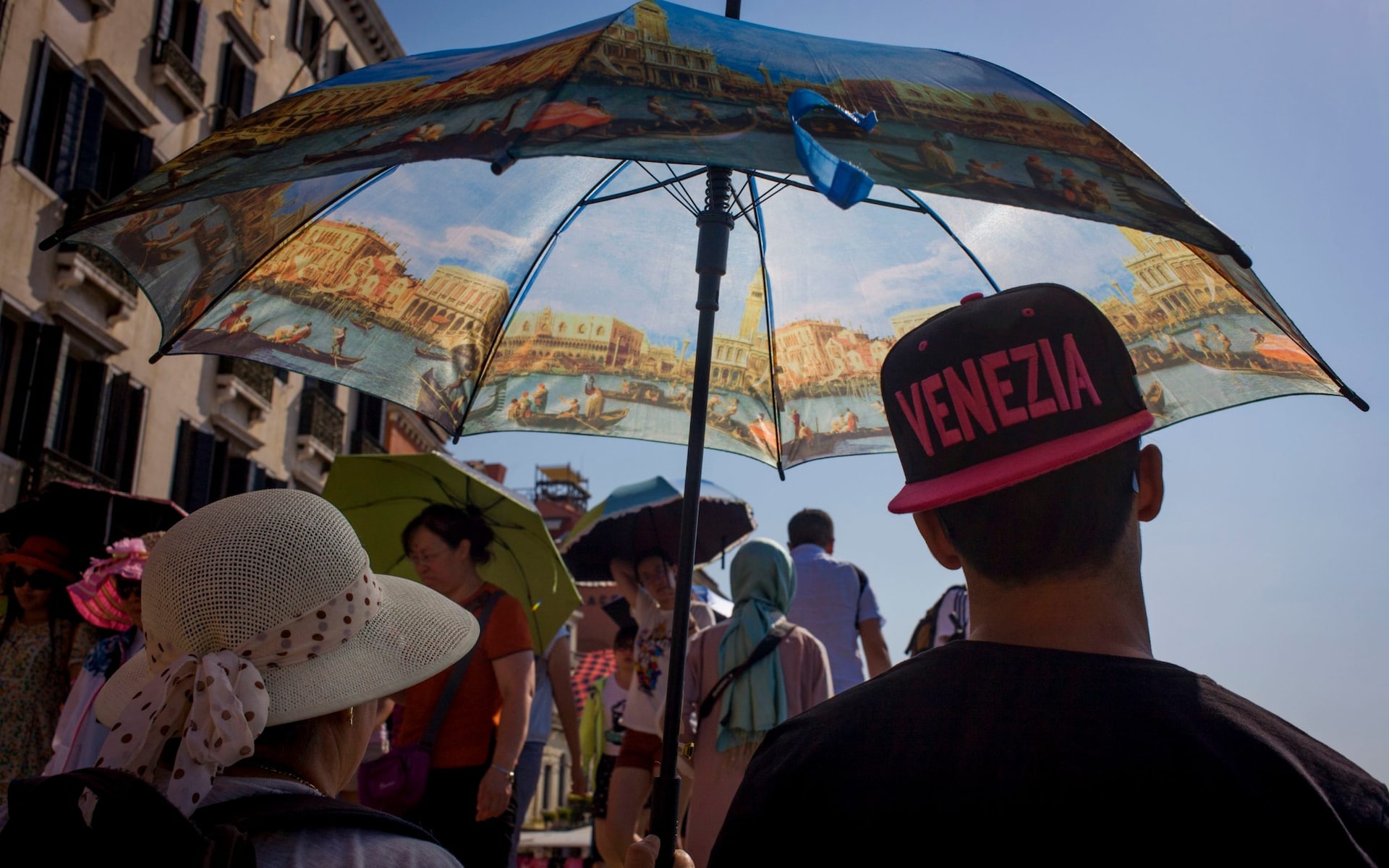
Russian Tourists Return to Europe Amid Ongoing Conflict
Despite the ongoing war in Ukraine, an increasing number of Russian tourists are returning to Europe. France, Italy, and Spain have become popular destinations for these travelers, even though all three countries are members of NATO and the EU and have imposed sanctions on Moscow. This trend has raised concerns among Ukrainian officials and others who worry about the implications of allowing Russian citizens to travel freely within the European Union.
The surge in hotel stays by Russians in Italy and France has increased by more than 19% over the past year. Ukrainian diplomats have called this development “disturbing” and a potential security risk. However, both France and Italy continue to support keeping their borders open to wealthy Russian tourists, arguing that it is important to maintain people-to-people connections and cultural ties.
This trend was revealed through an analysis of data from booking.com, Airbnb, and visa issuance records for the Schengen free-movement zone. Vsevolod Chentsov, Ukraine’s ambassador to the EU, warned that ignoring this return of Russian tourists would be “short-sighted” and dangerous. He emphasized that Russian society overwhelmingly supports the war and often views it as a conflict with the West rather than with Ukraine, where war crimes are being committed on a large scale.
Chentsov also pointed out that Russia has been conducting cyberattacks and acts of sabotage against EU member states, which he sees as part of a broader hybrid war. He argued that allowing Russian citizens to travel freely to Europe undermines European security and sends a confusing message about the values the EU claims to uphold.
Security Concerns and Hybrid Warfare
There have been reports of fires in warehouses linked to Russian logistical supply chains across Europe, including in Britain. Additionally, there have been instances of sabotaged train tracks. While Russian spies posing as diplomats were previously associated with such incidents, since the 2018 poisoning of the Skripals, Moscow has also deployed agents using tourist visas.
Sir William Browder, an American-born English financier turned anti-Putin activist, has urged France, Italy, and Spain to stop issuing visas to Russians unless they can demonstrate opposition to the Putin regime. He believes that allowing wealthy Russians to enjoy the benefits of European travel while supporting the war effort is unacceptable.
European capitals have imposed multiple waves of sanctions on Russia since the 2022 invasion. Both Britain and the EU closed their airspace to Russian airlines, leading to a drop in tourist numbers. However, many Russians still manage to reach Europe via routes through Turkey, Georgia, Serbia, and other countries. For example, a Russian tourist traveling to Rome would need to stop over in Turkey or the UAE before switching flights.
These additional costs make the trip unaffordable for most ordinary Russians, but those who do make it face further challenges due to sanctions, which prevent their bank cards from working. Despite these obstacles, Istanbul’s Ataturk Airport remains a hub for currency exchanges where Russians can swap roubles for euros to fund their trips.
Economic and Moral Dilemmas
Browder argues that Europe should be open to Russian dissidents and opposition figures but should not issue visas to oligarchs or individuals who support the Putin regime. He believes that refusing visas would put pressure on the regime and reduce the security risks posed by Russia's hybrid war against the West.
Jan Lipavsky, the foreign minister of the Czech Republic, criticized EU countries that continue to welcome Russian tourists, calling it a threat to the credibility of sanctions. He argued that some countries are motivated by the economic benefits of Russian tourism, which includes spending on hotels, shopping, and tickets. This, he said, undermines the EU’s stance on the war and sends a conflicting message about its values.
Andrei Soldatov, a Russian investigative journalist, highlighted the importance of visas for dissidents and families wanting to visit them abroad. He noted that finding a safe way to apply for a visa is challenging given the high level of repression in Russia.
Popular Destinations and Travel Trends
Across the EU, visitor numbers are still significantly lower than pre-pandemic levels. However, some countries have seen increases in guest nights booked by Russians. According to Eurostat, Italy saw the largest increase at 18.9%, followed by Spain and France. Hungary also reported a 13% rise in guest nights, reflecting its government’s relatively soft stance on Russia.
The UK, which never joined the Schengen area, has stricter visa requirements for Russians. Visitor numbers have declined slightly, but the country still ranks among the top destinations for Russian tourists. The European Commission has taken steps to reduce visa issuance to Russians, including suspending the Visa Facilitation Agreement and implementing stricter security checks.
Italy and France have led the way in issuing Schengen visas to Russians, with significant increases in numbers compared to previous years. Despite these trends, the EU continues to emphasize the importance of maintaining cultural and people-to-people ties while distinguishing between the Russian regime and its population.

Post a Comment for "Russian Tourists Return to Europe"
Post a Comment