Romanian Presidential Elections: Election Day Coverage
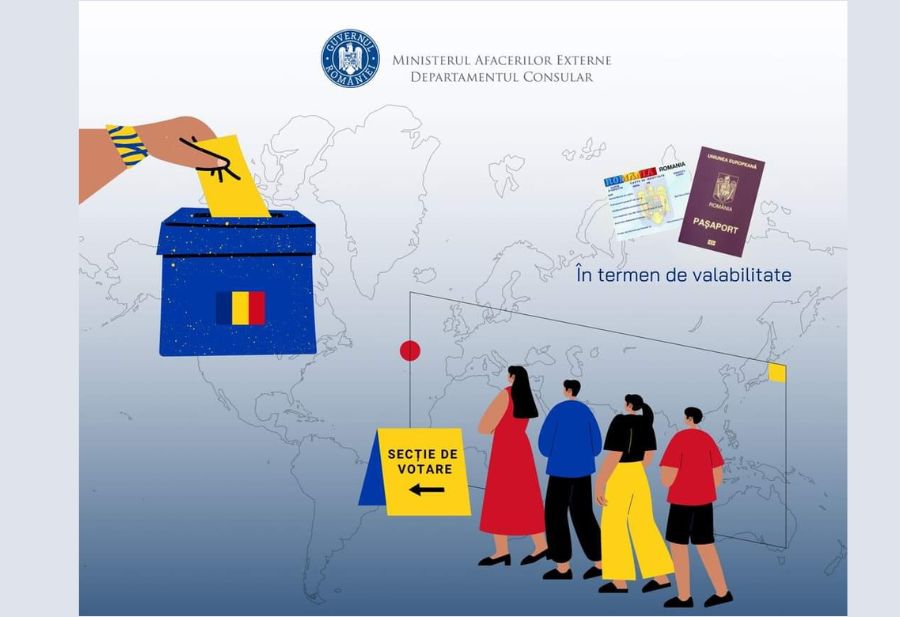
Romania Decides: A Nation Watches Its Presidential Election Unfold
Hey there, fellow news enthusiasts! Ever feel like you're watching a high-stakes drama unfold on TV, but instead of fictional characters, it's real people making decisions that impact, well, everything? That's pretty much what a presidential election feels like, right? It's like the ultimate reality show, only with more policy debates and fewer catfights (hopefully!).
Think of it this way: imagine you're choosing the head chef for your favorite restaurant. This isn't just about who makes the tastiest dish; it's about who can manage the kitchen, handle the pressure, and keep the customers coming back for more. The Romanian Presidential election is similar, but on a national scale. It's about selecting the person who will guide the country through thick and thin, represent its interests on the world stage, and set the tone for the years to come.
Now, let's be honest. Elections can sometimes feel like wading through a swamp of information, misinformation, and plain old political jargon. You might find yourself wondering, "What does all thisreallymean for me?" Or, "Why should I even care?" And that's perfectly valid! With so much going on in the world, it's easy to feel disconnected from the political process.
But here's the thing: the Romanian Presidential election isn't just some abstract event happening "over there." It's a decision that will affect the lives of Romanians, their economy, their relationships with other countries, and even their everyday experiences. From the price of bread to the quality of healthcare, the President's choices have a ripple effect that touches everyone.
Think about it like choosing a new phone. You wouldn't just pick one at random, would you? You'd probably do some research, compare the features, read the reviews, and weigh the pros and cons. Similarly, understanding the candidates, their platforms, and the potential impact of their policies is crucial for making an informed decision (or, at least, for understanding why your Romanian friends are so passionately debating politics!).
So, why is Election Day coverage so important? Because it's the culmination of months of campaigning, debates, and discussions. It's the moment when the Romanian people finally get to make their voices heard and choose their leader. And for those of us watching from afar, it's a chance to witness democracy in action and gain a deeper understanding of the political landscape in Romania. It's a glimpse into the hopes, fears, and aspirations of a nation on the cusp of a new chapter. Plus, let’s be honest, who doesn’t love the nail-biting suspense of watching the results roll in?
But what happens on Election Day itself? How are the votes counted? What are the key issues at stake? And what can we expect in the days and weeks following the election? Stick around, because we're about to dive deep into the heart of the Romanian Presidential election and uncover the answers to these burning questions. Get ready to explore the key players, the crucial moments, and the potential outcomes that will shape the future of Romania. And who knows, you might even learn a thing or two about democracy along the way. So, grab a cup of coffee (or maybe a glass of Romanian wine!), settle in, and let's get started!
Decoding the Romanian Presidential Election: A Comprehensive Guide
Alright, friends, let's break down this Romanian Presidential election like we're dissecting a complicated recipe. We want to understand all the ingredients, the cooking methods, and the final delicious result. Let's tackle this thing together!
1. Understanding the Role of the Romanian President
First things first, let's clarify what the Romanian Presidentactuallydoes. Unlike some countries where the President is primarily a figurehead, the Romanian President has some real power. While Romania is a parliamentary republic (meaning the Prime Minister and Parliament handle most day-to-day governance), the President has significant influence in areas like foreign policy, national security, and the appointment of key officials. The President also acts as a mediator between different branches of government and represents Romania on the international stage. Think of them as the conductor of the orchestra, ensuring everyone plays in harmony (or at least tries to!).
2. The Candidates: Who's in the Running?
Now for the main players! Each Presidential election brings a fresh batch of candidates vying for the top job. It’s crucial to familiarize yourself with who they are, their backgrounds, and what they stand for. Instead of just reading headlines, dig a little deeper. What’s their political history? Which party do they represent? What are their key policy proposals? Don't just listen to what theysay; look at what they'vedone. This is where your inner detective skills come in handy!
3. Key Election Issues:What's at Stake?
Every election revolves around a set of pressing issues that are top-of-mind for voters. In Romania, these often include economic development, healthcare reform, education, combating corruption, and foreign policy. Understanding these issues is key to understanding the election itself. Are Romanians worried about rising inflation? Are they concerned about the quality of their healthcare system? Are they eager for closer ties with the European Union? The answers to these questions will shape the election debate and ultimately influence the outcome. It’s like knowing the stakes in a poker game. You need to know what people are fighting for to understand their moves.
4. The Voting Process: How Does it Work?
Alright, let’s get down to the nitty-gritty of how the election actually works. Romania uses a two-round system. If no candidate wins a majority of the votes in the first round, the top two candidates face off in a second round a few weeks later. This ensures that the eventual winner has the support of a majority of voters. Polling stations are typically open for a set number of hours on Election Day, and eligible voters can cast their ballots in person. It's a well-established process designed to be fair and transparent.
5. Election Day Coverage: What to Expect
Election Day is a whirlwind of activity. News outlets provide constant updates on voter turnout, potential irregularities, and of course, the initial results as they start to trickle in. Expect to see lots of maps, charts, and graphs as commentators try to predict the outcome. It's like watching a horse race, only with political careers on the line. Don’t be surprised by exit polls either; these are surveys conducted outside polling stations to get a sense of how people voted. Remember though, they are only estimates and not always accurate.
6. Post-Election Analysis: What Happens Next?
Once the votes are counted and the winner is declared, the real work begins. The President-elect typically gives a victory speech, outlining their vision for the country. Then comes the transition period, where the new administration prepares to take office. This involves appointing key personnel, developing policy agendas, and getting ready to govern. The post-election period is also a time for reflection and analysis. Experts will dissect the results, examine the reasons behind the outcome, and assess the implications for the future. It’s like the post-game show after the Super Bowl, except instead of analyzing touchdowns, they’re analyzing political strategies.
7. The Role of International Observers
To ensure fairness and transparency, international observers often monitor Romanian Presidential elections. These observers come from organizations like the OSCE (Organization for Security and Co-operation in Europe) and the European Union. They observe the voting process, monitor media coverage, and assess whether the election meets international standards. Their presence helps to build confidence in the electoral process and deter any potential fraud or irregularities. Think of them as the referees, ensuring everyone plays by the rules.
8. The Impact on Romania's International Relations
The Romanian Presidential election can have a significant impact on the country's relations with other nations. The President plays a key role in shaping foreign policy and representing Romania on the world stage. Depending on the winner and their policy priorities, Romania's relationships with the European Union, the United States, and other countries could shift. It's like choosing a new spokesperson for your company; their words and actions will influence how others perceive you.
9. Staying Informed: Reliable Sources of Information
In today's world of information overload, it's crucial to rely on credible sources of information. Look to reputable news organizations, academic institutions, and non-partisan research groups for accurate and unbiased reporting. Be wary of social media rumors and unverified claims. Do your own research and think critically about the information you encounter. It’s like choosing your travel guide; you want someone who knows the territory and can provide reliable advice.
10. Why It Matters to You (Even If You're Not Romanian)
Even if you don't live in Romania, the Presidential election can still be relevant to you. Romania is a member of the European Union and a key player in regional security. Its political stability and economic development have implications for the entire continent. Understanding the dynamics of Romanian politics can provide valuable insights into broader European trends. Plus, let's be honest, staying informed about global events is just a good thing to do! It’s like understanding the weather patterns in different parts of the world. Even if you don’t live there, it can affect global trade, travel, and even climate change.
Frequently Asked Questions About the Romanian Presidential Election
Alright, let's tackle some common questions that might be swirling around in your head. Think of this as your personal election FAQ!
1. What are the main powers of the Romanian President?
The Romanian President isn't just a figurehead. They have significant powers in areas like foreign policy, national security, and the appointment of certain officials. They also act as a mediator between different branches of government and represent Romania internationally. They are a key player in shaping the country's overall direction.
2. How does the Romanian Presidential election work?
Romania uses a two-round system. If no candidate wins a majority of the votes in the first round, the top two candidates face off in a second round. This ensures that the winner has the support of a majority of voters.
3. Where can I find reliable information about the election?
Stick to reputable news organizations, academic institutions, and non-partisan research groups for accurate and unbiased reporting. Be cautious of social media rumors and unverified claims. Cross-reference your information and think critically about what you read.
4. Why should I care about the Romanian Presidential election if I'm not Romanian?
Romania is a member of the European Union and a key player in regional security. Its political stability and economic development have implications for the entire continent. Understanding Romanian politics can provide valuable insights into broader European trends. Plus, staying informed about global events is always a good idea!
Wrapping Up: The Future of Romania and the Power of Democracy
Well, friends, we've reached the end of our journey through the Romanian Presidential election. We've explored the key players, the pressing issues, and the potential outcomes that will shape the future of Romania. Hopefully, you now have a better understanding of the election process and its importance, not just for Romanians but for the world at large.
The Romanian Presidential election is more than just a political event; it's a testament to the power of democracy and the right of people to choose their own leaders. It's a reminder that every vote counts and that even small nations can have a big impact on the world stage.
Now, here's your call to action: don't just passively observe the world around you. Engage with it! Stay informed about current events, participate in political discussions, and make your voice heard. Whether you're Romanian or not, you can play a role in shaping the future. So, let’s make the world a better place!
Remember, democracy is not a spectator sport. It requires active participation, critical thinking, and a willingness to engage with different perspectives. It's not always easy, but it's always worth it. So, go forth, be informed, be engaged, and be a force for positive change. And hey, maybe even consider learning a little Romanian – you never know when it might come in handy!

Post a Comment for "Romanian Presidential Elections: Election Day Coverage"
Post a Comment