Romanian Presidential Elections: Election Day Coverage
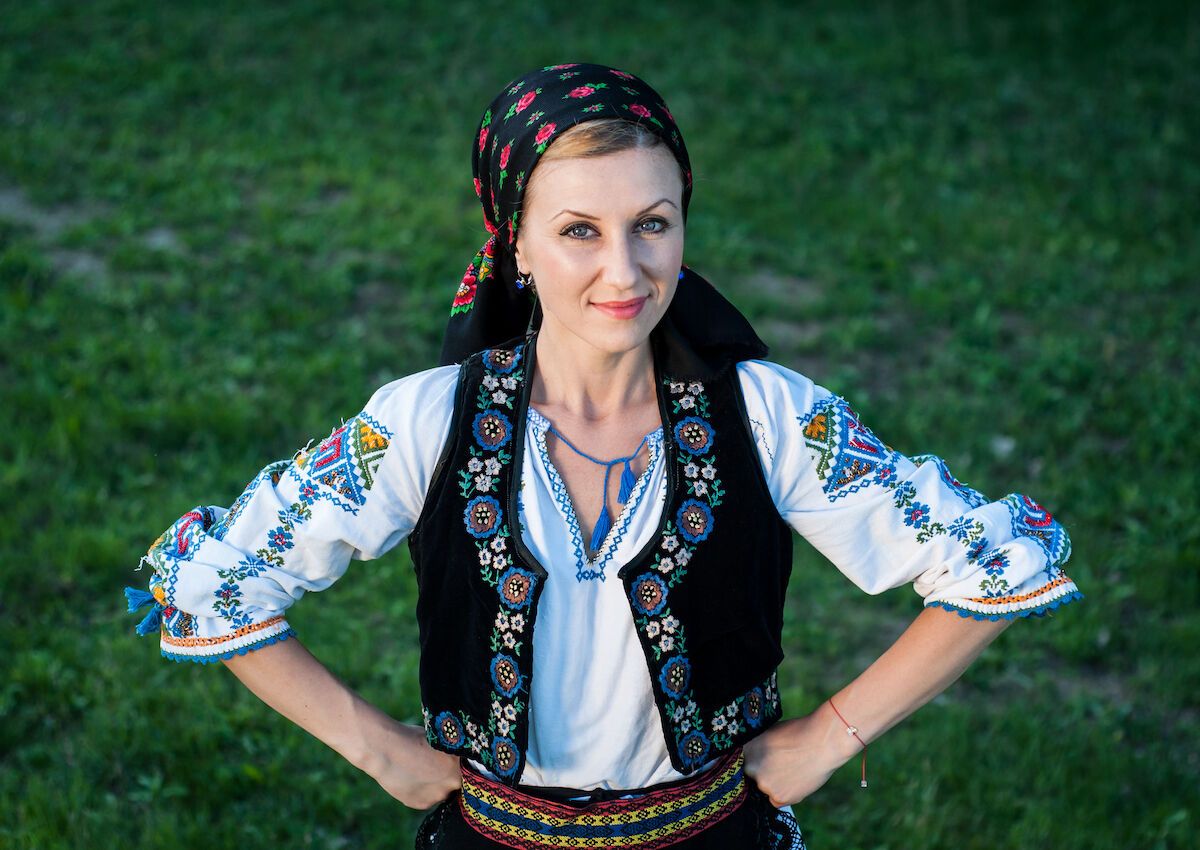
Romanian Presidential Elections: A Nation Decides.
Alright, friends, buckle up! Ever felt like you're watching a really important sports game, but instead of touchdowns and home runs, it's about the future of a country? That's pretty much what a presidential election feels like, especially in a place as vibrant and historically rich as Romania. It's not just about picking a name on a ballot; it's about choosing the direction the country will take, the values it will uphold, and the promises it will strive to fulfill.
And let's be honest, election day itself can feel like the climax of a really long movie – all the campaigning, the debates, the promises...it all boils down to this one day. It's a day filled with anticipation, anxiety, and maybe even a little bit of hope. People are glued to their TVs, refreshing news websites every five seconds, waiting for the first results to trickle in. It's a shared experience, a moment of collective decision-making that binds a nation together.
But whatreallygoes on behind the scenes on election day? How do Romanians navigate the voting process? What are the key issues driving voters to the polls? And how do the media and international observers play their roles in ensuring a fair and transparent election? That's what we're diving into today. We're not just going to scratch the surface; we're going to delve deep into the heart of Romanian presidential elections, exploring the nuances, the challenges, and the ultimate significance of this pivotal moment in the nation's history. So, grab a virtualcafea, settle in, and let's explore the fascinating world of Romanian presidential elections together! What secrets and surprises does election day hold? Let's find out!
The Stakes: What’s at Play in Romania's Presidential Race?
The Romanian Presidential Elections aren't just about choosing a president; they're about deciding the future of a nation. Think of it like choosing a captain for a ship – the captain sets the course, steers through storms, and ultimately determines where the ship ends up. In this case, the "ship" is Romania, and the "captain" is the president.
The president of Romania has significant powers and responsibilities. They are the head of state, responsible for representing Romania both domestically and internationally. They also play a crucial role in foreign policy, national security, and can even mediate between different branches of government. In short, the president is a key player in shaping the country's direction.
But what specific issues are Romanians concerned about? Well, just like in any country, there's a whole laundry list of priorities. Economic growth is always a big one – people want to see their living standards improve, and they want opportunities for themselves and their families. Corruption is another major concern; Romanians are tired of seeing public resources wasted and trust in government eroded. Healthcare, education, and social welfare are also critical issues that voters care deeply about.
And then there's Romania's place in the world. As a member of the European Union and NATO, Romania plays an important role in regional and international affairs. The president's foreign policy decisions can have a significant impact on Romania's relationships with other countries and its ability to influence global events.
So, when Romanians head to the polls, they're not just thinking about who would look good in a suit. They're considering who has the vision, the experience, and the integrity to tackle these challenges and lead Romania forward. It's a weighty decision, and one that will shape the country's future for years to come. The Romanian Presidential Elections are a battleground of ideas, a clash of visions, and a crucial moment for the nation to decide what kind of future it wants to build. What factors are influencing voters' decisions this election cycle? That's what we'll explore next.
Key Players: The Candidates and Their Platforms
In any election, the candidates are the stars of the show. They're the ones vying for the top job, trying to convince voters that they have what it takes to lead the country. And in the Romanian Presidential Elections, the candidates come from all walks of life, representing a diverse range of political ideologies and policy platforms.
It's important to understand who these candidates are, what they stand for, and what they promise to do if elected. This isn't about blindly following a party line; it's about making an informed decision based on your own values and priorities.
The Incumbent: Often, the incumbent president runs for re-election, hoping to secure another term in office. Incumbents have the advantage of experience and name recognition, but they also have a track record that voters can evaluate. Do they deserve another chance? Have they delivered on their promises?
The Challengers: Then there are the challengers – the candidates who are trying to unseat the incumbent and offer a different vision for the country. Challengers often come from opposition parties, and they try to capitalize on voters' dissatisfaction with the status quo. They might promise to shake things up, introduce new policies, or address issues that the incumbent has neglected.
Each candidate typically has a specific platform, which outlines their key policy proposals and priorities. This is their roadmap for the country, their vision for how they plan to address the challenges and opportunities that lie ahead.
It's up to voters to carefully examine these platforms, compare the candidates' qualifications and experience, and decide who they believe is best suited to lead Romania. It's not always an easy choice, but it's a crucial one for the future of the country. Remember, the president's decisions will affect everyone, from students to seniors, from business owners to farmers. The Romanian Presidential Elections are an opportunity to choose a leader who will represent your interests and fight for your future. What role do political parties play in shaping the election landscape? Let's delve into that next.
The Electoral Process: How Romanians Vote
The electoral process, while seemingly straightforward, is the backbone of any democratic election, including the Romanian Presidential Elections. It's not just about marking a ballot; it's about ensuring that every citizen has the opportunity to participate in shaping their country's future.
Here's a breakdown of how the electoral process typically works in Romania: Voter Registration:The first step is ensuring that you're registered to vote. This usually involves providing proof of identity and residency, allowing election officials to verify your eligibility. Voter registration is crucial because it prevents fraud and ensures that only eligible citizens can cast their ballots.
Polling Stations: On election day, polling stations are set up across the country, usually in public buildings like schools and community centers. These polling stations are staffed by election officials who are responsible for overseeing the voting process and ensuring that everything runs smoothly.
Casting Your Ballot: When you arrive at the polling station, you'll need to present your ID to the election officials. They'll check your name against the voter registry and provide you with a ballot. The ballot will list the names of the candidates, and you'll need to mark your choice according to the instructions.
Secret Ballot: The voting process is designed to be secret and confidential. You'll usually cast your ballot in a private booth, ensuring that no one can see how you're voting. This protects your right to vote freely and without coercion.
Ballot Counting: After the polls close, the election officials begin the process of counting the ballots. This is a meticulous and transparent process, usually overseen by representatives from different political parties to ensure fairness. The results are then tallied and reported to the central election commission.
Ensuring Transparency: Transparency and fairness are paramount in any election. International observers and domestic monitors often play a role in observing the electoral process, ensuring that everything is conducted in accordance with the law and that there are no irregularities or fraud.
Understanding the electoral process is crucial for every citizen. It's your right and your responsibility to participate in the democratic process and make your voice heard. By understanding how the system works, you can be confident that your vote counts and that the election is conducted fairly and transparently. How does the media shape public opinion during the election? That's what we'll explore in the next section.
Media's Role: Shaping the Narrative
The media plays a colossal role in shaping public opinion during any election cycle. It's the primary source of information for most voters, and it has the power to influence how people perceive the candidates, the issues, and the overall election landscape.
Here's how the media typically influences the narrative during the Romanian Presidential Elections: Reporting the News:The most basic role of the media is to report the news. This includes covering campaign events, reporting on the candidates' policy positions, and analyzing the latest developments in the race. The media's choice of what to cover and how to cover it can have a significant impact on public opinion.
Conducting Interviews: The media also conducts interviews with the candidates, giving them the opportunity to explain their positions and answer questions from journalists. These interviews can be crucial moments in the campaign, allowing voters to see the candidates up close and evaluate their personalities and competence.
Debates and Town Halls: Televised debates and town hall meetings are often organized by the media, providing a platform for the candidates to directly engage with each other and with the public. These events can be highly influential, as voters get to see the candidates interact and debate the issues in real-time.
Opinion Polls: The media frequently conducts and reports on opinion polls, providing a snapshot of how the candidates are performing in the race. While polls can be informative, it's important to remember that they are just a snapshot in time and can be influenced by a variety of factors.
Fact-Checking: In recent years, the media has also taken on the role of fact-checking, scrutinizing the claims made by the candidates and holding them accountable for their accuracy. This is especially important in an era of misinformation and fake news.
The media's role in shaping the narrative is not without its challenges. Bias, sensationalism, and the spread of misinformation can all distort the public's perception of the election. It's important for voters to be critical consumers of media, seeking out diverse sources of information and evaluating the credibility of the sources they rely on. The Romanian Presidential Elections are a battle for hearts and minds, and the media plays a central role in shaping the outcome. What are some of the challenges facing the Romanian electoral system? Let's take a look.
Challenges and Controversies
Elections, even in well-established democracies, aren't always smooth sailing. The Romanian Presidential Elections are no exception, and they often face a number of challenges and controversies that can test the integrity and fairness of the process.
Here are some of the common challenges and controversies that have arisen in past Romanian Presidential Elections: Voter Turnout:One of the biggest challenges is low voter turnout. When a large percentage of eligible voters don't participate, it raises questions about the legitimacy of the election and whether the results truly reflect the will of the people. Factors like apathy, disillusionment with politics, and logistical barriers can all contribute to low voter turnout.
Voter Fraud: While rare, allegations of voter fraud can undermine public trust in the electoral process. This can include things like ballot stuffing, double voting, and manipulation of voter registration lists. Even if these allegations are ultimately proven false, they can still cast a shadow over the election.
Campaign Finance: The issue of campaign finance is always a sensitive one. Concerns can arise about whether candidates are receiving illegal or unethical donations, and whether wealthy donors are exerting undue influence on the political process.
Media Bias: As discussed earlier, media bias can be a significant challenge. If the media is perceived as favoring one candidate or party over another, it can distort the public's perception of the election and undermine trust in the media.
Foreign Interference: In recent years, concerns have grown about the potential for foreign interference in elections. This can include things like spreading disinformation, hacking voting systems, and attempting to influence public opinion through social media.
These challenges and controversies highlight the importance of vigilance and transparency in the electoral process. Election officials, political parties, the media, and civil society organizations all have a role to play in ensuring that the Romanian Presidential Elections are conducted fairly and transparently, and that the results accurately reflect the will of the Romanian people. What are the international perspectives on the Romanian elections? We'll explore that next.
International Perspectives: How the World Views Romania's Elections
Romania's Presidential Elections aren't just a domestic affair; they also attract attention from the international community. Other countries, international organizations, and foreign media outlets closely monitor the elections, often sending observers to ensure that the process is fair and transparent.
Here's why the international community cares about Romania's elections: Regional Stability:Romania is a key player in the region, and its political stability is important for the overall stability of the Balkans and Eastern Europe. A peaceful and democratic transfer of power in Romania sends a positive signal to the region and reinforces the importance of democratic values.
EU Membership: As a member of the European Union, Romania is expected to uphold democratic standards and the rule of law. The EU closely monitors Romania's elections to ensure that they are conducted in accordance with these standards.
NATO Alliance: Romania is also a member of NATO, and its commitment to democratic principles is important for maintaining the strength and unity of the alliance. NATO allies want to see that Romania is a reliable and responsible partner.
International Reputation: The way Romania conducts its elections can have a significant impact on its international reputation. Free and fair elections enhance Romania's standing in the world and make it a more attractive partner for trade, investment, and diplomacy.
International observers from organizations like the OSCE (Organization for Security and Co-operation in Europe) play a key role in monitoring the elections. They observe the voting process, talk to election officials and voters, and issue reports on their findings. Their reports can help to identify any shortcomings in the electoral process and recommend improvements.
The international community's interest in Romania's elections reflects the importance of democratic values and the need for free and fair elections around the world. When Romania upholds these values, it strengthens its own democracy and contributes to the global effort to promote democracy and human rights. What canweexpect on election day? Let’s explore.
Election Day: A Nation Decides
Election day in Romania is more than just a date on the calendar; it's a day of national significance, a moment when the power to shape the country's future lies in the hands of its citizens. It's a day filled with anticipation, hope, and sometimes, a little bit of anxiety.
On election day, polling stations across the country open their doors, welcoming voters to cast their ballots. People from all walks of life line up to exercise their right to vote, united by a common purpose: to choose the leader who they believe will best represent their interests and guide the country forward.
The atmosphere on election day is often charged with emotion. There's a sense of civic duty, a feeling that everyone is participating in something important. People wear theirtricolore(the Romanian flag) with pride, and there's a buzz in the air as people discuss the candidates and the issues.
Throughout the day, the media provides constant updates on voter turnout, reports on any irregularities or incidents, and interviews with voters and candidates. Social media also plays a role, with people sharing their thoughts and feelings about the election.
As the polls close and the ballots are counted, the tension mounts. The first results begin to trickle in, and the nation holds its breath, waiting to see who will emerge victorious. The outcome of the election will have a profound impact on Romania's future, and everyone is eager to know what that future will look like.
Election day is a reminder that democracy is not a spectator sport. It requires active participation from citizens, and it's a responsibility that should be taken seriously. By casting their ballots, Romanians are exercising their right to shape their country's destiny and to contribute to a brighter future for themselves and for generations to come. What happens after the votes are tallied? We will explore this in the next section.
After the Vote: The Transition and What Comes Next
Once the votes are tallied and the winner of the Romanian Presidential Elections is declared, the focus shifts to the transition period and what comes next. This is a crucial time for ensuring a smooth transfer of power and for setting the stage for the new president's term in office.
Here's what typically happens after the vote: Official Announcement:The central election commission officially announces the results of the election, confirming the winner and the vote tallies. This announcement is usually followed by congratulatory messages from other candidates and political leaders.
Legal Challenges: In some cases, the results of the election may be challenged in court. This can happen if there are allegations of voter fraud or irregularities in the voting process. The courts will then review the evidence and make a decision on whether to uphold the results or order a new election.
Transition Period: After the election is certified, there's usually a transition period before the new president takes office. During this time, the outgoing president works with the incoming president to ensure a smooth transfer of power. This includes briefing the new president on key policy issues, providing access to government resources, and helping to assemble a new administration.
Inauguration: The new president is formally inaugurated in a ceremony that marks the beginning of their term in office. This ceremony is usually attended by dignitaries from around the world, and it symbolizes the peaceful transfer of power.
Setting the Agenda: Once in office, the new president begins the process of setting the agenda for their term. This includes outlining their policy priorities, appointing cabinet members, and working with parliament to pass legislation.
The transition period is a time of both continuity and change. While the new president will likely bring their own vision and priorities to the job, they must also respect the institutions and traditions of the Romanian government. By working together in a spirit of cooperation, the outgoing and incoming presidents can ensure a smooth transition and set the stage for a successful new chapter in Romania's history. The Romanian Presidential Elections are not just an end; they're also a beginning, a chance for the country to renew itself and to chart a course for a brighter future.
In essence, the Romanian Presidential Elections are more than just a political event; they are a reflection of the nation's values, aspirations, and commitment to democracy. The process, from the initial campaigns to the final vote and the subsequent transition, is a testament to the power of the people to shape their own destiny. The media, the candidates, the international observers, and every single voter play a crucial role in ensuring that the elections are free, fair, and transparent.
Now that we have journeyed through the intricacies of the Romanian Presidential Elections, including the high stakes, the key players, the electoral process, the role of the media, potential challenges, international perspectives, election day, and the transition that follows, the hope is that you have gained a deeper understanding of the significance of this democratic event. Hopefully, you are ready to further explore this and other interesting topics.
So, what's next? Take a moment to share this article with your friends and family to foster informed discussions about democracy and the importance of civic participation. Together, we can contribute to a more engaged and enlightened society. What other aspects of democracy are you curious about?

Post a Comment for "Romanian Presidential Elections: Election Day Coverage"
Post a Comment