Rivian Fixes Navigation Issues with Custom Google Maps
A New Approach to In-Dash Navigation
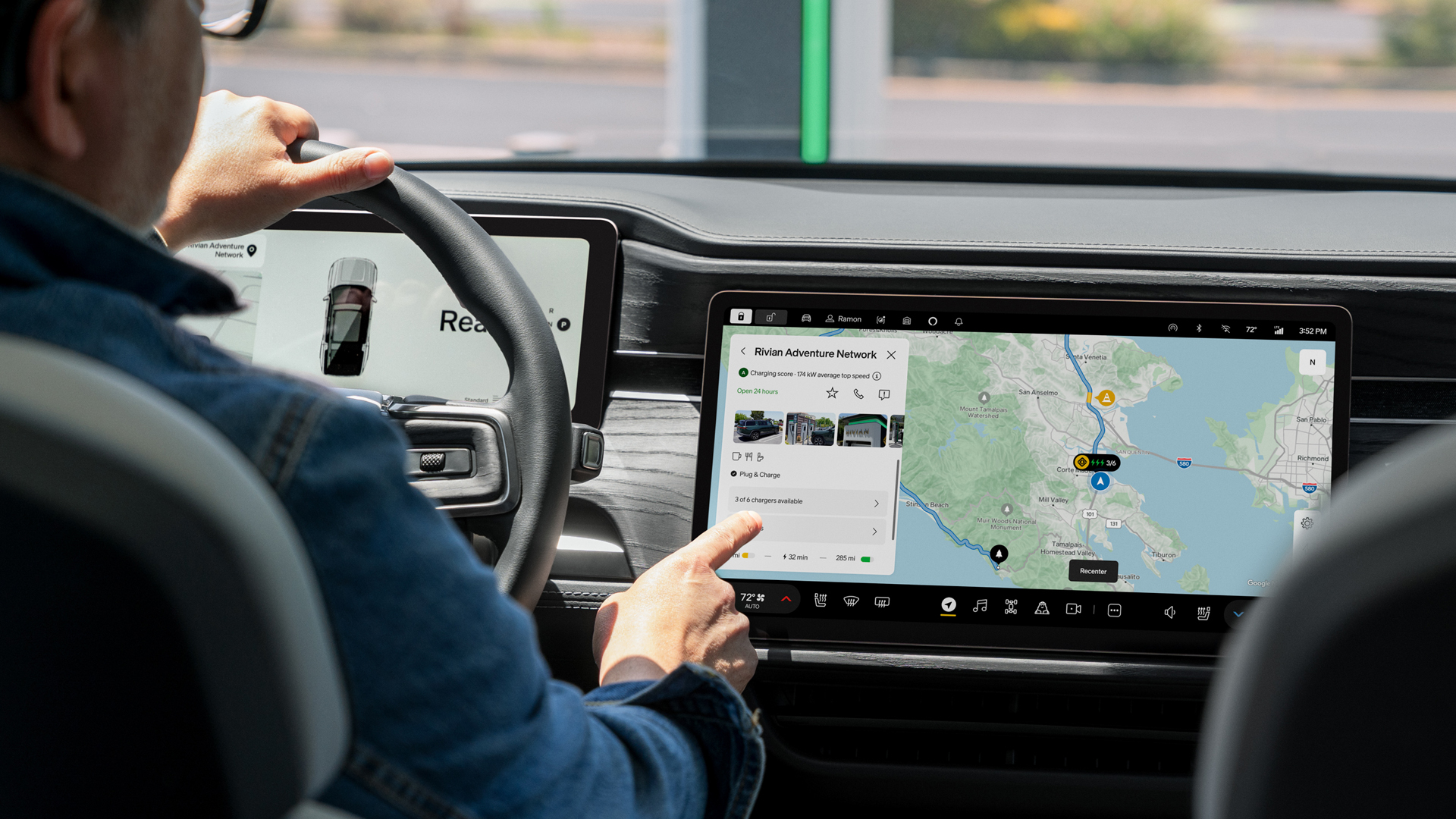
Since the introduction of Android Auto and Apple CarPlay, there has been a growing tension between car manufacturers and software companies over who controls the in-dash navigation and entertainment systems. Today, Rivian is taking a unique approach by integrating Google Maps into its vehicles while adding a custom design tailored specifically for electric vehicles.
Rivian’s previous native navigation system has faced criticism from users, with several complaints appearing on platforms like Reddit. This new update, called Rivian Navigation with Google Maps, aims to address these concerns by combining Google Maps’ core functionality with Rivian's own features and design elements.
According to Rivian’s public relations team:
“…we are utilizing the Automotive SDK [Software Development Kit] from Google Maps, which gives manufacturers like Rivian the freedom to build a custom navigation system on top of foundational Google Maps technology and information. It brings together the best of both worlds: over two decades of navigation expertise from Google Maps—and the custom design and EV-friendly navigation features from Rivian that owners love.”
Enhanced Features for Electric Vehicles
Rivian has introduced several EV-specific features to its new navigation system, as outlined in a blog post:
-
Range on Arrival: This feature provides accurate range estimates based on the vehicle’s specific conditions, such as the use of accessories or trailers. Users can choose to view their range in percentage, distance, or both.
-
Charging Stops and Preferences: Rivian curates charging stops for trips, ensuring faster travel times and access to better chargers. It also allows users to set preferences based on their needs, such as range on arrival and charging networks.
-
Charging Information: Real-time data on compatible charging networks, including the Rivian Adventure Network and Tesla Superchargers, is available to users.
-
Charging Score: Rivian assigns a score to individual charging sites based on plug-in data from its vehicles. This score helps users identify reliable charging locations and automatically includes top-scoring chargers in trip planning.
These features are also accessible through Rivian’s mobile app. The app now includes enhanced trip-planning capabilities, such as place photos, descriptions, satellite views, and traffic updates. However, some of these advanced features require a subscription to Rivian’s Connect+ program, which costs $15 per month or $150 per year.
Voice Control and Future Developments
Interestingly, the new Rivian Navigation with Google Maps does not include Google Built-In or voice control features at this time. This is somewhat surprising given Google’s recent focus on voice-activated technologies like Gemini. According to Wassym Bensaid, Rivian’s Chief Software Officer, the company is actively working on a comprehensive in-vehicle voice assistant that will support navigation and other functions.
The new navigation system is being rolled out via an over-the-air update for all gen-one and gen-two R1T pickups and R1S SUVs starting today.
A Unique Strategy in Automotive Software
At first glance, “Rivian running Google Maps with a slightly different look” may not seem groundbreaking. However, this development represents a significant shift in how automotive software is designed and implemented.
In the early 2000s, in-dash navigation systems became mainstream, with most vehicles relying solely on manufacturer-designed interfaces. The introduction of Android Auto and Apple CarPlay changed this dynamic, allowing third-party apps to play a major role in car interiors.
Different automakers have responded in various ways. Some, like GM, have banned Apple CarPlay, while others are exploring more integrated solutions. For example, iOS 26 will offer a comprehensive dashboard takeover on certain vehicles. Meanwhile, companies like BMW have emphasized the ability to run popular apps like Spotify natively within their UI. Google Earth is also featured prominently in some Audis.
Rivian’s approach of using Google Maps with a custom skin is a fresh take on this evolving landscape. It allows the automaker to maintain control over the user interface while leveraging the robust functionality of Google Maps. It will be interesting to see if other manufacturers follow suit in the future.

Post a Comment for "Rivian Fixes Navigation Issues with Custom Google Maps"
Post a Comment