Rising Climate Threats to Child Health: Deadly Diarrhea Cases Expected to Increase
The Growing Threat of Diarrhea in the Context of Climate Change
Diarrhea remains a significant health challenge for young children, particularly in developing regions. New research highlights how climate change is expected to exacerbate this issue, making it even more critical to address the underlying factors that contribute to the disease.
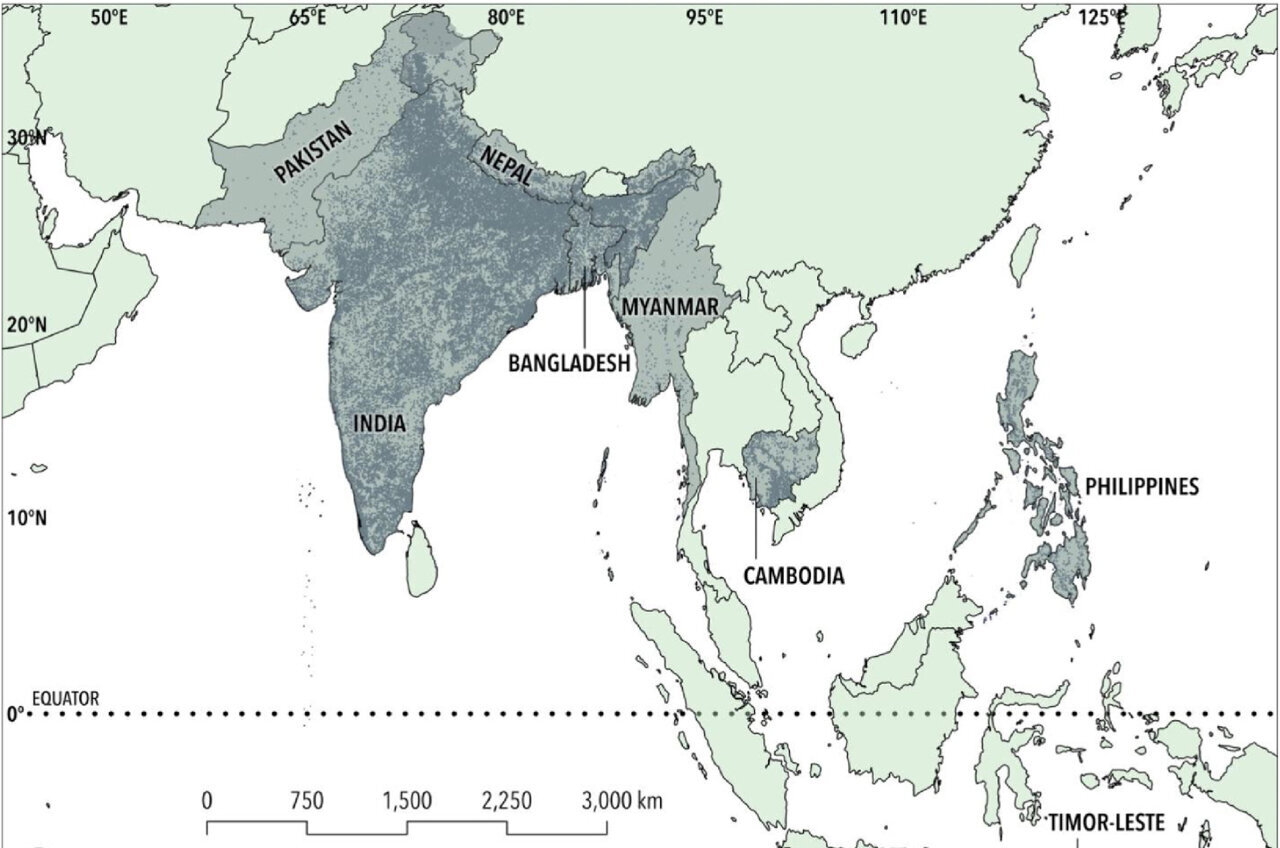
This study, published in the journal Environmental Research, represents one of the first large-scale investigations into how long-term climate, socio-economic, and maternal and child health factors interact to influence the risk of diarrhea. The findings reveal that rising temperatures and drier rainy seasons—both linked to climate change—are likely to increase the incidence of diarrheal diseases across South and Southeast Asia, putting millions of children at risk.
Although preventable and treatable, diarrhea continues to claim the lives of hundreds of thousands of children annually, especially in low- and middle-income countries. Implementing known strategies to limit the spread of infections can help counter the anticipated rise in mortality due to climate change.
Key Findings from the Study
Led by Dr. Hira Fatima, formerly of Flinders University, the research team included experts such as Prof. Corey Bradshaw from Flinders University, Dr. Melinda Judge, and Prof. Peter Le Souef from The Kids Research Institute Australia and the University of Western Australia. They analyzed data from over 3 million children across eight Asian countries, identifying temperature extremes and decreasing rainfall as the primary climate-related drivers of increased diarrhea risk.
Dr. Fatima emphasized that maternal education on hygiene practices, breastfeeding, and symptom recognition are crucial for reducing the prevalence of diarrhea among children in South and Southeast Asia. She noted that children whose mothers had less than eight years of schooling were at an 18% higher risk of developing the disease. This underscores the importance of investing in maternal education as a powerful and scalable strategy for climate adaptation.
"Education is not only a United Nations Sustainable Development Goal but also a vital tool for climate adaptation," said Dr. Fatima. "It must be central to climate-health policies, especially in densely populated, high-risk areas."
Climate Factors and Health Risks
Professor Corey Bradshaw highlighted that temperature fluctuations between 30 to 40°C increased the risk of diarrhea by 39%, while drier rainy seasons raised the risk by 29%. He stressed the need for climate-related health policies to protect children under five from these growing risks.
He also pointed out that around 88% of diarrheal deaths are linked to unsafe drinking water and related causes. Improving access to clean water can reduce the risk of diarrhea by 52%, and better sanitation facilities can lower the risk by 24%. Poverty plays a significant role in increasing the risk of diarrhea, as it limits access to nutritious food, clean water, and healthcare, creating environments where pathogens thrive.
Recent research has shown that droughts in East Asia will intensify based on historical monsoon records. This new study warns that the intensified impacts of climate change will lead to increased cases of childhood diarrhea and associated health issues in Asia.
Strategies for Resilience
To build resilience against the growing effects of climate change, the researchers recommend that governments prioritize expanding access to maternal education through child health programs. Additionally, they emphasize the importance of investing in safe water systems and addressing overcrowding through improved housing and infrastructure policies.
Dr. Melinda Judge noted that despite contributing the least to climate change, low- and middle-income countries will continue to face a greater burden of childhood diarrhea due to its effects. Specific child health impacts caused by climate change must be acknowledged and addressed.
Professor Peter Le Souëf added that as climate change accelerates, child health outcomes will worsen unless measures are taken to counter the predicted rise in diarrhea cases. His warning underscores the urgency of implementing effective interventions to protect vulnerable populations.
Conclusion
The findings of this study highlight the urgent need for coordinated efforts to address the intersection of climate change and public health. By focusing on education, water access, and sanitation, communities can better protect children from the growing threat of diarrhea. These actions are essential not only for improving child health but also for building resilient societies in the face of a changing climate.

Post a Comment for "Rising Climate Threats to Child Health: Deadly Diarrhea Cases Expected to Increase"
Post a Comment