Recommended Timeline Suggests Controversial Transmission Line Won't Be Built Soon
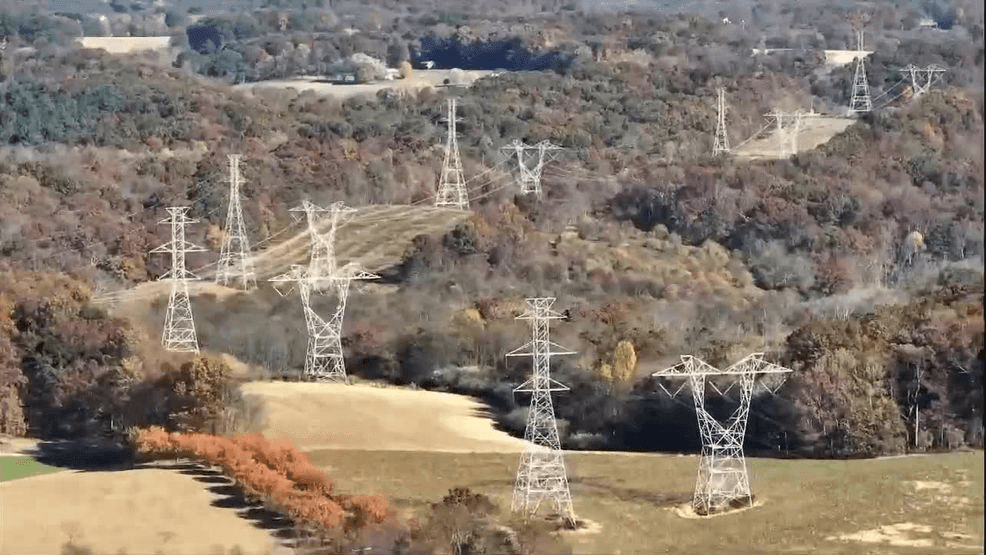
Key Details of the Transmission Project Timeline
As developers behind a 67-mile transmission project work to secure state approval, the Maryland Public Service Commission (PSC) has outlined a proposed timeline for the proceedings. This timeline provides insight into how long the approval process could take and when a final decision might be reached.
The PSC staff is currently recommending that the official decision on the project be made by March 2027. This recommendation still needs to be approved by the commissioners. Originally, the developers, known as the Public Service Enterprise Group (PSEG), had hoped for a decision by March 2026, which would have allowed the project to begin construction in early 2027 and be completed by June 2027. However, given that construction is expected to take between 15 to 18 months, the revised timeline suggests the project would not be completed until mid-2028 at the earliest.
Jenny Teeter, a landowner in Carroll County and a vocal participant in the process, expressed relief at the new timeline. She noted that the schedule allows sufficient time for the process and public involvement. "It's reassuring to see his staff recommending this schedule that really is very purposeful in terms of allowing time for the process and for the public involvement," she said. "You know, maybe we can take a little bit of a breath now," she added.
PSEG has emphasized the urgency of the project, citing concerns over grid reliability and the potential for brownouts or blackouts if the transmission line is not built. The company argues that the project is necessary to prevent power shortages by June 2027. However, opponents have raised doubts about the project’s necessity, suggesting it primarily benefits data centers in Northern Virginia.
"If PJM's contention that we will be having blackouts and brownouts by June of 2027 doesn't really happen in June of 2027, then it also really calls into question the purpose for the whole project," Teeter said, highlighting the skepticism surrounding the project's goals.
The PSC staff has supported the timeline proposed by the Power Plant Research Group (PPRG), another state agency involved in the approval process. According to the PSC, PPRG's proposal is considered more realistic, taking into account all the issues that need to be addressed during the proceedings.
If the timeline is approved, PSEG would be required to submit data from land surveys, which have just begun, by this winter into next spring. Hearings would start in September 2026, with additional testimony heard in October and November 2026. Evidentiary hearings would follow in December 2026, leading to a final decision by March 2027.
While the exact date for the commissioners’ determination on the schedule remains unclear, a spokesperson indicated that a decision is expected soon. Earlier in January, PSC Chair Fred Hoover criticized PSEG’s original timeline, calling it unrealistic. During a town hall event, he stated, “Even if everybody agreed that this was a good idea, it’s not a short process. It’s a very long process. I think the expectation that the company has put in the applications is not realistic.”
PSEG has acknowledged the PSC's recommended timeline but has not provided further comments at this time. When asked about the completion of environmental surveys, a spokesperson stated, "Due to the ongoing litigation to gain additional Rights of Entry, as well as other factors, we cannot project a completion date for the surveys." This highlights the challenges faced by the developers in moving forward with the project.

Post a Comment for "Recommended Timeline Suggests Controversial Transmission Line Won't Be Built Soon"
Post a Comment