Pack Runs: More Than Just for Wolves Now
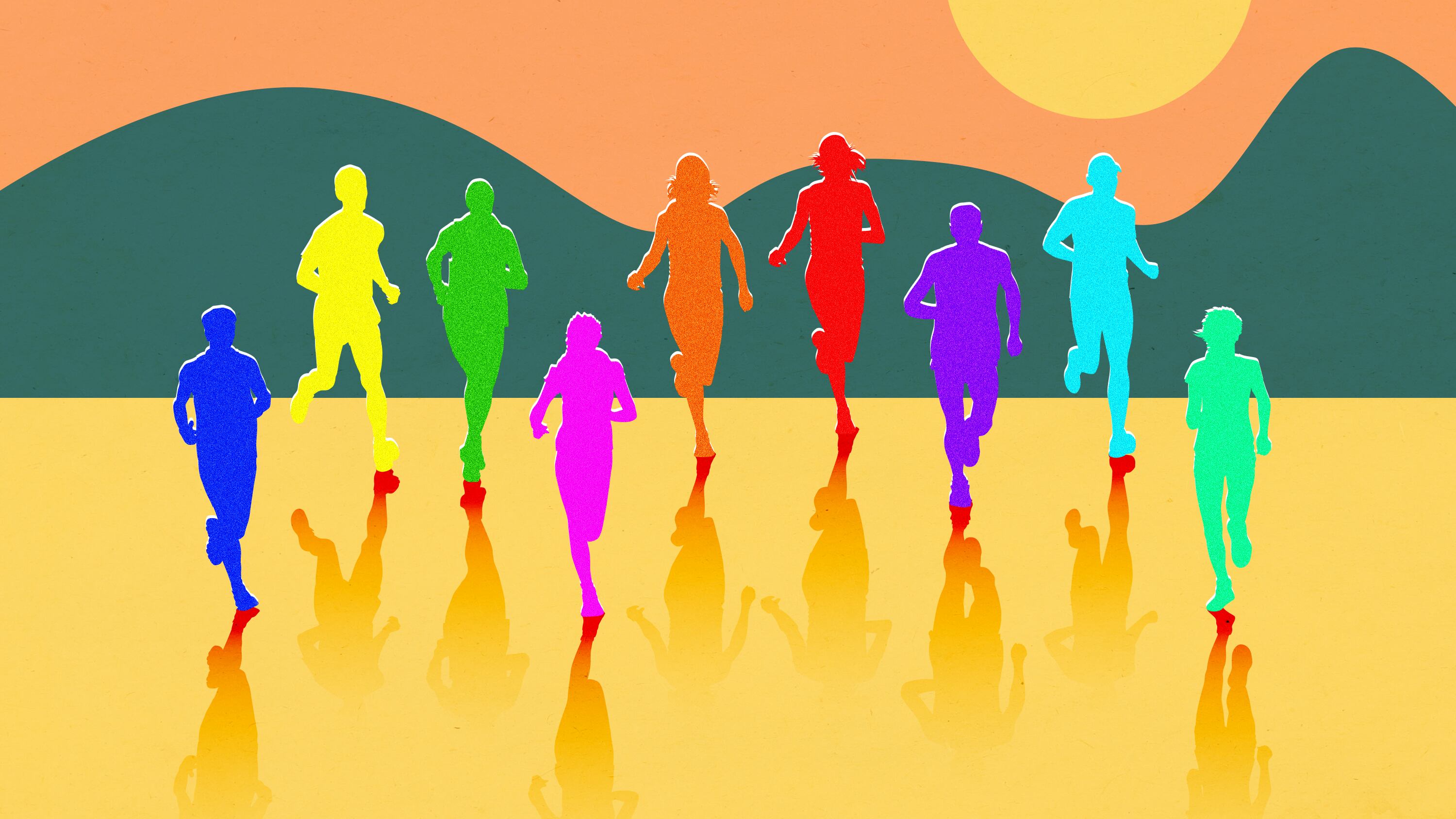
The Rise of Inclusive Running Clubs Across the U.S.
High school cross-country teams may have grown up, but their passion for running has found a new home in community-based running clubs. These groups are no longer exclusive to elite athletes or those with specific fitness goals. Instead, they welcome everyone—whether you're a speed walker, a casual jogger, or someone who prefers to mix walking and running. This shift has made running more accessible and inclusive, creating spaces where people can come together for health, camaraderie, and shared experiences.
For many, the idea of running miles with a group might seem daunting. However, the benefits of group running extend beyond physical health. Jim Stoppani, a PhD in exercise and physiology and founder of JYM Supplement Science, explains that running offers numerous health advantages, including lower blood pressure, improved bone density, and increased endurance. Over time, it can even make daily tasks like cleaning easier by training muscles to work more efficiently over extended periods.
Beyond the measurable health benefits, running clubs also play a crucial role in breaking down barriers to fitness. They provide an environment where people from all walks of life can participate, regardless of socioeconomic status. Shani Storey, founder of The Breakfast Run Club in Portland, Oregon, emphasizes that “running is the one thing that you can do whenever, wherever,” and it’s free. This accessibility makes it an ideal activity for anyone looking to improve their health without financial constraints.
Running clubs typically meet once or multiple times a week, following designated routes led by organizers. These routes often average around three miles and are designed to be pace-inclusive, welcoming participants who walk, run, or alternate between the two. While these clubs are more common in major cities like Seattle or Tampa, they are also present in smaller towns and communities, though with less variety.
One of the most significant aspects of these clubs is their ability to dismantle the myth that only fast or highly trained runners are welcome. Lay Seaton, founder of The Urban Run Club in Raleigh, North Carolina, notes that “walking doesn’t disqualify you.” She started her club when she couldn’t run a mile without stopping, but now she's training for half marathons. Similarly, Angelo Sinchi, co-founder of Paso Run Club in New York City, says the goal is simply “being able to move,” emphasizing that movement is a privilege.
The Urban Run Club goes beyond just physical activity. It provides seminars on nutrition, fosters accountability for personal fitness goals, and helps members manage busy schedules to maintain consistent workouts. The club was intentionally created as a space for Black individuals, addressing health disparities such as heart conditions and type II diabetes. By promoting fitness and mindfulness, the club serves as a form of collective care.
Similarly, Paso Run Club focuses on the Latino community in New York City, which often feels underrepresented in fitness spaces. Co-founder Evelyn Amendano hopes to empower her community by showing that “our bodies are able to do so much more if we just push past our limits.” These clubs not only promote health but also foster a sense of belonging and cultural connection.
Safety is another important aspect of these running groups, especially for women. The Breakfast Run Club was created to provide a safe space for women to run together, addressing concerns about harassment, stalking, or even more severe risks. As Storey explains, “being a woman and running by yourself can be super scary.” By creating a supportive environment, these clubs help women feel secure and empowered during their workouts.
Beyond the runs themselves, these clubs often host social events like salsa nights, coffee meetups, and volunteer opportunities. These activities help build stronger connections within the community, offering both locals and newcomers a way to engage with their city and each other.
In essence, running clubs represent more than just a fitness trend—they are spaces for healing, empowerment, and community building. As Amendano puts it, “it’s you and one foot in front of the other,” whether that’s through fitness or friendships. These groups remind us that movement can be both a personal journey and a collective act, uniting people in the pursuit of health and connection.

Post a Comment for "Pack Runs: More Than Just for Wolves Now"
Post a Comment