Oregon Farms Warn State Policy Could Force Closure, Official Denies Claims
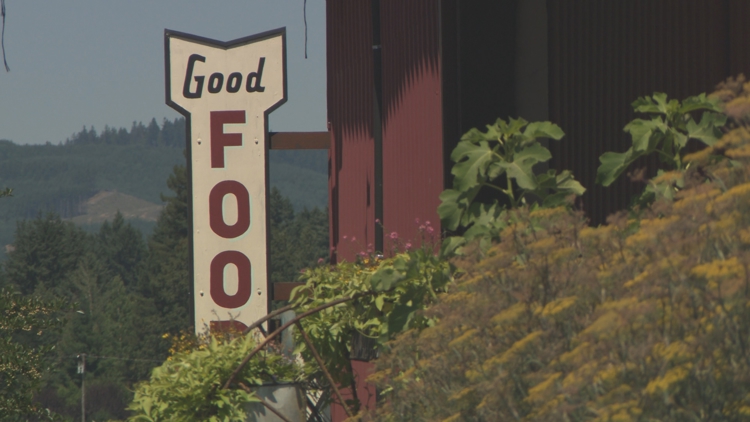
Oregon Farms Fight Proposed Policy Changes
A number of family-owned farms in Oregon are facing a growing concern as state officials propose changes to permitting policies for farm stands and agritourism. These changes have sparked backlash from farmers who fear that the new rules could force them out of business. The policies, which aim to regulate how farm stands operate and what types of activities are allowed on farmland, have been met with resistance from those who rely on agritourism to sustain their operations.
Topaz Farm on Sauvie Island and Wooden Shoe Tulip Farm in Woodburn are two of the most prominent examples of farms that believe they will be significantly affected by these proposed changes. Kat Topaz, co-owner of Topaz Farm, expressed frustration over the situation, stating, “A lot of people are like, 'I want to save farmland.' The problem is we are saving the land; we are just not saving the farmers.” Her husband, Jim Abeles, added that while there is no shortage of farmland in Oregon, there is a growing shortage of farmers.
Farmers like the Topazes have taken to social media to warn about the potential impact of the policy changes. They argue that if the proposed rules go into effect, many small farms may not be able to survive. Topaz Farm, known for its fresh produce, summer concerts, farm-to-table dinners, pumpkin patches, and sunflower mazes, relies heavily on these additional attractions to stay afloat. Without them, the farm may not be able to make ends meet.
The Topaz Farm owners have been in discussions with state leaders, including Governor Tina Kotek, hoping to find a way to support small farms. Abeles explained that the economics of farming are extremely challenging, especially at this scale. “You have to have diversification,” he said. “If you can't have a farm stand or farm-to-table dinners or harvest festivals in the fall, sunflower festivals, these are the kind of things that allow you to stay in business.”
Despite the initial hope that the proposed changes would streamline the process, farmers were surprised to find that the new rules could be even more restrictive. “We went to Salem, and everyone seemed concerned, like they were going to help streamline these rules,” Topaz said. “But the rules that just came out last week were the streamlined versions — but the surprise to all the farmers was the streamlined versions are so much worse, to the point where we yelled for help.”
Alexis Hammer, legislative and policy manager at the Oregon Department of Land Conservation and Development (DLCD), clarified that the goal is to improve state policies around farm stands, not to shut them down. “We have the important and challenging task of establishing and updating the statewide planning framework,” she said. “Balancing goals like conserving agricultural land and natural resources while focusing development in the right locations is key.”
Under current Oregon law, farm stands are permitted structures designed for selling crops, products, or livestock grown on the farm. They may also host some outdoor events and sell non-farm items like souvenirs. However, larger activities such as farm-to-table dinners, corn mazes, and music events may require an agritourism permit, separate from a farm stand permit.
The proposed changes aim to clarify what types of activities can operate without permits, such as u-pick farms and free educational tours. Non-farm products sold at permitted farm stands must relate to the products grown on the farm, such as vases for cut flowers or carving kits for pumpkins. Hammer emphasized that if a farm only sells items grown on the land, no permit is needed. However, if non-farm products are sold, a permit is required.
The changes also seek to address concerns related to traffic, parking, and trespassing, ensuring that agritourism activities do not negatively impact surrounding neighbors. For example, weddings, concerts, and 18 or more farm-to-table dinners per year would require a permit and a review of their impact on neighbors.
While the DLCD has stated that the proposals would not prohibit farm stands or agritourism, some farmers believe that the rules could limit their ability to sell non-farm-related items. Hammer acknowledged that there may be misinformation circulating but insisted that the department is listening to farmers and working to create workable rules.
Any changes to the state’s rules will not be finalized until next year. The DLCD will release formal proposed rules through the secretary of state later this year, giving the community about two months to review the draft language and provide input. A rulemaking advisory committee is meeting to discuss the proposal, though many farmers feel the timing is inconvenient during the busy farming season.
Despite the challenges, farmers remain hopeful that their voices will be heard. The owners of Wooden Shoe Tulip Farm encouraged the public to share their favorite memories and support for farm stands across the state. “The system will only work if we listen to and incorporate the values of Oregonians to protect what we love about our beautiful state and support the farmers that feed us,” said Hammer.

Post a Comment for "Oregon Farms Warn State Policy Could Force Closure, Official Denies Claims"
Post a Comment