On the Record: How Local Public Radio Faces Federal Funding Cuts
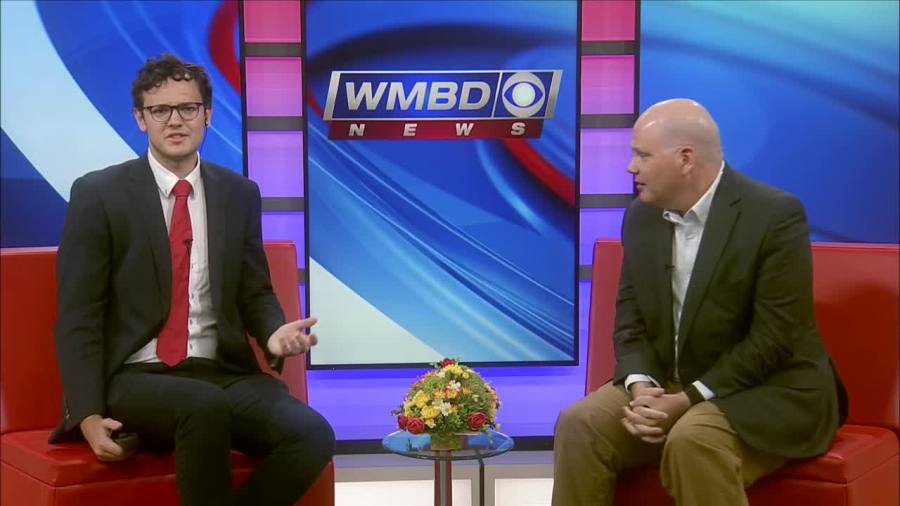
Impact of Federal Funding Cuts on Local Public Radio Stations
Public radio stations in central Illinois, including WGLT and WCBU, are facing significant financial challenges due to recent federal budget cuts. The U.S. Congress approved a reduction of $1 billion in funding for the Corporation for Public Broadcasting (CPB), which supports public radio and PBS across the country. These cuts have directly affected local stations, raising concerns about their ability to maintain operations and provide essential community services.
WGLT, based in Bloomington/Normal, and WCBU, located in Peoria, are among the stations experiencing the most immediate consequences. According to R.C. McBride, the executive director of WCBU, the station will lose $250,000 in funding over the next two years, while WGLT is expected to lose $350,000. These reductions come at a time when both stations are already navigating tight budgets and limited resources.
McBride emphasized that the decision by Congress represents a major shift from decades of support for public media. “Congress has supported funding for public media for nearly 60 years, so this is a pretty radical departure,” he said. While both stations plan to absorb the cuts, the financial strain will likely lead to job losses. WGLT currently has multiple open positions, but the lack of funds may force the station to reduce its staff.
The impact of these job cuts will be particularly felt by young journalists seeking entry into the field. McBride noted that early-career journalists are already facing fewer opportunities due to a significant decline in journalism jobs over the past two decades. “Illinois has lost something along the lines of 90% of its journalism jobs over the last 20 years,” he said. “We were already hurting when it comes to local coverage even in sizable communities like Peoria or Bloomington Normal.”
The funding cuts have sparked controversy, with critics arguing that they undermine the role of public media in providing unbiased news and educational content. Some Republicans in Congress have expressed concerns about alleged left-wing bias in public broadcasting, leading to the approval of the cuts. However, the debate has also drawn protests from community members who rely on these stations for local news and information.
Rep. Darin LaHood, a Republican representing part of Illinois, faced backlash for his vote in favor of the funding reductions. In response, LaHood defended his position, stating that the bill was aimed at reducing waste and ensuring responsible use of taxpayer dollars. “The American people gave Republicans a mandate to eliminate waste, fraud, and abuse in the federal government,” he said. He added that the bill does not cut funding for CPB in 2025 but instead shifts to an annual funding model rather than multi-year commitments.
Despite these assurances, many community leaders worry about the long-term effects of the cuts. Rural public radio and TV stations, which often depend heavily on federal support, are especially vulnerable. These stations play a critical role in connecting isolated communities to local news and cultural programming. If funding continues to decline, the risk of "news deserts" — areas without access to local news — could increase.
McBride highlighted the potential ripple effects of station closures. “If stations start to disappear, that will make it difficult for everyone else to do their jobs,” he said. “There are ripple effects that we can’t necessarily model for at this stage.”
As public radio stations across the country face similar challenges, they will need to engage in difficult conversations about how to balance their budgets and sustain their operations. For now, the focus remains on preserving the vital role of public media in informing and connecting communities.

Post a Comment for "On the Record: How Local Public Radio Faces Federal Funding Cuts"
Post a Comment