Octopus Heat Pump Ad Controversy Escalates
The Dispute Over Heat Pump Advertising Claims
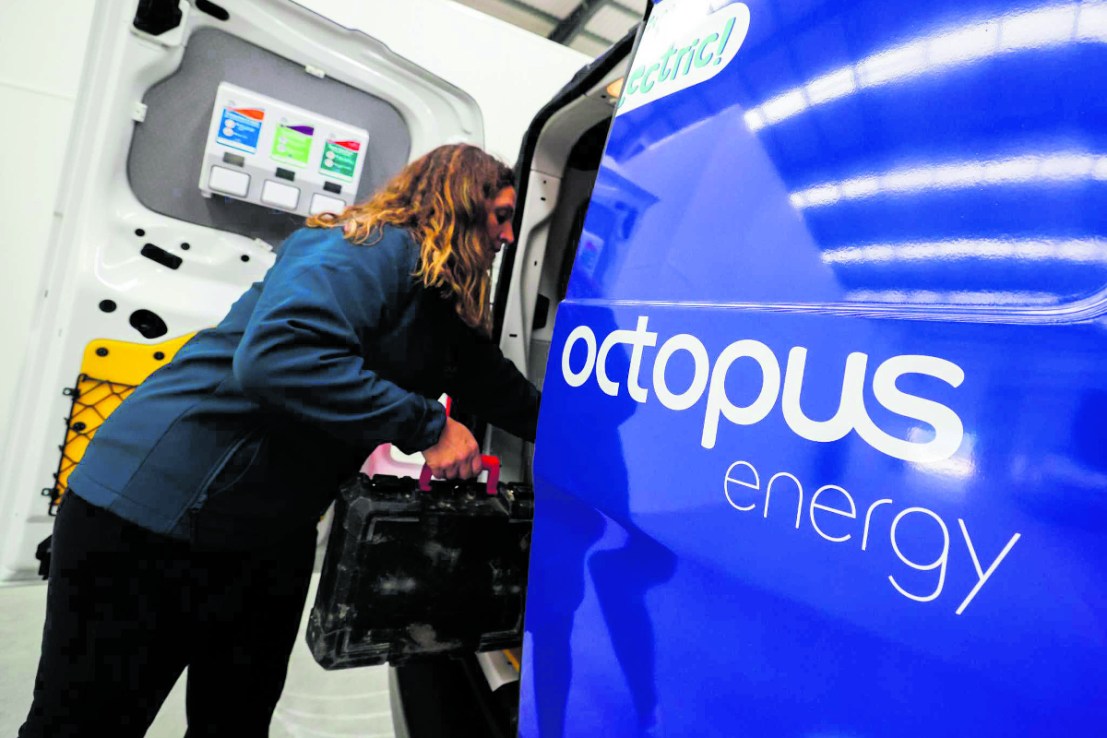
A recent controversy has sparked a heated debate among energy providers following the banning of an advertisement by Octopus Energy. The ad claimed that households could have a heat pump installed for as little as £500, but the Advertising Standards Authority (ASA) ruled that this claim was misleading. According to the ASA, the promotion was not accurate because only a small percentage of customers were actually eligible for the £500 offer.
Under guidelines set by the Competition and Markets Authority, advertisements that use “from” offers must reflect prices that a significant proportion of consumers are likely to pay. The ASA found that when the ad was published in September, Octopus was installing just 5.8% of its heat pumps at or below the £500 price. This number fell well below the 10% threshold required for such claims, leading to the decision to ban the advertisement.
The ad, which was primarily promoted on Facebook, also claimed that a government grant would cover up to 90% of the costs for switching from a gas boiler to a heat pump. It urged consumers to replace their old boilers with a new energy supplier to reduce reliance on gas. However, the ASA raised concerns about the transparency of the information provided in the ad.
Accusations of Hypocrisy
The ASA received two complaints about the ad, one of which came from the Energy and Utilities Alliance (EUA), a trade body representing traditional gas providers like Centrica. The EUA has been vocal in its opposition to the government’s heat pump subsidies. In response, an Octopus spokesperson called the complaints "breathtaking hypocrisy," pointing out that British Gas, a major member of the EUA, also claims to install heat pumps starting at £499.
Octopus argued that 13.9% of all heat pumps sold during the campaign were priced at £500 or less, surpassing the ASA’s 10% guideline. The company also stated it would report British Gas to the ASA and expect strong action if necessary.
Complainants questioned whether Octopus had omitted important details from the advertisement, such as eligibility criteria and information about the government grant. The ASA noted that while the eligibility criteria for the funding were mentioned on a landing page, they were not clearly stated in the ad itself. This lack of clarity could mislead consumers about the actual cost of installation.
Consumer Perception and Aftermath
In response to the complaints, Octopus cited third-party survey data showing that 58% of respondents believed the cost of a heat pump installation with government funding would be around £500. The advertising watchdog also noted that after the ads ran, the percentage of people eligible for a £500 or lower installation increased to over 20%.
Despite these findings, Octopus remains dissatisfied with the ASA’s ruling. The company maintains that 13% of all heat pumps sold during the campaign were priced at £500 or less, which it argues exceeds the 10% threshold. The dispute highlights the ongoing challenges in balancing promotional claims with consumer transparency, especially in the rapidly evolving energy sector.
As the debate continues, both energy providers and regulatory bodies will need to address the complexities of marketing green technologies while ensuring that consumers receive accurate and clear information. The outcome of this case may set a precedent for future advertising practices in the industry.

Post a Comment for "Octopus Heat Pump Ad Controversy Escalates"
Post a Comment