NYC Leaders Push for Active Shooter Training Post-Tamura Tragedy
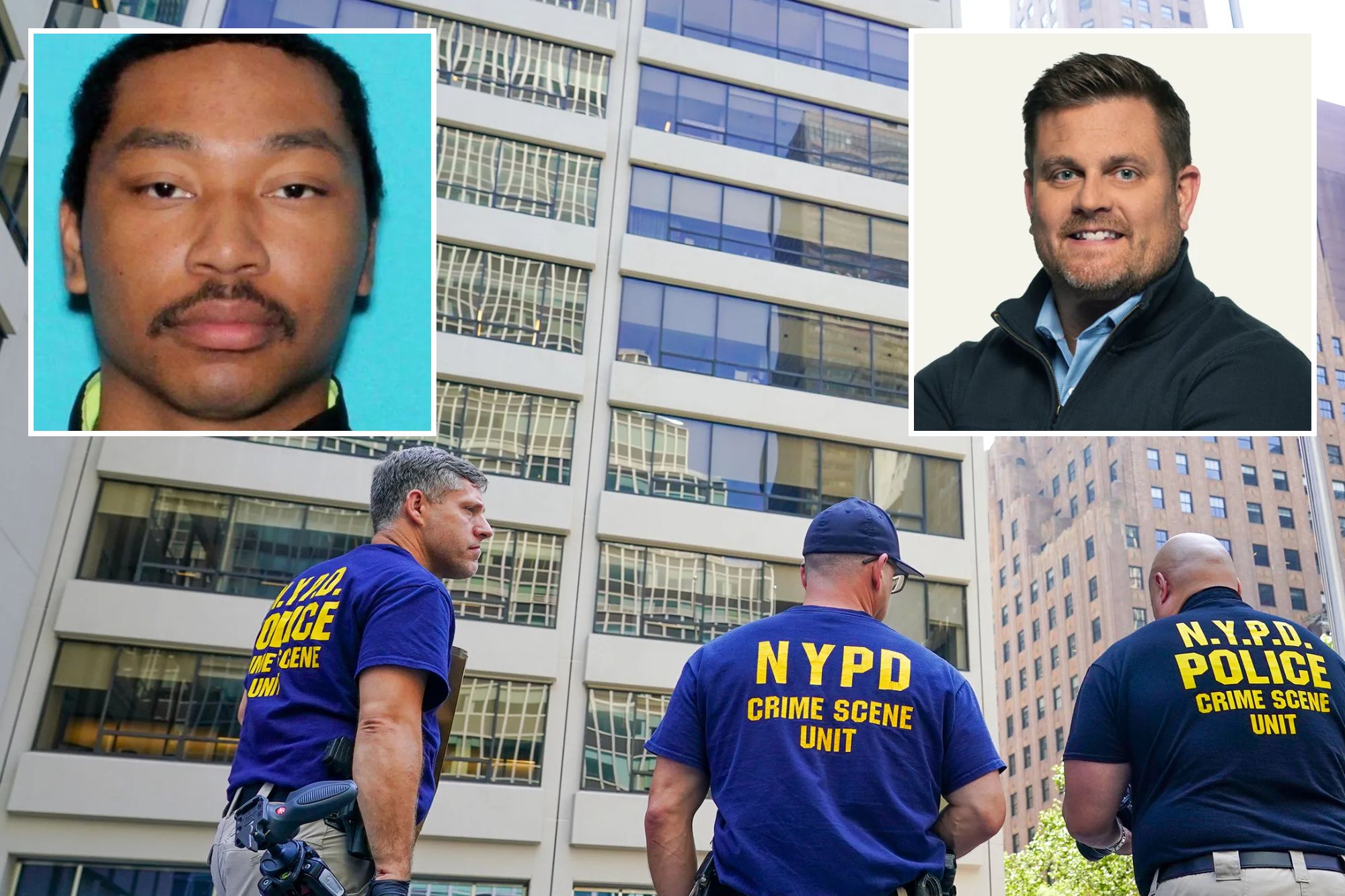
Increased Security Measures for Employees in Response to Manhattan Shooting
Following a tragic shooting at a high-profile Manhattan office building, business leaders are taking significant steps to enhance the safety of all employees, not just top executives. The incident, which left four people dead, has sparked a renewed focus on security protocols across the city's corporate sector.
The attack occurred when Shane Tamura, a 34-year-old casino security guard from Las Vegas, entered the 345 Park Ave building at around 6:30 p.m. on Monday. Carrying a semi-automatic weapon, Tamura began firing inside the building, resulting in the deaths of four individuals, including an off-duty NYPD officer who was working as a security personnel at the location. The building is home to several major companies, including Blackstone and the National Football League (NFL).
This incident has raised concerns about the need for more comprehensive security measures, especially for regular employees. Prior to this event, businesses had already started to increase security, particularly around CEOs, after the cold-blooded killing of UnitedHealthcare CEO Brian Thompson last year. However, the recent attack has underscored the importance of protecting all workers, not just high-level executives.
Immediate Actions by Business Leaders
In response to the shooting, business leaders are focusing on reinforcing existing safety protocols. Kathy Wylde, CEO of the NYC Partnership, stated that the initial step will be to remind employees about safety procedures during such emergencies. Additionally, businesses are planning to implement visible extra security in lobbies to provide a sense of safety for all staff members.
Another executive from a large New York-based bank mentioned that there will be a push for formal active shooter training. This type of training includes being aware of potential threats, assessing the situation, and employing the “run, hide and fight” strategy. The “fight” option is considered a last resort and is only used when other options have been exhausted.
Concerns Over Security Details
Representatives from many Midtown firms have chosen not to disclose specific details about their new security measures. They are concerned that sharing such information could be exploited by others with malicious intent. A spokesperson for a major Manhattan-based financial firm said, “We don’t comment on security for obvious reasons. Everybody beefed up security after the UnitedHealthcare CEO murder. We’ve always been robust at our building. Expect more of it.”
Impact on Blackstone and the Community
During the shooting, employees at Blackstone barricaded themselves inside the main offices, which were later referred to as the “panic room.” One financial executive described the chaos, noting that some employees were hesitant to leave even after receiving the all-clear signal. When they finally emerged, they discovered that one of their own, 43-year-old Wesley LePatner, had been killed.
LePatner, a rising star in Blackstone’s real estate division, was on the verge of a major promotion as head of the company’s Real Estate Investment Trust (BREIT). Colleagues described her as a good friend and a beautiful soul, emphasizing that she had no idea she would become a target.
Background on the Perpetrator
Tamura, a former high school football player, had a history of mental illness. After carrying out his rampage, he took his own life with a bullet to the chest. A note found at the scene indicated that his target was the NFL due to his suffering from chronic traumatic encephalopathy (CTE), a brain injury commonly associated with professional football players.

Post a Comment for "NYC Leaders Push for Active Shooter Training Post-Tamura Tragedy"
Post a Comment