Netanyahu's Failed Effort to Win Young Trump Supporters
Understanding the Complexities of Antisemitism in Modern Discourse
The current debates surrounding antisemitism and Jewish safety have become increasingly complex, especially as they intersect with political ideologies, online culture, and public perception. These discussions often involve a mix of genuine concerns about global conflicts and deeply rooted prejudices that can be difficult to distinguish from one another.
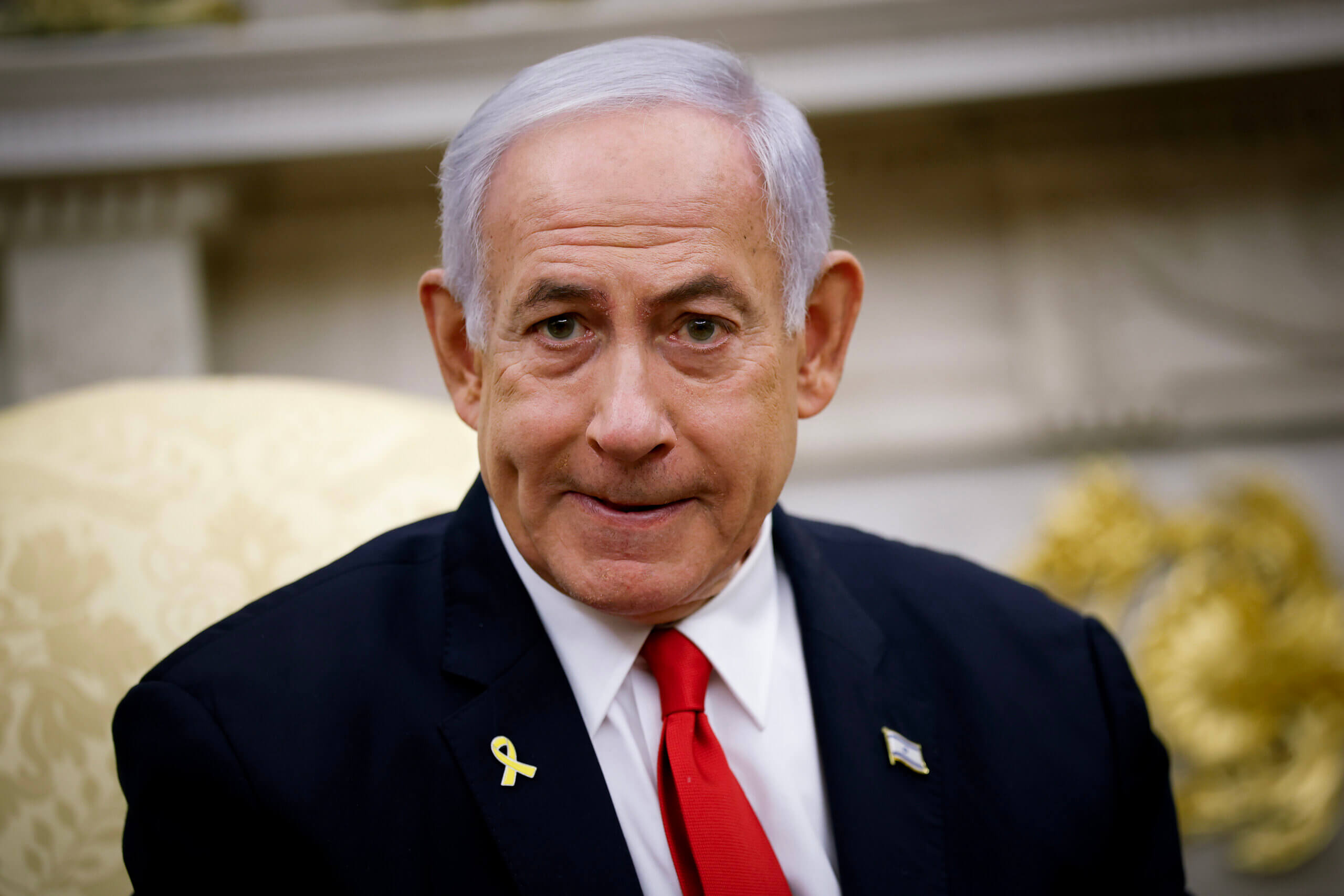
When Israeli Prime Minister Benjamin Netanyahu recently appeared on a popular YouTube podcast hosted by the Nelk Boys, it was expected to be a straightforward public relations opportunity. However, the response from the audience revealed a more nuanced and troubling landscape. The podcast, which has a massive following among young men, has long been associated with figures who align with far-right ideologies. This alignment became evident during the interview, where the hosts displayed a level of hostility toward Israel that went beyond mere political disagreement.
Young Demographics and Shifting Perceptions
A recent poll highlighted a growing trend: unfavorable views of Israel among younger Republicans have increased by 42% since 2022. This shift reflects broader changes in how younger generations perceive global politics and their relationships with international allies. While some of these young men may support President Donald Trump, their political leanings are not always aligned with traditional conservative values. Instead, they often gravitate toward narratives that question established norms and challenge mainstream perspectives.
This dynamic is particularly evident in the manosphere, a loosely connected group of male content creators who cater to audiences interested in topics like fitness, sports betting, and other cultural phenomena. These individuals often engage in rhetoric that is crude and simplistic, blending concerns about civilian casualties in Gaza with antisemitic tropes and outright hostility toward Jews. The appearance of Netanyahu on the “Full Send” podcast brought these tensions to the forefront, sparking a significant backlash from the audience.
The Role of Online Influencers and Their Influence
In response to the controversy, Steinberg and Foregard hosted a livestream where they invited prominent figures in the online streaming community to discuss the episode. What emerged was a stark reflection of the underlying issues within this space. Several of the guests invited were known for their antisemitic views, raising serious questions about the influence of such figures on public discourse.
One of the most controversial moments came when Steinberg asked Nick Fuentes, a prominent white supremacist, for advice on dealing with rising antisemitism. Fuentes responded by suggesting that Jews are an overprivileged group, a statement that further complicated the conversation. Another guest, Amrou Fudl (known as Myron Gaines), echoed similar sentiments, blaming Jews for various societal issues, including 9/11 and the assassination of JFK.
These interactions highlight the challenges faced by content creators who attempt to navigate the intersection of anti-Zionism and antisemitism. While some hosts tried to defend Jewish people, their efforts were often undermined by the very guests they invited. For instance, Foregard’s attempts to address antisemitism were met with confusion and resistance, revealing the difficulty of engaging in meaningful dialogue within such a polarized environment.
The Broader Implications
The situation underscores the broader implications of online culture on public perception. As platforms like YouTube and podcasts continue to shape how information is consumed, the line between legitimate criticism and harmful rhetoric becomes increasingly blurred. Studies have shown that young adults on the far-right express significantly higher levels of antisemitism compared to those on the extreme left, indicating a troubling trend in how certain ideologies are being propagated.
Moreover, the interactions between hosts and their guests reveal the complexities of addressing antisemitism in a digital age. While some creators strive to promote inclusivity and understanding, others inadvertently contribute to the spread of harmful narratives. The challenge lies in distinguishing between legitimate critiques of policies and the perpetuation of prejudice.
Conclusion
As the debate over Jewish safety and antisemitism continues to evolve, it is crucial to understand the underlying factors that contribute to these discussions. The role of online influencers, the shifting perceptions of younger demographics, and the influence of far-right ideologies all play a part in shaping public opinion. By fostering open dialogue and promoting critical thinking, we can work towards a more informed and inclusive society.

Post a Comment for "Netanyahu's Failed Effort to Win Young Trump Supporters"
Post a Comment