Must You Wear a Life Jacket on Boats in North Carolina? What the Law Says
Understanding Life Jacket Requirements in North Carolina
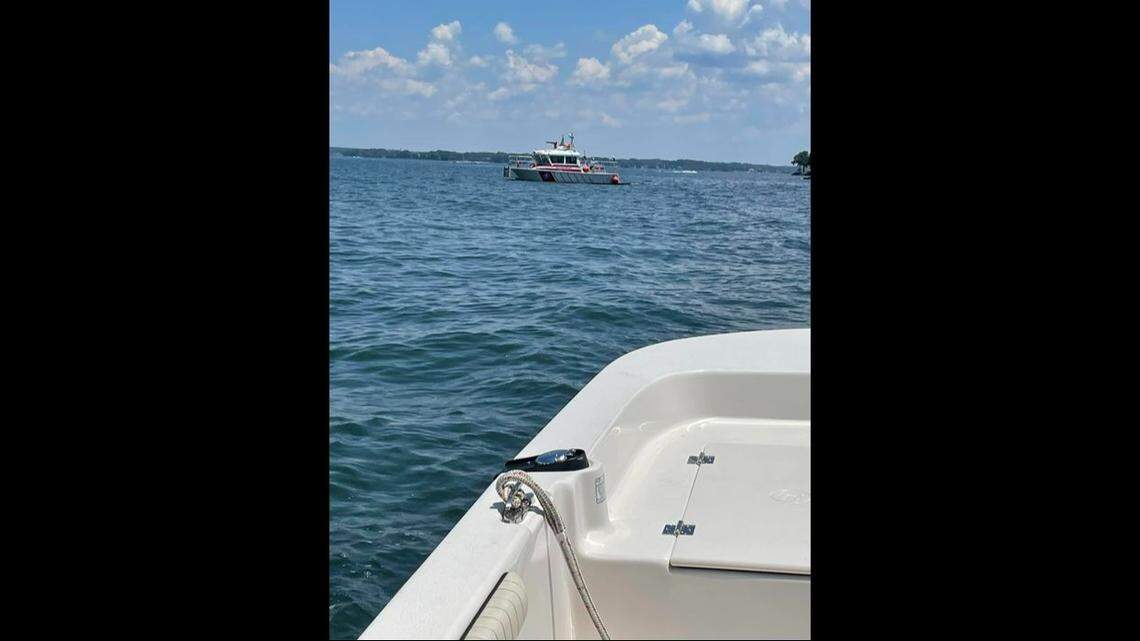
As the summer heat continues to linger, many residents of North Carolina look for relief by spending time near lakes or beaches. However, these activities can become dangerous if water safety is not taken seriously. In June, a tragic incident occurred on Lake Norman when a man drowned after attempting to retrieve a personal item that had fallen into the water. According to reports, the man was not wearing a life jacket at the time.
This event highlights the importance of understanding and following North Carolina’s laws regarding life jackets. Knowing who is required to wear them, what types are necessary, and the potential consequences of not using one can help prevent such tragedies.
Who Must Wear a Life Jacket?
Under North Carolina law, anyone under the age of 13 is required to wear an appropriate life vest while on a recreational vessel that is underway. Additionally, individuals riding a personal watercraft or being towed by one must also wear a life jacket. These regulations apply to all types of watercraft, including motorized boats, canoes, kayaks, and rowboats.
The U.S. Coast Guard-approved life jackets should be of the correct size for each person on board. Specifically, they should be Type I, II, or III personal flotation devices (PFDs). Boats that are 16 feet or longer must also have a readily accessible Type IV PFD on board.
Ensuring a Proper Fit
When trying on a life jacket, it's important to check for a few key factors. The device should have a U.S. Coast Guard-approved label, match the individual's current weight, and fit snugly but comfortably. A properly fitted life jacket can significantly increase the chances of survival in an emergency.
Consequences of Not Wearing a Life Jacket
Failing to wear a life jacket in North Carolina is considered a Class 3 misdemeanor. This offense carries a fine of $25, along with associated court costs. While the penalty may seem minor, it serves as a reminder of the serious risks involved in not adhering to water safety guidelines.
Tips for Staying Safe in the Water
If you plan to spend time in the water this summer, consider the following safety tips:
- Wear a life jacket at all times while on the water.
- Take boating safety courses to better understand how to handle emergencies.
- Monitor weather forecasts to avoid unexpected changes in conditions.
- Swim in designated areas that are safe and monitored.
- Use a buddy system when engaging in water activities.
- Choose beaches with lifeguards on duty.
- Ensure children have adult supervision when near water.
Community Engagement and Resources
For those interested in learning more about local issues or contributing to community discussions, there are resources available. Questions about the Charlotte area can be submitted through specific forms provided by The Charlotte Observer. Similarly, inquiries related to Raleigh or the Triangle area can be directed to The News & Observer team.
Additionally, there are ongoing conversations about various topics, such as the appropriate age for children to be left home alone and the legal rights regarding recording law enforcement officers. These discussions reflect the broader interest in understanding and navigating local regulations and community standards.

Post a Comment for "Must You Wear a Life Jacket on Boats in North Carolina? What the Law Says"
Post a Comment