Muscogee Nation Court Grants Citizenship to Descendants of Enslaved People
A Landmark Ruling for Tribal Citizenship
The Muscogee Nation Supreme Court delivered a significant decision on Wednesday, affirming that two descendants of individuals once enslaved by the tribe are entitled to tribal citizenship. This ruling marks a pivotal moment in the ongoing struggle for recognition and inclusion within the Muscogee Nation.
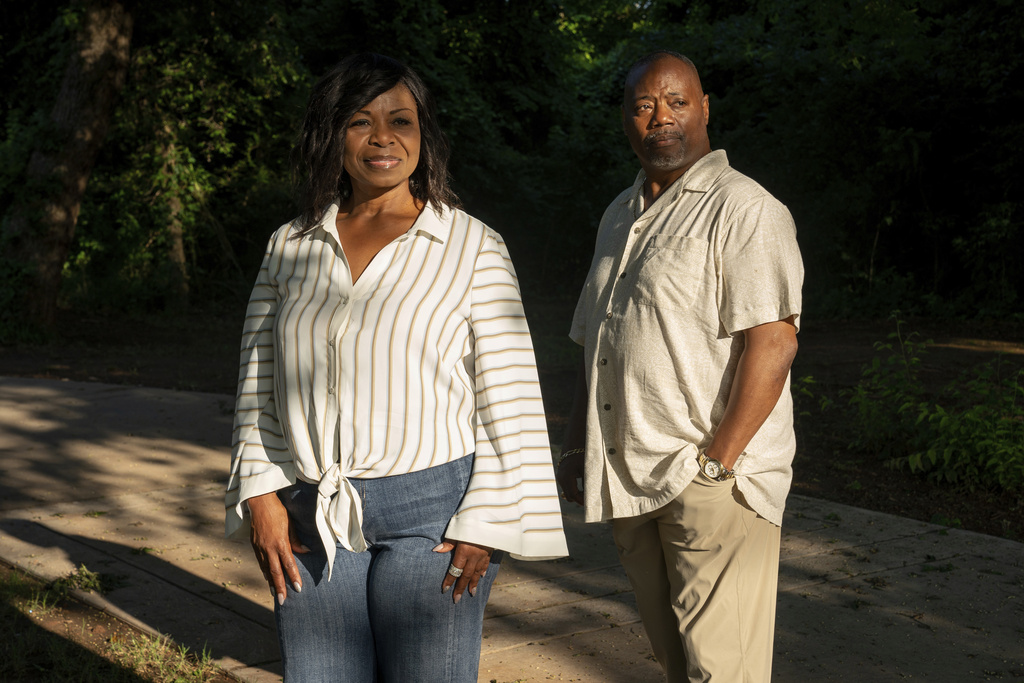
The court ruled that the tribal nation’s citizenship board violated an 1866 treaty when it denied the applications of Rhonda Grayson and Jeffrey Kennedy in 2019. The denial was based on their inability to identify a lineal descendant of the tribe. In its opinion, the court emphasized that the Muscogee Nation is bound by the promises made in the treaty, stating, “Are we, as a Nation, bound to treaty promises made so many years ago? Today, we answer in the affirmative, because this is what Mvskoke law demands.”
The Muscogee Nation is one of five tribes in Oklahoma that historically practiced slavery. The 1866 treaty with the U.S. government not only abolished slavery but also granted citizenship to the formerly enslaved. However, in 1979, the tribe adopted a constitution that restricted membership to descendants of individuals listed as “Muscogee (Creek) Indians by blood” on the Dawes Rolls, a census created around 1900.
At the time of the Dawes Rolls, people were categorized into two separate rolls: those who were Muscogee and those identified as Freedmen by the U.S. government. The recent court ruling sent the matter back to the Muscogee Nation's citizenship board, directing it to apply the Treaty of 1866 to Grayson and Kennedy's applications, as well as any future applicants who can trace an ancestor to either roll.
This decision could pave the way for thousands of new members to gain tribal citizenship, including those not descended from Muscogee by blood. For Grayson, this ruling represents a long-awaited affirmation of her ancestors and their rightful place in the Muscogee Nation. She stated, “While this victory honors our past, it also offers a meaningful opportunity for healing and reconciliation. It’s time now to come together, rebuild trust, and move forward as one united Nation, ensuring future generations never again face exclusion or erasure.”
Kennedy echoed similar sentiments, saying, “When I heard the ruling, I felt generations of my family exhale at once.” He added, “Our ancestors signed that treaty in good faith, and today the Court finally honored their word.”
In addition to addressing the citizenship of Grayson and Kennedy, the court found that references to “by blood” in the Muscogee Nation's constitution are unlawful. This could lead to significant changes in the governing document, particularly regarding the requirement that citizens be at least one-quarter Muscogee “by blood” to run for office.
The Muscogee Nation Chief David Hill acknowledged the ruling and stated, “We are currently reviewing the order to understand its basis as well as its implications for our processes. It may be necessary to ask for a reconsideration of this order to receive clarity so that we can ensure that we move forward in a legal, constitutional manner.”
Legal battles have already been successful against two of the five tribes, the Seminole Nation and the Cherokee Nation, which have since extended citizenship to Freedmen descendants. However, the implementation of this citizenship varies between the tribes. For instance, the roughly 2,500 Freedmen citizens in the Seminole Nation are not allowed to run for higher office and do not have access to certain resources like tribal housing and education assistance. In contrast, the 17,000 Freedmen citizens in the Cherokee Nation have been embraced by recent administrations and are given full benefits.
Jonathon Velie, an attorney who worked on behalf of Freedmen in both cases, noted that while the U.S. Department of the Interior treats Freedmen citizens equally, the tribes themselves honor their citizenship differently. He expressed hope that the Muscogee Creek Nation will welcome them back, stating, “What they won today wasn’t the U.S. Government or the U.S. courts telling them, they told themselves in their own judicial system.”

Post a Comment for "Muscogee Nation Court Grants Citizenship to Descendants of Enslaved People"
Post a Comment