Modern Cars Disrupt Radar Detectors: Escort's Adaptive Solution
Understanding Radar Detectors and Their Evolution
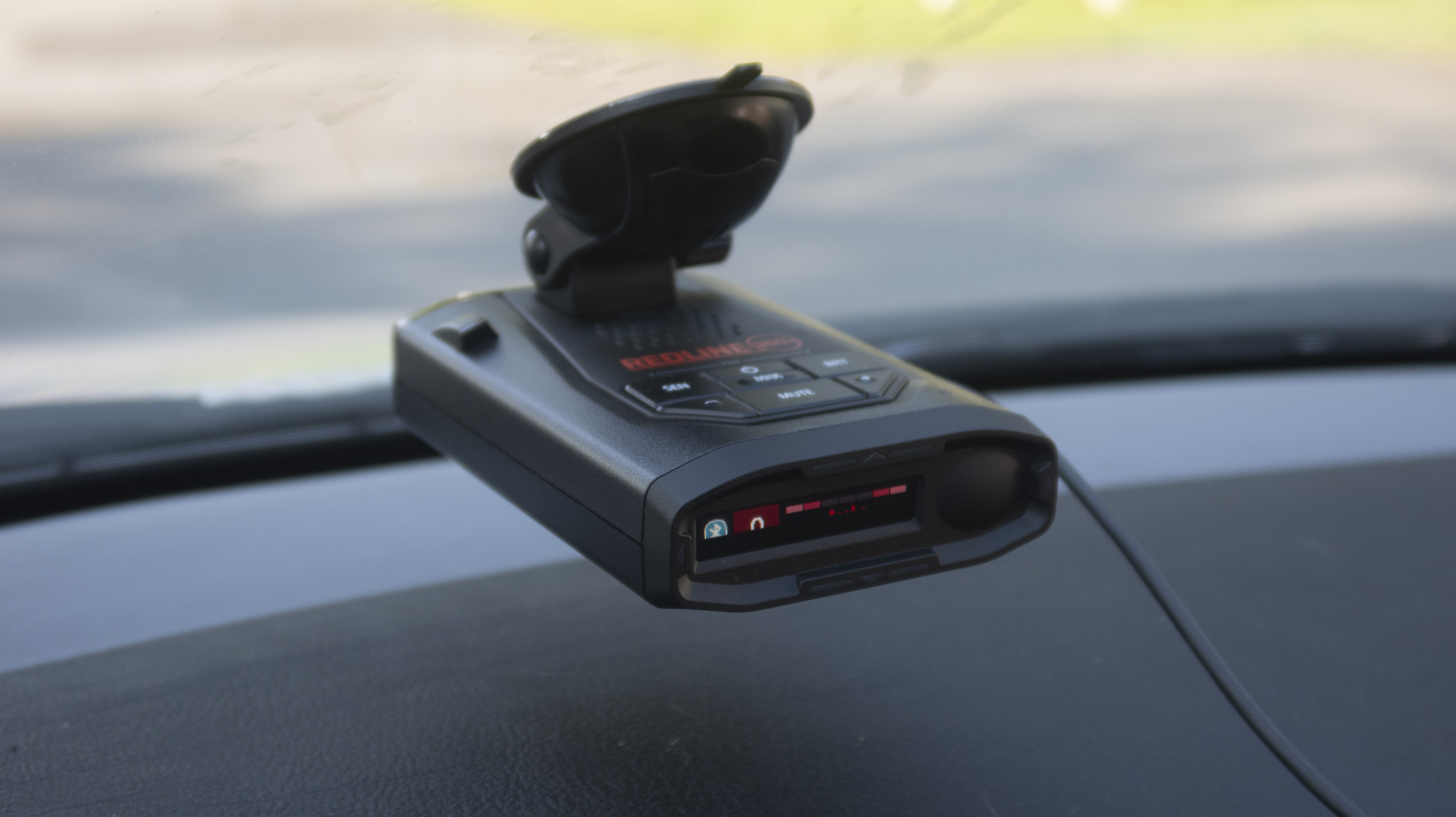
Radar detectors have long been a staple for drivers looking to stay ahead of speed enforcement. However, the technology behind these devices is constantly evolving to keep up with advancements in law enforcement tools and vehicle safety systems. One of the most well-known brands in this space, Escort, recently rolled out a major firmware update for its flagship model, the Redline 360c. This update aims to address longstanding complaints about performance, particularly regarding false alerts and responsiveness.
How Radar Detectors Work
At their core, radar detectors function as radio receivers that detect signals emitted by police radar guns. These signals are typically in the K- and KA-band frequencies, which are used to measure vehicle speeds. When a radar gun sends out a signal, it bounces off a car and returns to the device, allowing officers to calculate the speed of the target. Radar detectors can pick up these signals before police make visual contact, giving drivers a heads-up to adjust their speed.
However, modern vehicles come equipped with a variety of radar-based technologies, such as blind-spot monitoring and adaptive cruise control. These systems can interfere with radar detectors, causing false alerts. The challenge for manufacturers like Escort is to distinguish between legitimate police radar signals and those from automotive safety systems.
Why Escort Needed an Update
The Redline 360c, released in 2020, has undergone several firmware updates over the years. Despite its advanced features, it has faced criticism for issues such as slow response times and frequent false alerts. In early 2025, it was removed from Vortex Radar’s recommendation list due to these concerns.
To address these issues, Escort has introduced a new firmware update, version 1.17, which claims to improve filtering, alert accuracy, and overall performance. The update also includes enhancements to directional indicators and K-band filtering, offering users more control over their detection experience.
Key Improvements in the July 2025 Firmware Update
The latest firmware update brings several notable improvements:
- Improved Filtering & Alerts: The Redline 360c now better recognizes and filters out signals from automotive safety systems, ensuring that drivers only receive relevant alerts.
- POP Alerts: The detector is said to detect POP (Pulse On Pulse) radar signals with 100% accuracy, outperforming competitors.
- Directional Indicator Responsiveness: The directional arrows now respond more quickly and accurately to changes in threat vectors, enhancing situational awareness.
- Adaptive K Band Filtering: A new K Filter toggle allows users to customize their detection settings based on their environment.
- OnStar/Wi-Fi Update: For users with OnStar systems, the update improves connectivity and reliability when updating via Wi-Fi.
Real-World Testing of the Redline 360c
After testing the Redline 360c with the new firmware, I found it to be reliable and effective in detecting speed traps. During a two-hour drive in rural New York, the device alerted me to four different speed traps before I could see the police. The directional indicator worked well, lighting up in the correct direction and remaining active as I moved away from the radar source.
While the device performed admirably, it did not detect five other police vehicles I encountered. I suspect they were not using radar at the time, as radar detectors are designed to detect specific signals, not all police activity.
The accompanying "Drive Smarter" app had some issues with Bluetooth pairing and failed to retrieve local speed-limit data. However, there were no false alerts during my testing, which is a significant positive.
The Morality of Radar Detectors
Radar detectors often invite social judgment, as their primary purpose is to help drivers avoid speeding tickets. However, it's important to recognize that exceeding speed limits does not always equate to reckless driving. Many drivers adhere to posted limits but still find themselves caught in speed traps. In such cases, a radar detector can serve as a useful tool for staying informed.
Ultimately, the use of radar detectors comes down to personal responsibility. While they can help drivers avoid unnecessary fines, they do not excuse dangerous or inappropriate behavior on the road.

Post a Comment for "Modern Cars Disrupt Radar Detectors: Escort's Adaptive Solution"
Post a Comment