Malcolm-Jamal Warner: America's Beloved Brother
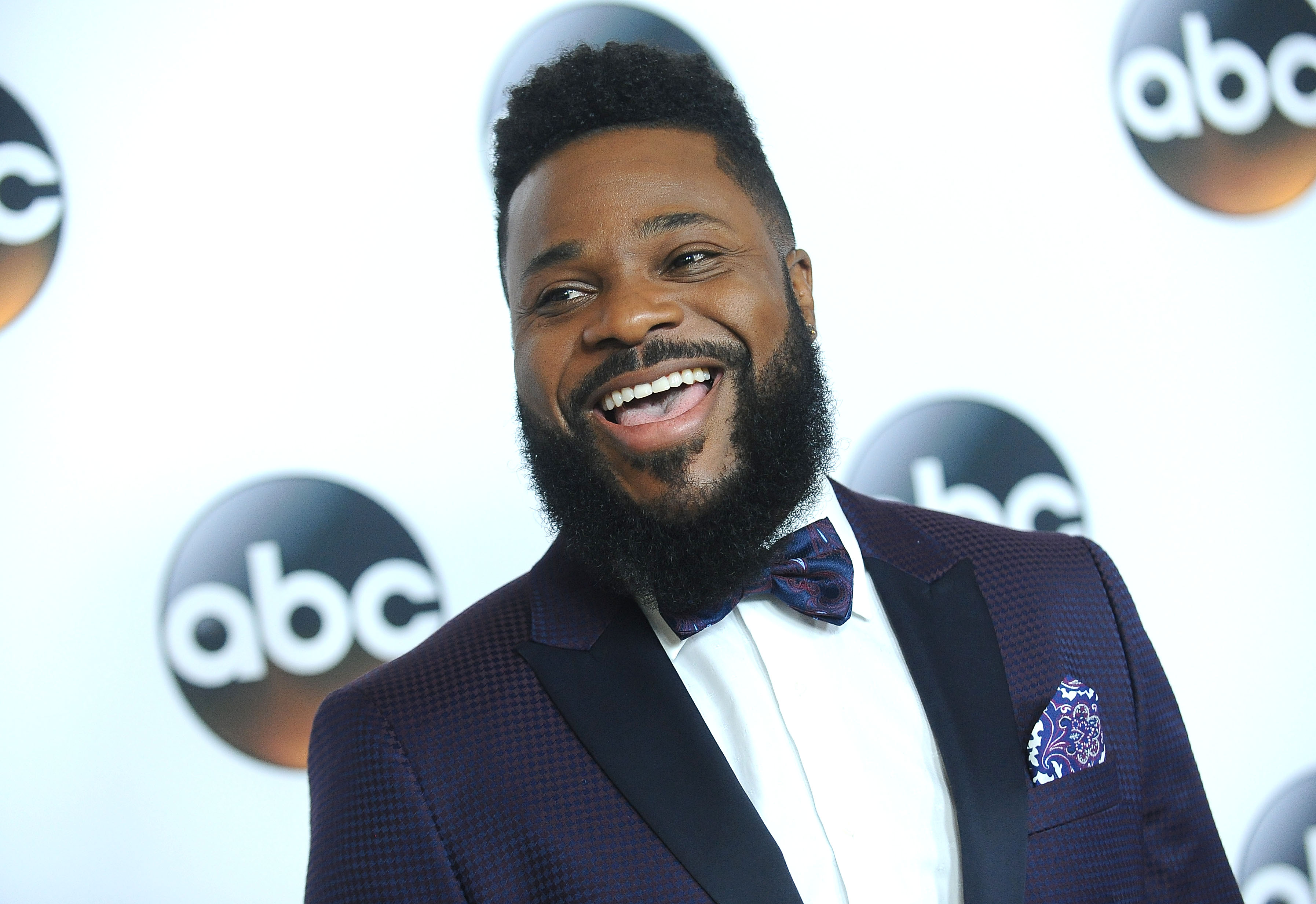
A Deep Loss and a Legacy of Joy
The news of Malcolm-Jamal Warner’s passing hit me like a thunderclap. I was on a call when an alert popped up on my laptop, and I couldn’t believe it. I screamed—literally. The thought that he, a man so full of life, could have drowned during a swim in Costa Rica with his wife and daughter was almost too much to bear. He was only 54 years old. It feels unfair, even cruel, that someone so vibrant and full of promise could be taken so suddenly.
There is a long list of beloved figures who have left us too soon—Matthew Perry, Tupac Shakur, Amy Winehouse, Kurt Cobain, Marilyn Monroe, Aaliyah, Bobby Kennedy, Martin Luther King Jr., Billie Holiday, Bruce Lee, Selena, Janis Joplin, Vincent van Gogh, Whitney Houston, James Dean, Princess Diana, Brittany Murphy. Each loss is a reminder of how fragile life can be. And while every death affects us deeply, there is something especially painful about the passing of Black men. Over the past decade alone, we’ve seen the sudden loss of Chadwick Boseman, Kobe Bryant, DMX, Michael K. Williams, and many more. Their deaths are not just personal tragedies but collective wounds.
Malcolm-Jamal Warner was more than just a name on that list. He was an Emmy-nominated actor, a Grammy-winning musician, a Grammy-nominated poet, and a devoted husband, father, and son. His presence on television was groundbreaking, particularly through his role as Theo Huxtable on The Cosby Show. That show was a cultural milestone, one of only three U.S. TV programs to hold the No. 1 rating for five seasons. It changed the way America viewed Black families, offering a portrayal of a middle-class Black household that was confident, intelligent, and unapologetically proud.
The Huxtable family was unlike anything seen before on television. They were two professional parents with five children, representing a vision of Black life that was free from stereotypes and negativity. For many, including myself, watching The Cosby Show was a revelation. It showed us what was possible, and it gave us a sense of pride and belonging.
I remember being slightly older than Malcolm-Jamal, but I never imagined seeing someone like him on TV. Yet there he was, in living color. His character, Theo, embodied a unique blend of Black boy joy, cool jazz, and hip-hop swagger. He was a symbol of hope and possibility, and for many Black boys, he was a mirror reflecting our own experiences and dreams.
While the legacy of The Cosby Show has been complicated by the later allegations against Bill Cosby, it’s important to remember the impact the show had on generations of viewers. Malcolm-Jamal Warner was a part of that legacy, and his contributions went far beyond his role on the show. He was a poet, a musician, and a voice for his community. His kindness, support, and genuine love for others left a lasting impression on everyone who knew him.
Losing him in such a tragic way—so young, with so much still ahead of him—is a deep wound. His wife, daughter, parents, and all those who loved him are left to grieve. For many, his passing feels like losing a brother or a close friend. He was named after civil rights icon Malcolm X and jazz pianist Ahmad Jamal, and in many ways, he lived up to that legacy.
Kevin Powell is a Grammy-nominated poet, filmmaker, and author of 16 books. He previously wrote a cover story on Spike Lee. Kevin lives in Brooklyn, N.Y. Follow him on social media platforms: @poetkevinpowell.

Post a Comment for "Malcolm-Jamal Warner: America's Beloved Brother"
Post a Comment