Louisa Jacobson Reveals How Marian's Story Shaped the Script to Avoid Being Seen as Prudish
Marian’s Impulsive Decision and the Complexities Behind It
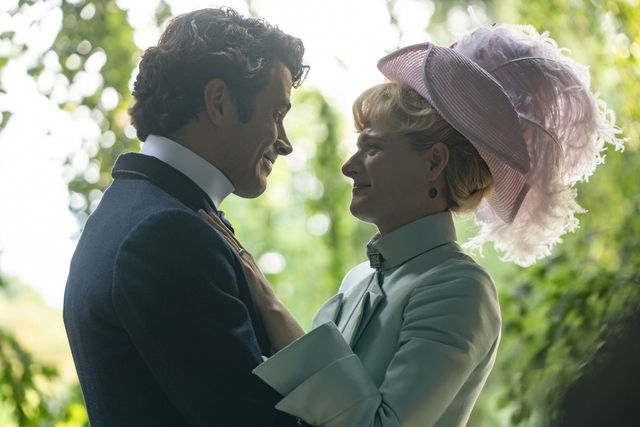
The latest episode of The Gilded Age, titled “If You Want To Cook an Omelette,” delivers a dramatic turn in the relationship between Marian (Louisa Jacobson) and her fiancé, Larry (Harry Richardson). The episode centers around Marian discovering that Larry may have skipped out on key details about his evening out. This revelation leads to a heart-wrenching decision: she sends him a Dear John letter while he is away in Arizona, trying to save the family business.
This moment has sparked a lot of discussion among fans, especially regarding Marian’s emotional response. As Louisa Jacobson explains, the character fully believes that Larry engaged in inappropriate behavior during his outing. For Marian, this isn’t just about jealousy—it’s a matter of trust and health concerns. She is deeply affected by the societal norms of the time, where men often frequented places associated with sex workers, and women were left vulnerable without any outlets for their own frustrations.
A Matter of Trust and Trauma
Jacobson emphasizes that Marian’s reaction is rooted in her past experiences. Her father, who died under mysterious circumstances, left her with nothing and a sense of betrayal. This history makes her more susceptible to distrust when it comes to relationships. When Larry lies about his activities, it only reinforces her fears. For Marian, the situation becomes a perfect storm of emotional and psychological pressure, leading her to make what she sees as a logical but ultimately impulsive decision.
The writer’s room was receptive to Jacobson’s insights, allowing for deeper exploration of Marian’s motivations. This helped prevent the character from being seen as merely prudish or jealous. Instead, her actions are framed within the context of the era’s rigid social structures and her personal trauma.
Societal Pressures and Gender Roles
During this time, men had more freedom to escape societal pressures through activities like visiting certain establishments, while women faced stricter expectations. Marian, coming from a lower social standing, had no such outlets. This imbalance adds to her frustration and contributes to her decision to end the engagement. Jacobson highlights how both men and women suffered under these rigid rules, though the consequences often fell more heavily on women.
The Impact of Past Relationships
Marian’s fear of commitment is also influenced by her previous encounters with men who betrayed her trust. These experiences made her more cautious, and when Larry’s actions seemed to confirm her suspicions, it felt like a confirmation of her worst fears. The fact that this happened on the night they became engaged adds to the emotional weight of the moment.
Understanding Bertha and Agnes
Bertha, another key character, views Marian with a mix of skepticism and disdain. She sees Marian as someone from a less prestigious background, which affects how she perceives her. However, Bertha’s opinion of Marian changes as she gets to know her better. Meanwhile, Agnes, Marian’s aunt, is a strong-willed woman with her own set of values. While Marian knows she can’t change Agnes, she respects her for her progressive beliefs, particularly regarding women’s suffrage. Over time, Marian begins to see value in trusting Agnes’s judgment, especially after repeated disappointments with her own choices in love.
A New Perspective on Trust
As the story unfolds, Marian starts to question her own decisions and considers whether she might have been too quick to judge. Her journey reflects a broader theme of self-discovery and the challenges of navigating a world where trust is hard to come by. Through her interactions with others, she begins to understand the importance of listening to those who have her best interests at heart.
This episode not only deepens the narrative of The Gilded Age but also highlights the complexities of human relationships, especially in a time of strict social norms and personal struggles.

Post a Comment for "Louisa Jacobson Reveals How Marian's Story Shaped the Script to Avoid Being Seen as Prudish"
Post a Comment