Leave Emulators Behind—Retro Consoles Deliver Authentic Nostalgia
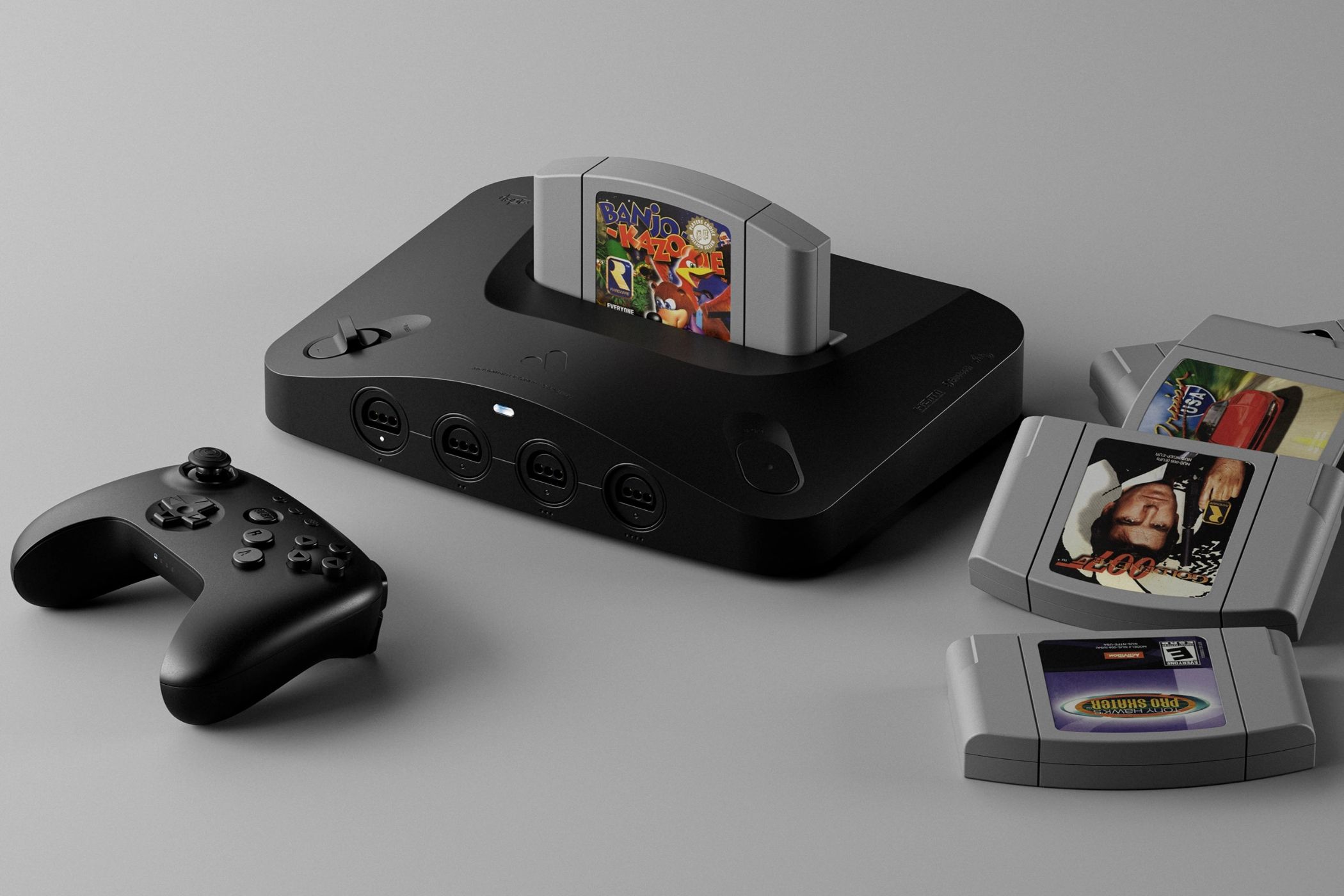
The Appeal of Replica Consoles in Retro Gaming
Replica consoles offer a unique way to enjoy the nostalgia of retro gaming without dealing with the wear and tear of aging original hardware. While they may not be the genuine article, these consoles can provide an experience that closely mirrors the past while incorporating modern technology.
For many gamers, emulators have their advantages, such as save states and the ability to play classic games on mobile devices or desktops. However, there's something about the physicality of using a real console that can't be replicated through software alone. The act of plugging in cartridges, connecting wires, and setting up the system for a game feels more authentic and immersive.
This preference for the physical console experience is shared by many enthusiasts who value the tangible aspects of retro gaming. Finding an old console, sourcing the right cables, and getting everything set up on a modern television can be a frustrating process. This is where replica consoles come into play, offering a blend of old-school charm and modern convenience.
Playing Your Physical Retro Collection
If you're a collector of retro games, you likely understand the challenges of relying on digital ROMs and emulators. Not only do you have to search for the right files, but you also need to configure them properly, which can be time-consuming and technically demanding. Replica consoles eliminate this hassle by allowing you to use your physical game collection directly.
These newer consoles are built to work reliably, avoiding the issues that come with older hardware. As original consoles age, they become prone to breakdowns, and finding replacement parts or repair services can be difficult. Replica consoles, on the other hand, are designed to function smoothly and often include modern ports and features that make them compatible with today’s TVs and displays.
For example, some replica consoles like the Analogue 3D come equipped with HDMI and USB-C ports, as well as wireless controller support. These features make it easier to integrate the console into a modern entertainment setup while still maintaining the feel of a classic gaming system.
A Nostalgic Experience
Beyond just playing games, replica consoles aim to recreate the full experience of retro gaming. There's a certain magic in connecting all the components, cleaning out the cartridges, and picking up an old controller as the game loads. This sensory experience is what many gamers cherish, and it's something that emulators often fail to capture.
While devices like the Raspberry Pi can simulate some aspects of retro gaming, they don’t fully replicate the tactile and emotional connection that comes with using original or replica hardware. The childlike wonder of booting up a classic console for the first time is a big part of why people love retro gaming in the first place.
Limitations of Clone Consoles
Despite their appeal, clone consoles aren’t without their drawbacks. Since they are produced by third-party companies, they must carefully balance between resembling the original consoles and avoiding legal issues. This means that the experience might not be identical to the original hardware.
Additionally, the availability of replica consoles is limited by patent laws. Most consoles can only be legally replicated once the original patents have expired, which typically takes around 20 years. This means that some older systems may not have official replicas available, depending on your definition of “retro.”
Cost is another consideration. High-quality replica consoles like the Analogue series can range from $220 to $250, with additional costs for accessories like adapters. Cheaper alternatives may not offer the same level of performance or compatibility, leading to potential issues similar to those found in emulators.
Choosing the Right Option
Ultimately, whether replica consoles are worth the investment depends on your personal preferences and gaming habits. If you have a large physical collection of retro games, a replica console could be a great choice. However, if you're looking to explore a wide range of retro titles without the commitment of physical media, a device like a Raspberry Pi kit might be a more cost-effective option.
In the end, the price of nostalgia is a personal decision. For some, the joy of reliving the past through replica consoles is well worth the expense. For others, the flexibility and affordability of digital solutions may be the better choice.

Post a Comment for "Leave Emulators Behind—Retro Consoles Deliver Authentic Nostalgia"
Post a Comment