Lawmaker: US Needs Faster Drone Process to Fight Border Cartel Drones
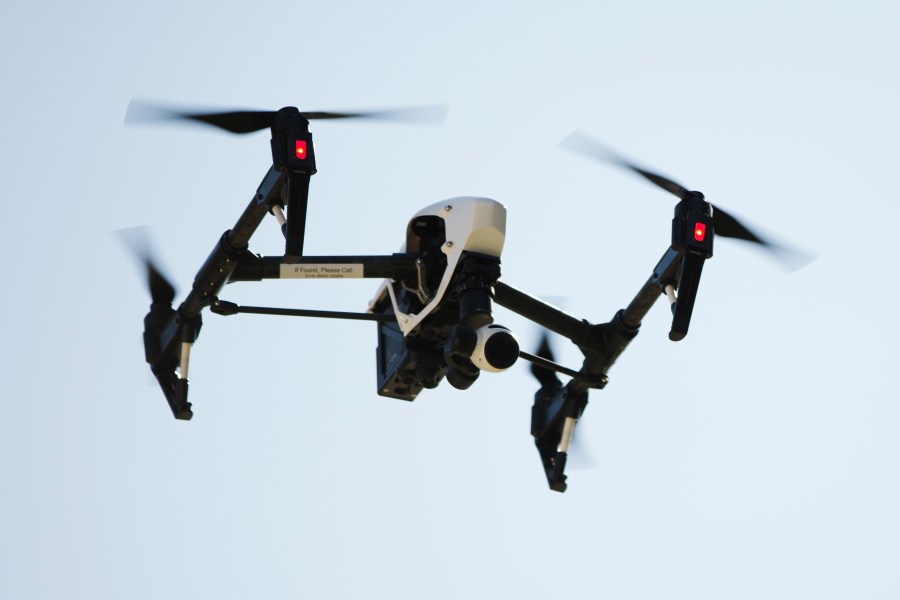
U.S. Military and Border Agencies Explore Streamlining Drone Procurement
As the United States looks to modernize its military capabilities, Defense Secretary Pete Hegseth has announced a significant shift in how the country approaches drone operations. The move aims to reduce bureaucratic hurdles that have slowed down the production and deployment of military drones. This change comes amid growing concerns over the use of drones by criminal organizations along the nation’s southern border.
A Call for Faster Drone Deployment Along the Border
U.S. Representative Henry Cuellar, a Democrat from Texas, has highlighted the need for similar reforms within the Department of Homeland Security (DHS). He emphasized that the current procurement process for border surveillance equipment is too slow and cumbersome. According to Cuellar, this delay puts the United States at a disadvantage when compared to Mexican cartels, which are known to deploy thousands of drones across the border using cash payments.
“We’re at a disadvantage in many ways when it comes to the drones used by the cartels,” Cuellar stated. “They don’t go through a procurement process. They have the money and, boom, they use them. That’s their procurement process. Ours is more complicated and takes longer.”
Cuellar, who serves on both the Homeland Security and Defense Appropriations subcommittees, stressed the importance of leveraging drones more effectively. He pointed out that these devices offer a wide range of possibilities for border security, including real-time monitoring and rapid response to threats.
Executive Order to Boost Domestic Drone Production
On June 11, former President Donald Trump issued an executive order aimed at accelerating domestic drone production. The directive sought to strengthen supply chains and reduce reliance on foreign nations. It also emphasized the role of drones in critical infrastructure, emergency response, and long-distance cargo and medical delivery.
The executive order specifically addressed the issue of drones being misused by criminals, terrorists, and foreign entities. It outlined efforts to enhance border security by improving the detection and identification of unauthorized drone activity. This initiative aligns with broader national security goals of safeguarding U.S. airspace.
Pentagon's Vision for Drone Innovation
Hegseth’s announcement included plans to lift restrictive policies that have hindered drone production. He emphasized that this change would not only boost American manufacturing but also empower military personnel with advanced technology. Hegseth stated that the United States will begin producing thousands of low-cost, domestically crafted drones for military use.
“This is the future,” he said during a video released by the Pentagon, where several drones were seen flying overhead. “We’re in the fight to win it.”
Military Units Deployed Along the Border
In addition to the policy changes, several Stryker military units recently arrived in South Texas near Laredo. These units are equipped with technology designed to detect and counter Mexican drones. Cuellar noted that these deployments reflect the growing emphasis on addressing aerial threats along the border.
However, it remains unclear whether the procurement process for DHS drones will be streamlined in the same way as the military’s. Border Report has reached out to DHS officials for clarification on whether additional drones will be deployed along the Southwest border. Updates will be provided as more information becomes available.
Arizona Sheriff’s Department Expands Surveillance Efforts
Meanwhile, the sheriff’s department in Cochise County, Arizona, has announced plans to use drones to assist in border patrols. The department aims to launch its first drones this fall, citing the president’s executive order as a catalyst for developing and commercializing American unmanned aerial systems (UAVs).
This initiative highlights the increasing role of drones in local law enforcement and border security efforts. As technology continues to evolve, the integration of drones into surveillance and response strategies is expected to grow.
Looking Ahead
With ongoing efforts to streamline drone procurement and expand their use across different agencies, the United States is positioning itself to better address emerging threats. Whether through military operations or border surveillance, the strategic deployment of drones is becoming a key component of national security. As these initiatives progress, the impact on both domestic and international security landscapes will likely be significant.

Post a Comment for "Lawmaker: US Needs Faster Drone Process to Fight Border Cartel Drones"
Post a Comment