Kagan Dismisses SCOTUS Majority in Trump's Bid to Remove Biden Judges
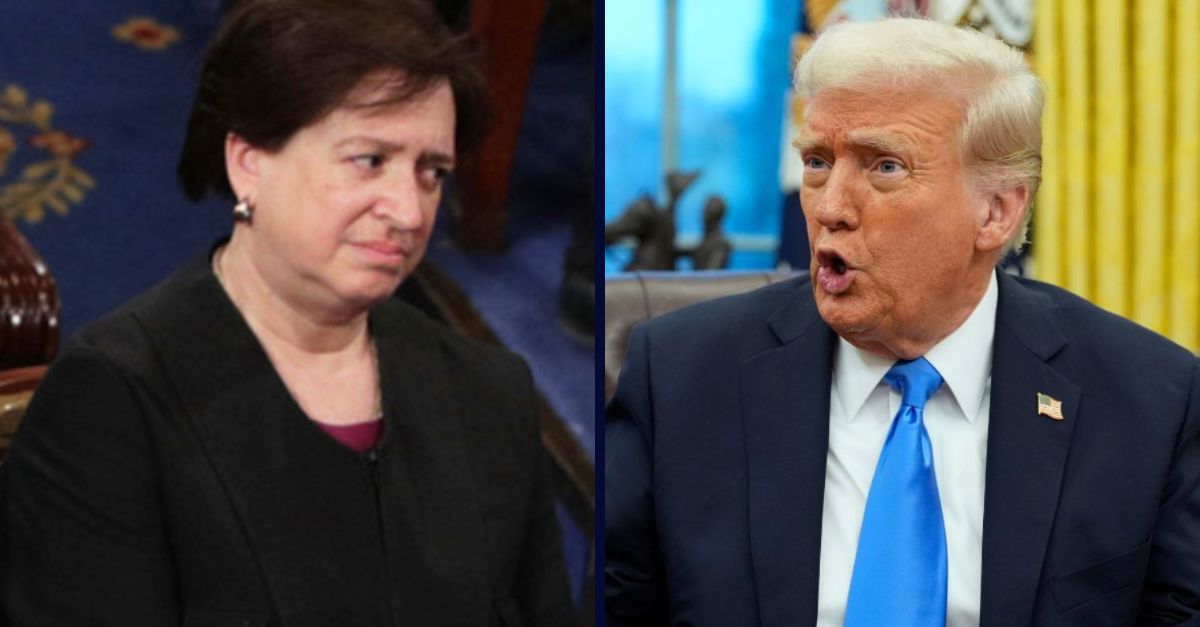
U.S. Supreme Court Grants Trump Administration Permission to Remove Biden-Era CPSC Members
The U.S. Supreme Court recently allowed the Trump administration to proceed with the removal of three Biden-era members from the Consumer Product Safety Commission (CPSC). This decision came after a majority of justices voted to overturn a permanent injunction issued by a federal district court judge, which had previously blocked the firings.
The injunction, granted in mid-June, prevented the government from taking action against the CPSC members and required the administration to provide back pay and benefits to the affected individuals. The Trump administration had sought emergency relief through the Fourth Circuit Court of Appeals, but the appellate court rejected the request earlier this month.
However, the high court’s emergency docket often favors the government, and this time was no different. The Supreme Court’s decision to grant the stay means the Trump administration can now move forward with the dismissals.
Legal Background and Key Cases
This case is part of a broader legal battle over the authority of the president to remove members of independent agencies. The plaintiffs—Mary Boyle, Alexander Hoehn-Saric, and Richard Trumka Jr.—argued that their firings were unlawful under the Consumer Product Safety Act (CPSA), which limits the president's ability to remove CPSC members to cases of "neglect of duty or malfeasance in office."
The statute’s language was seen as intentional, designed to insulate such agencies from political interference. However, the Trump administration argued that this "for-cause" removal provision is unconstitutional.
In a previous similar case, Trump v. Wilcox, the Supreme Court allowed the removal of two Biden-appointed members of federal labor agencies. The current decision echoed that ruling, with the majority opinion citing the precedent set in Wilcox.
Justice Kavanaugh's Concurrence
Justice Brett Kavanaugh expressed concerns about the lack of clarity in the Court’s reasoning. He suggested that when an emergency application involves potential changes to precedent, it would be better to both grant a stay and take up the case for full review before making a final decision.
Kavanaugh noted that lower courts cannot alter or overrule Supreme Court precedents, so there is little reason for them to handle such issues independently. He would have preferred to hear the case on its merits rather than rely on an emergency order.
Dissent from Justices Kagan, Sotomayor, and Jackson
In a strong dissent, Justice Elena Kagan, joined by Justices Sonia Sotomayor and Ketanji Brown Jackson, criticized the majority for undermining the independence of the CPSC. She referenced the 1935 case Humphrey’s Executor v. U.S., which established limits on the president’s power to fire appointed officials without cause.
Kagan argued that the majority’s reliance on the Wilcox decision was poorly reasoned and that the Court’s actions risked eroding congressional design of administrative agencies. She warned that the Court’s approach could lead to a gradual transfer of power from the legislative branch to the executive.
Implications for Future Cases
The decision highlights the growing tension between the executive branch and independent agencies. It also raises questions about the role of the Supreme Court in shaping the structure of federal agencies. With the Court’s emergency docket increasingly used to resolve politically charged issues, the balance of power among the branches of government remains a central concern.
The case underscores the importance of clear statutory language and the need for judicial clarity in interpreting the scope of presidential authority. As the Court continues to navigate these complex issues, the implications for future governance and administrative law will remain significant.

Post a Comment for "Kagan Dismisses SCOTUS Majority in Trump's Bid to Remove Biden Judges"
Post a Comment