Judge Blocks Trump's Bid to Unseal Epstein Records in Florida
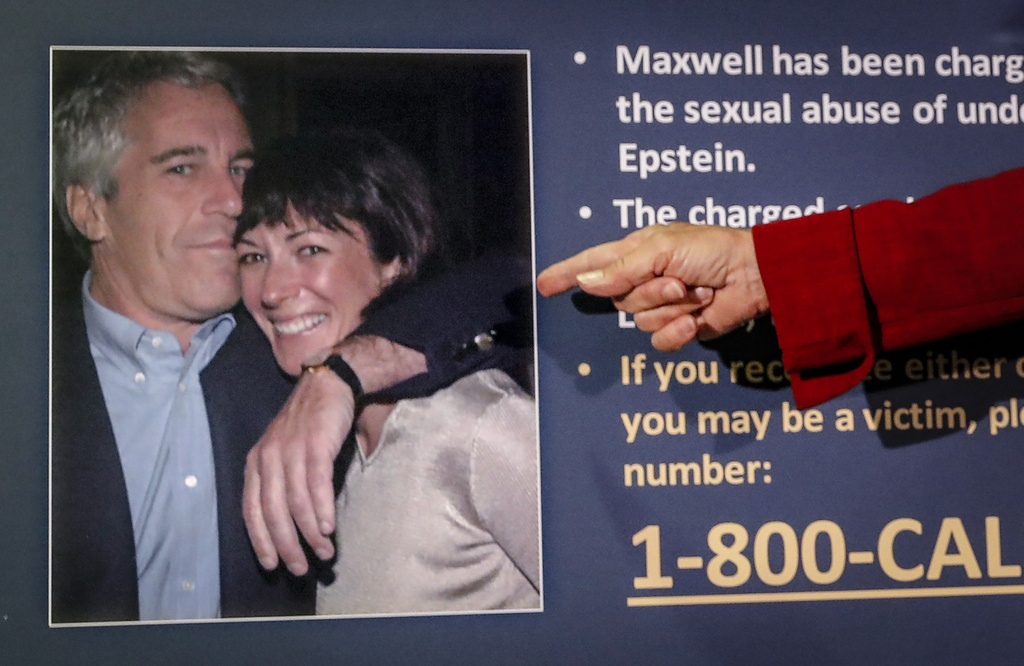
Judge Rejects Request to Unseal Grand Jury Transcripts in Epstein Case
A federal judge has denied a request from the Trump administration to unseal grand jury transcripts related to the investigations of Jeffrey Epstein, a wealthy financier, years ago in Florida. However, a similar request for documents from a different grand jury in New York is still under consideration.
U.S. District Judge Robin Rosenberg in West Palm Beach ruled that the request to release grand jury records from 2005 and 2007 did not meet any of the specific exceptions outlined in federal law that would allow such information to be made public. The Justice Department had previously asked the court to release these records in an effort to address concerns among supporters of former President Donald Trump, who believe there was a conspiracy to protect Epstein’s clients, conceal evidence, and hide videos of alleged crimes.
In 2008, Epstein reached a plea deal with federal prosecutors in Florida, which allowed him to avoid more serious federal charges. Instead, he pleaded guilty to state-level charges involving procuring a minor for prostitution and solicitation of prostitution. Deputy Attorney General Todd Blanche had urged judges in both Florida and New York to unseal transcripts from grand jury proceedings that led to indictments against Epstein and his former girlfriend, Ghislaine Maxwell, stating that “transparency to the American public is of the utmost importance to this Administration.”
Federal grand juries operate in secrecy, gathering evidence and deciding whether there is enough to bring formal charges. Experts suggest that the transcripts likely do not contain significant new information, as prosecutors typically only present enough evidence to secure an indictment, rather than revealing the full scope of their investigation.
Epstein, who was known for his connections to high-profile individuals, was arrested in 2019 on federal sex trafficking charges. Maxwell was also charged with aiding Epstein in the abuse of teenage girls. Epstein died in his cell at a federal jail in New York City about a month after his arrest, with investigators concluding it was a suicide. Maxwell was later convicted and sentenced to 20 years in prison.
The case drew widespread attention due to its ties to celebrities, politicians, and billionaires. It also fueled various conspiracy theories that gained traction among some members of Trump’s base.
The controversy over the release of records has been amplified by the Justice Department. In February, far-right influencers were invited to the White House and given binders labeled “The Epstein Files: Phase 1” and “Declassified.” These binders contained documents that were already publicly available.
On July 7, the department acknowledged that Epstein did not have a list of clients and stated that no additional files related to his case would be released. A two-page memo bearing the logos of the FBI and Justice Department, but not signed by any individual, concluded that further disclosure was not appropriate or warranted.
Meanwhile, a House Oversight subcommittee voted to subpoena the Justice Department for files related to the Epstein case. The full committee issued a subpoena for Maxwell to testify before officials in August. Additionally, Senator Adam Schiff, a Democrat from California, called on Attorney General Pam Bondi and FBI Director Kash Patel to appear before the Senate Judiciary Committee.

Post a Comment for "Judge Blocks Trump's Bid to Unseal Epstein Records in Florida"
Post a Comment