Judge Blocks Release of Epstein Grand Jury Records in Florida
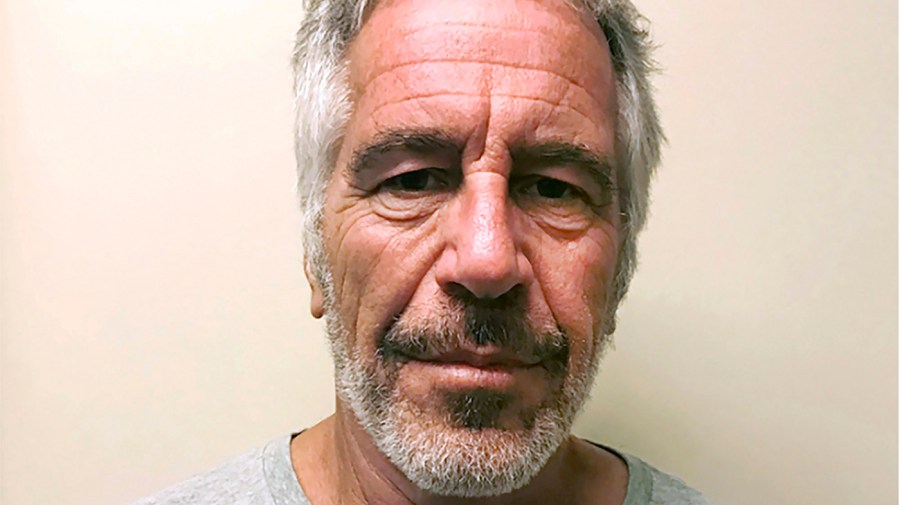
Federal Judge Blocks Release of Grand Jury Transcripts in Epstein Case
A federal judge in Florida has denied the Justice Department’s request to unseal grand jury transcripts related to the investigation into disgraced financier Jeffrey Epstein. The decision comes amid ongoing scrutiny of the case, which has drawn significant public attention due to its high-profile nature and the involvement of prominent individuals.
U.S. District Judge Robin Rosenberg ruled that the government's request did not meet any of the exceptions that would allow for the release of grand jury materials. She emphasized that the court is bound by existing legal precedents, which prevent the disclosure of such information unless one of the five specified exceptions applies.
The Justice Department had previously sought the release of documents from federal investigations conducted in Florida in 2005 and 2007. Their argument was based on the “extensive public interest” in Epstein’s case, particularly after the agency publicly stated that Epstein did not have a “client list” and died by suicide while in a New York City prison in 2019. These findings have sparked outrage among some supporters of former President Donald Trump.
This ruling temporarily halts efforts by the Trump administration to address criticism from its political base. However, it does not impact other pending requests to release grand jury transcripts related to later investigations involving Epstein and his accomplice, Ghislane Maxwell, in New York.
Judge Rosenberg also rejected the Justice Department’s request to transfer the case to the Southern District of New York, where other similar requests are being processed. Instead, she closed the original case and created a new one to retain the request and her denial.
In New York, judges overseeing the Trump administration’s bid to unseal additional grand jury information have set schedules for briefing the matter. They have ordered the government to turn over sealed grand jury material and provide more detailed arguments by July 29. Submissions from Maxwell, Epstein’s representatives, and victims are due on August 5. The judges have promised to rule “expeditiously” after that.
Deputy Attorney General Todd Blanche has taken the lead in this effort. David Oscar Markus, the lawyer representing Maxwell, has confirmed that discussions are underway to determine whether Maxwell, who is serving a 20-year prison sentence for her role in Epstein’s sex trafficking scheme, would be willing to speak with DOJ prosecutors about her knowledge. Markus stated that Maxwell would “always testify truthfully” and expressed gratitude to Trump for his “commitment to uncovering the truth in this case.”
One of the federal judges in New York, U.S. District Judge Paul Engelmayer, recently denied Maxwell’s request for access to the grand jury transcripts in her case. He cited “black-letter law” as the reason, noting that defendants are typically not allowed to view such material.
Epstein’s death has long been a source of speculation for conspiracy theorists, who have claimed that the government is hiding the truth about the convicted sex-offender’s connections to influential public figures.
As the legal proceedings continue, the case remains a focal point for public interest and media coverage. The outcome of these judicial decisions could have significant implications for the broader understanding of Epstein’s case and the roles of those involved.

Post a Comment for "Judge Blocks Release of Epstein Grand Jury Records in Florida"
Post a Comment