"I Love You Forever" Grandma Battles for IAN Alert Reform
A New Emergency Notification System for Autistic Children
An innovative emergency notification system aimed at helping locate autistic children who wander away from home is undergoing improvements. This system, known as the Immediate Alert Notification (IAN), was activated for the first time just two weeks ago on July 15. During this initial use, residents across Kentucky received alerts on their phones, urging them to search for a missing five-year-old boy in Cub Run, Kentucky. However, the alert did not include a physical description of the child, which raised concerns about its effectiveness.
According to the Kentucky State Police (KSP) policy, including a physical description is not mandatory during such alerts. Despite this, KSP acknowledged that providing more detailed information could be crucial in locating missing individuals. A spokesperson for the department stated, "We understand this information can be helpful in locating missing persons." They also mentioned that the dispatcher responsible for issuing the alert was working to improve the process and is receiving additional training to ensure better outcomes in the future.
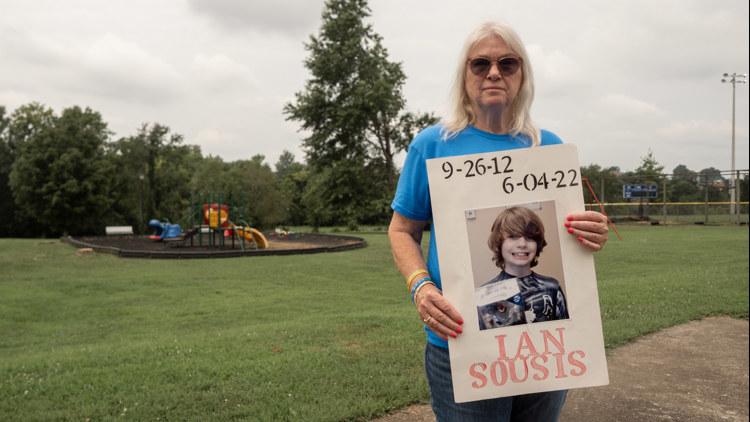
The IAN system became law on July 15, 2024, but it took an entire year before it was used for the first time. The name of the system honors Ian Sousis, a young boy who had a history of wandering away from home. Like 49% of young autistic children, Ian had a tendency to leave his environment without supervision. Tragically, he left a children's home in northern Kentucky on June 4, 2022, and later drowned in the Ohio River at the age of nine.
The Importance of Wandering Awareness
Wandering is a significant concern for families with autistic children. It poses risks that can lead to serious injuries or even death. For many parents, the fear of their child leaving home unattended is a constant worry. The IAN system was created to address this issue by providing a rapid response mechanism that can alert the community when a child goes missing.
While the initial implementation of the IAN system faced some challenges, it marks an important step forward in protecting vulnerable children. The system relies on local authorities to disseminate alerts quickly, encouraging the public to assist in the search for missing individuals. This approach leverages the power of community involvement, which can be critical in locating a child within a short timeframe.
Improvements and Future Steps
In light of the first use of the IAN system, officials are looking to refine the process further. One key area of focus is ensuring that all necessary details are included in the alerts. This includes physical descriptions, recent photos, and any relevant medical information. Providing this information can significantly increase the chances of a safe recovery.
Additionally, there is a need for ongoing training for dispatchers and emergency personnel involved in the process. Ensuring that they are well-prepared to handle these situations will help streamline the response and reduce the potential for errors. Training programs can also include scenarios that simulate real-life situations, allowing responders to practice their skills in a controlled environment.
Another aspect of improvement involves enhancing the technology behind the IAN system. By integrating advanced features such as geofencing and real-time tracking, the system can become more effective in locating missing children. These technologies can provide precise location data, enabling quicker responses and more targeted searches.
Community Involvement and Education
Community education is another essential component of the IAN system's success. Parents and caregivers should be informed about how the system works and what steps they can take if their child goes missing. Public awareness campaigns can help spread the word about the importance of vigilance and the role that everyone can play in keeping children safe.
Local schools, community centers, and healthcare providers can also serve as valuable resources for families. By offering workshops and informational sessions, these organizations can help educate the public on the signs of wandering and the best practices for preventing it. Additionally, support groups for families of autistic children can provide a platform for sharing experiences and strategies for managing the risks associated with wandering.
Conclusion
The IAN system represents a significant advancement in the efforts to protect autistic children who are prone to wandering. While the initial implementation had some shortcomings, it highlights the importance of continuous improvement and collaboration among various stakeholders. By focusing on training, technology, and community involvement, the system can evolve into a more effective tool for ensuring the safety of vulnerable children. As the system continues to develop, it has the potential to save lives and provide peace of mind to families across the country.

Post a Comment for ""I Love You Forever" Grandma Battles for IAN Alert Reform"
Post a Comment