Hurricane Katrina Myths Debunked in Nat Geo's 'Race Against Time' Ahead of 20th Anniversary
A New Perspective on Hurricane Katrina
It has been almost two decades since Hurricane Katrina reshaped the city of New Orleans, leaving a lasting impact on its residents and the nation as a whole. A new docuseries titled Hurricane Katrina: Race Against Time is now bringing attention to the resilience of those who survived the disaster while also highlighting the responsibility of mainstream media in accurately representing the events that unfolded.
During a panel at the 2025 Essence Fest, which has taken place in New Orleans for over three decades, director Traci A. Curry discussed the significance of the series. She emphasized that this is not just a re-examination of the natural disaster but an effort to address the ongoing effects it continues to have on the city and its people.
Holding the Media Accountable
Curry reflected on her own memories of watching the media coverage during the time of the hurricane. She pointed to a specific moment in Episode 4 where Wolf Blitzer remarked, “They’re so poor,” which stood out to her. This moment, she said, exemplifies the dehumanizing portrayal of the Black community in New Orleans during the crisis.
To counter this narrative, the series brings together individuals like General Russell L. Honoré and Kevin Goodman, a member of the Black Indians, to share their experiences. Their voices provide a more nuanced understanding of what it means to be a poor, Black person in New Orleans, emphasizing survival, resourcefulness, and strength.
The Story of Shelton Alexander
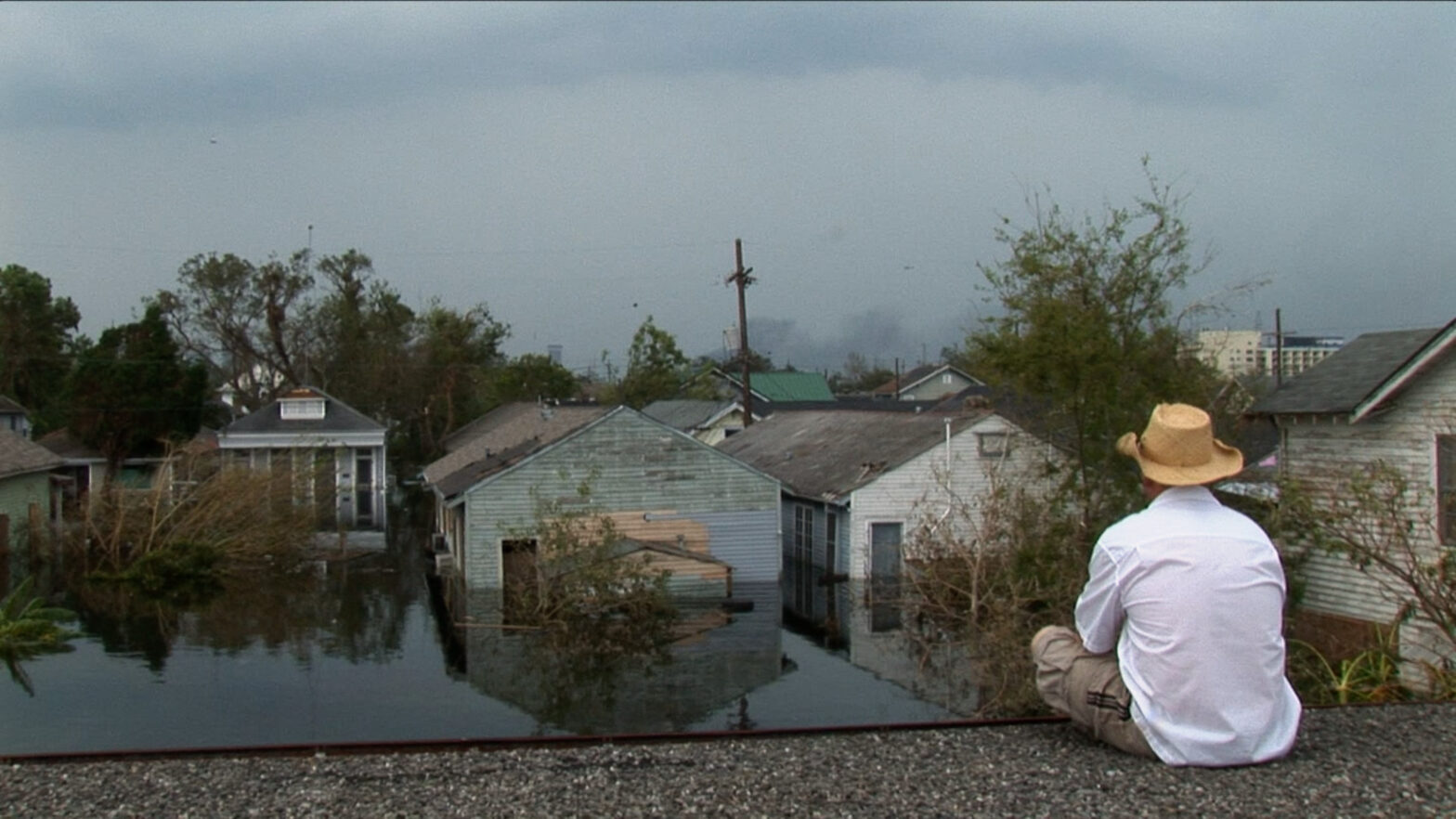
One of the most compelling figures in the series is Shelton Alexander, whose real-time footage is featured throughout the five episodes. Alexander, a survivor of the hurricane, has shared his story in various documentaries, including Premonition, A Poetic Storm, When the Levees Broke: A Requiem in Four Acts, and One Note at a Time.
Alexander described his experience as a spiritual journey. He explained that from the moment he started recording, he felt a divine purpose guiding him. “God knew I needed to get out there at a certain time,” he said. His footage captures the chaos, the heat, the smell, and the struggles, but also the moments of prayer and community support.
He added, “Once it got going, I was like, whoa, this is way bigger than me.” Alexander’s recordings not only document the physical challenges of the disaster but also the emotional and spiritual resilience of the people around him. He was able to save 20 people with him, thanks to his determination and faith.
Key Takeaways from the Docuseries
The series aims to challenge the prevailing media narrative that focused on violence and lawlessness following the hurricane. Curry stressed that while there were instances of opportunistic behavior, these were not representative of the overall response of the New Orleans community.
She highlighted the strong bonds of kinship and community that remained intact even in the most challenging circumstances. Whether in the Superdome, the Convention Center, or in Lucretia’s attic, the people of New Orleans demonstrated unwavering faith and solidarity.
Premiere Details and Availability
The first three episodes of Hurricane Katrina: Race Against Time will premiere on National Geographic starting July 27 at 8 p.m./7 p.m. Central. Episodes four and five will air on July 28. Additionally, all episodes will be available to stream on Disney+ and Hulu starting July 28.
This docuseries offers a powerful and necessary perspective on one of the most significant disasters in American history, reminding viewers of the strength, resilience, and humanity of the people of New Orleans.

Post a Comment for "Hurricane Katrina Myths Debunked in Nat Geo's 'Race Against Time' Ahead of 20th Anniversary"
Post a Comment