How Trump Enabled Netanyahu's Gaza Hunger Plan and Failed to Free Hostages
The Role of Trump and Netanyahu in Escalating the Gaza Crisis
In February 2025, U.S. President Donald Trump issued a stark warning to Hamas: release all Israeli hostages or face severe consequences. This ultimatum was intended to pressure Hamas into negotiating a deal that would bring the hostages home. However, nearly five months later, the situation in Gaza has worsened dramatically, with many lives lost and a humanitarian crisis unfolding.
As of mid-2025, only 26 Israeli citizens and five Thai citizens have been released from captivity in Gaza. Despite this, 50 hostages remain, with 20 believed alive and 30 presumed dead. If Israel had adhered to the terms of the January 2025 ceasefire agreement, these individuals could have been returned home long ago. The agreement, brokered by U.S. Middle East envoy Steve Witkoff, called for Hamas to release all remaining hostages at once, while Israel would withdraw its forces from Gaza and officially end the war.
Instead of following through on the agreement, Israeli Prime Minister Benjamin Netanyahu chose to break it. With support from Trump and Witkoff, he imposed new conditions on Hamas, proposing a temporary ceasefire in exchange for some hostage releases. This plan, which Netanyahu rebranded as "The Witkoff Plan," was rejected by Hamas, which insisted on fulfilling the original terms of the agreement.
This breakdown led Netanyahu to restart the war in Gaza in mid-March. More importantly, he also imposed a total blockade on humanitarian aid entering the enclave. For over two months, no food, medicine, or other essential supplies were allowed into Gaza. This was the "hell" Trump had promised — an intensified war zone with severe shortages, leaving the local population in dire straits.
The Gaza Humanitarian Foundation's Impact
Netanyahu’s strategy was to combine the war with a blockade to force Hamas into a breaking point, potentially provoking a civilian uprising against the group. This, he claimed, would lead Hamas to accept his revised terms. However, the result has been a humanitarian catastrophe.
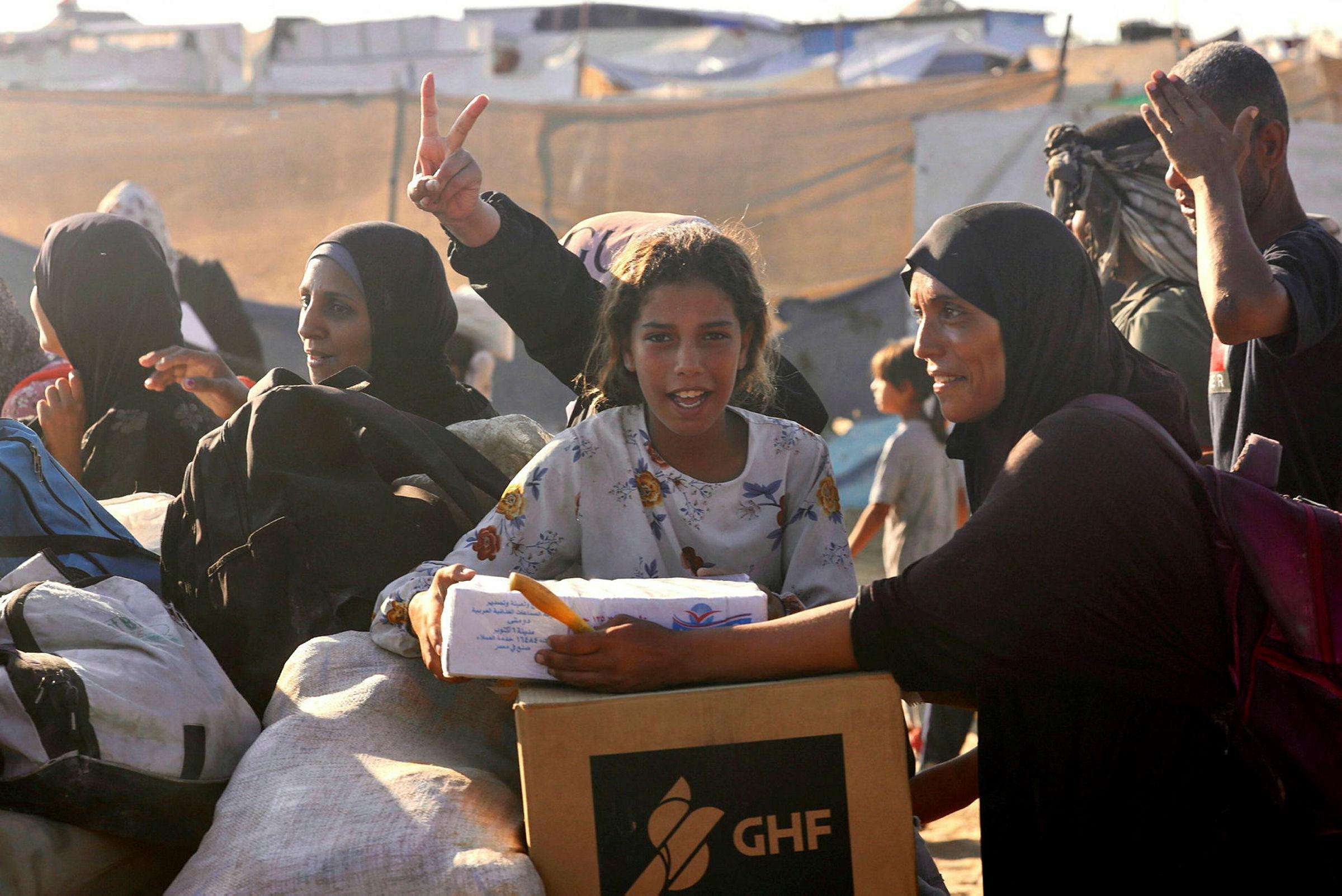
In response to mounting pressure, Netanyahu introduced the Gaza Humanitarian Foundation (GHF), established by the U.S., Israel, and evangelical Christian groups. The GHF was given control over several aid distribution points in southern Gaza, with the stated goal of averting a humanitarian disaster. However, its impact has been disastrous.
The GHF's arrival was celebrated by Israeli politicians who supported plans to concentrate the Gazan population in a small part of the Strip and eventually expel them. Finance Minister Bezalel Smotrich called the GHF's entry "the turning point in the war that will lead to victory." Despite this, the foundation has faced accusations of being complicit in plans to build "Humanitarian Transit Areas" inside and possibly outside Gaza, aiming to replace Hamas' control.
The GHF has vehemently denied involvement in such plans, claiming it has delivered 50 million meals and counting. However, reports indicate that Palestinians are still dying near aid distribution centers, and the situation in Gaza remains dire.
Global Backlash and New Developments
Amid growing global backlash, two significant developments occurred. First, after weeks of condemnation, the Netanyahu government agreed to allow significantly more humanitarian aid into Gaza, including the use of Israeli aircraft for airdrops. Second, Hamas raised its demands in ongoing hostage negotiations, insisting on the release of more Palestinian prisoners per Israeli hostage than in previous deals.
These developments highlight the broader reality of Netanyahu's failed policy. It has returned no living hostages, cost the lives of nearly 50 Israeli soldiers since the war resumed in March, led to the deaths of thousands of Palestinian civilians, and precipitated a full-blown humanitarian disaster. The consequences of this failure will haunt Israel for years.
The Need for Change
Nothing will change until there is a fundamental shift in strategy. Had Trump stood firm in March and insisted that Netanyahu move forward with phase two of the ceasefire agreement, secure the release of all hostages, and end the war, the current crisis might never have unfolded. Instead, Trump chose the language of threats and bravado, swayed by the false promises and manipulations of Netanyahu and his aides.
On Friday, Trump again threatened Hamas, claiming they didn’t want to make a deal and would have to finish the job. These comments come after Witkoff announced the U.S. was recalling its team from Israel-Hamas cease-fire negotiations, citing a "selfish" and unconstructive response from Hamas.
Until Trump and Witkoff advocate for a comprehensive, war-ending agreement that secures the return of all hostages, nothing will change. More civilians and soldiers will die; the hostages and their families will continue to suffer; and the risk of hunger and disease will continue to hover over the devastated Gaza.

Post a Comment for "How Trump Enabled Netanyahu's Gaza Hunger Plan and Failed to Free Hostages"
Post a Comment