How Tony Dalton is Changing the Landscape of Television Drama
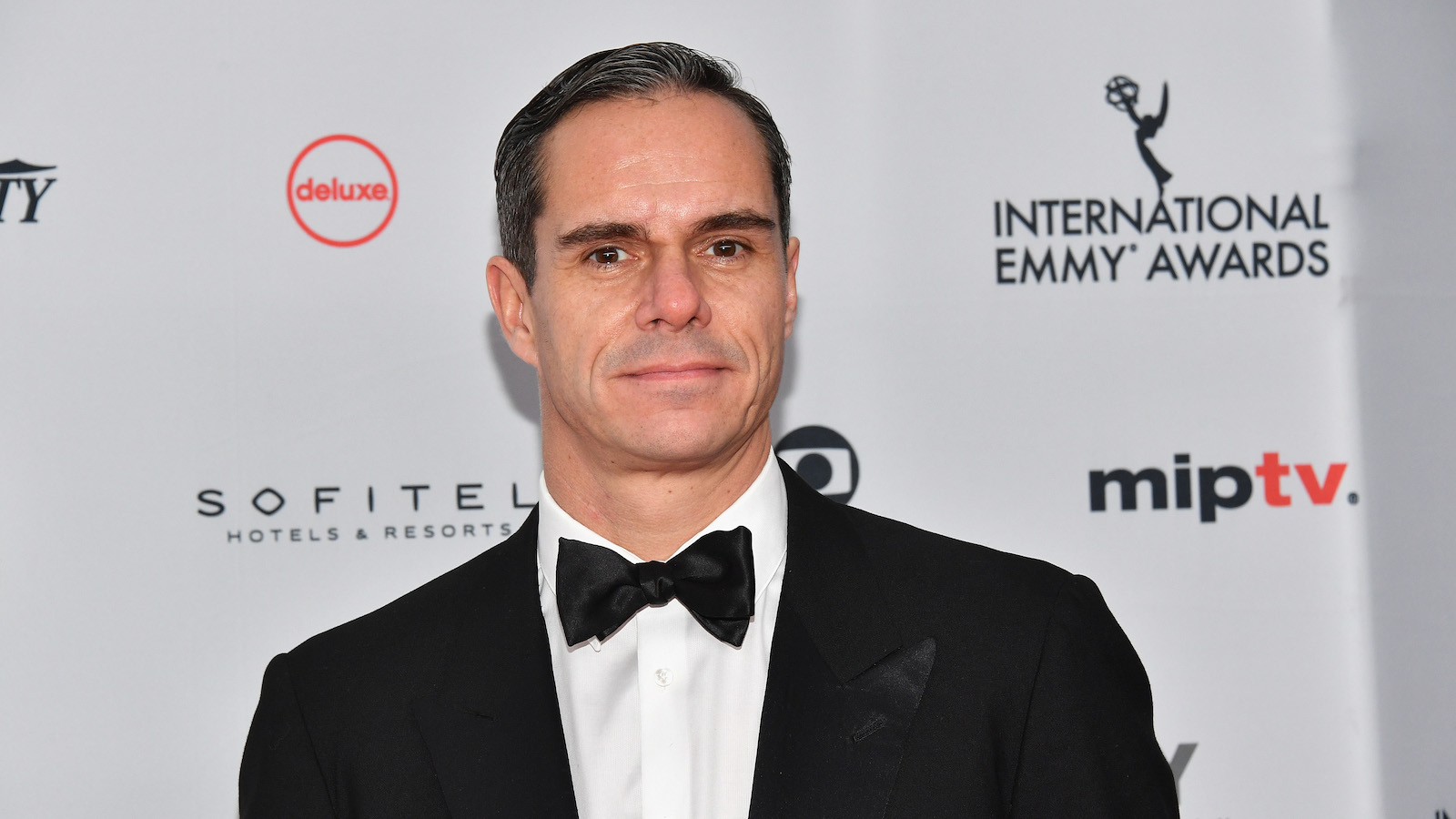
Tony Dalton: Redefining the Antihero in Television Drama.
Hey there, drama enthusiasts! Ever find yourself strangely drawn to the characters youknowyou shouldn't be rooting for? You know, the ones who bend the rules, make questionable choices, and generally operate in that deliciously gray area of morality? We've all been there. It's that magnetic pull of the antihero, and right now, Tony Dalton is arguably the master of it. We’re not talking about your typical "misunderstood good guy" antihero. Dalton brings something else, a certain… je ne sais quoi that’s reshaping how we view villains and morally ambiguous protagonists in television. Think about it: how many times have you groaned at a predictable plot twist, a cardboard-cutout villain, or a hero so squeaky clean they’re practically radiating disinfectant? TV drama, at times, can feel a bit… stale. But then, BOOM, an actor like Tony Dalton walks in and throws a wrench into the whole machine. He doesn't just play a role; he inhabits it, breathes life into it, and makes you question your own darn moral compass while you're at it. We're diving deep into how he's not just acting; he's actively changing the game. Ready to see how?
Tony Dalton: A Force Reshaping the Television Landscape
Television drama has long been a battleground of morality, showcasing characters ranging from the purely virtuous to the irredeemably evil. However, the most compelling narratives often reside in the gray areas, where characters grapple with complex choices and blurred lines. In recent years, Tony Dalton has emerged as a prominent figure in this landscape, his performances challenging conventional notions of heroism and villainy, and leaving an indelible mark on the way we perceive characters in television drama. We're going to explore how Dalton's approach to acting, his character choices, and the impact he has on the shows he appears in are actively shifting the boundaries of what we expect from our on-screen protagonists and antagonists. It’s not just about playing a bad guy; it’s about understanding the motivations, the vulnerabilities, and the sheer humanity that resides even within the most morally questionable individuals.
Deconstructing the Antihero: More Than Just a Bad Guy
The term "antihero" gets thrown around a lot these days, but Dalton’s work elevates the concept beyond mere rebellion or moral ambiguity. He delves into the psychology of his characters, revealing their inner conflicts, their vulnerabilities, and the circumstances that have shaped their actions. Think about Lalo Salamanca in "Better Call Saul." He’s a ruthless cartel enforcer, undeniably a "bad guy," but Dalton imbues him with a charm, a charisma, and even a sense of twisted loyalty that makes him captivating to watch. This isn’t just about making the villain likable; it’s about making himunderstandable. It’s about acknowledging the complexities of human nature and recognizing that even those who commit heinous acts are driven by their own internal logic and motivations. It's also important to mention his earlier work as Jack Raines in the HBO series, Sr. Avila. Dalton was nominated for an International Emmy for his role as a hitman who secretly manages his own team.
The Power of Nuance: Subverting Expectations
One of Dalton's greatest strengths is his ability to subvert expectations. He avoids falling into stereotypical portrayals of villains, instead opting for nuanced performances that challenge our preconceived notions. He might deliver a genuinely menacing threat with a disarming smile, or reveal a moment of unexpected vulnerability in the midst of a brutal act. This unpredictability keeps viewers on edge and forces them to confront their own assumptions about good and evil. Let's face it, friends, we're often spoon-fed narratives where the lines are clearly drawn. Dalton's characters force us to think, to question, and to grapple with the uncomfortable reality that people are rarely entirely good or entirely bad.
Dalton's Impact on Storytelling
Dalton's influence extends beyond his individual performances. His approach to character development and his willingness to embrace complexity has had a ripple effect on the storytelling landscape of television drama. Writers and showrunners are increasingly willing to explore morally ambiguous characters and narratives, knowing that audiences are receptive to these kinds of stories. This shift has led to a richer and more diverse range of characters on television, reflecting the complexities of the real world and challenging us to think critically about the choices we make and the values we hold. Here are some specific ways his impact is felt:
- Increased Complexity in Villain Portrayals: We’re seeing fewer one-dimensional villains and more characters with understandable (though not necessarily justifiable) motivations.
- Exploration of Moral Gray Areas: Shows are delving deeper into the consequences of morally ambiguous choices, rather than simply presenting black-and-white scenarios.
- Audience Engagement with Flawed Characters: Viewers are increasingly drawn to characters with flaws and imperfections, appreciating their authenticity and relatability.
- Greater Realism in Storytelling: By portraying characters with nuance and complexity, television drama is becoming more reflective of the complexities of human nature and the real world.
Lalo Salamanca: A Case Study in Antihero Excellence
Perhaps no role exemplifies Dalton's impact more than his portrayal of Lalo Salamanca in "Better Call Saul." Lalo is not a stereotypical drug lord; he's intelligent, charismatic, and possesses a disarmingly jovial demeanor. Yet, beneath the surface lies a ruthless and calculating killer. Dalton masterfully balances these contrasting qualities, creating a character that is both terrifying and captivating.
Consider the following aspects of Lalo's character:
- His Unpredictability: You never quite know what Lalo is going to do next, which makes him incredibly compelling to watch. He might be charming and affable one moment, and then switch to cold and menacing the next.
- His Intelligence: Lalo is not just a brute; he's a cunning strategist who is always several steps ahead of his adversaries.
- His Loyalty (Twisted as it May Be): He demonstrates a fierce loyalty to his family and the cartel, even if his methods are often brutal and uncompromising.
- His Sheer Charisma: Dalton imbues Lalo with a captivating charisma that makes him strangely likable, even as he commits heinous acts.
The Future of Television Drama: Embracing Complexity
Looking ahead, it seems clear that Tony Dalton's influence will continue to shape the landscape of television drama. As audiences become increasingly sophisticated and demand more complex and nuanced characters, actors like Dalton will be at the forefront of this evolution. We can expect to see more shows that explore moral gray areas, challenge our preconceived notions, and force us to confront the complexities of human nature. Friends, think about the implications! We're potentially entering a golden age of antiheroes, where the lines between good and evil are blurred, and the most compelling characters are the ones who force us to question our own values and beliefs. This doesn't mean that we'll only be seeing "bad guys" on television, but rather that even the "good guys" will be portrayed with greater depth and complexity, acknowledging their flaws and imperfections. We need nuanced and flawed characters to reflect that the world we live in isn’t so black and white.
Beyond the Screen: Dalton's Influence on the Audience
It's not just the television industry that's being impacted by Dalton's work; audiences are also being challenged to think differently about the characters they watch. By portraying morally ambiguous figures with such depth and nuance, Dalton is forcing viewers to confront their own assumptions about good and evil. We're encouraged to empathize with characters who make questionable choices, to understand their motivations, and to recognize the complexities of their situations. This can lead to a greater understanding of human nature and a more nuanced perspective on the world around us.
- Promoting Empathy: By humanizing morally ambiguous characters, Dalton encourages viewers to empathize with people who might be different from them.
- Challenging Assumptions: His performances force us to question our preconceived notions about good and evil, and to recognize that people are rarely entirely one or the other.
- Encouraging Critical Thinking: Dalton's work encourages viewers to think critically about the choices characters make and the consequences of their actions.
- Fostering Nuance: By embracing complexity, he helps us appreciate the nuances of human behavior and the complexities of the world around us.
The Rise of the Antihero: A Reflection of Our Times
The increasing popularity of antiheroes in television drama can be seen as a reflection of our times. In a world that is often complex and morally ambiguous, viewers are drawn to characters who grapple with the same kinds of challenges and dilemmas that they face in their own lives. These characters are not perfect, they make mistakes, and they often operate in the gray areas of morality. But they are also relatable, authentic, and ultimately human.
Think about the following factors contributing to the rise of the antihero:
- Erosion of Trust in Institutions: As trust in traditional institutions declines, people are increasingly drawn to characters who challenge authority and operate outside the established system.
- Increased Awareness of Social Injustice: The growing awareness of social injustice and inequality has led to a greater appreciation for characters who fight against the system, even if their methods are not always conventional.
- Desire for Authenticity: In a world that is often filled with artificiality and pretense, viewers are drawn to characters who are authentic, flawed, and relatable.
- Appreciation for Complexity: Audiences are increasingly sophisticated and demand more complex and nuanced characters who reflect the complexities of the real world.
Dalton's Legacy: A New Era of Television Drama
Tony Dalton is more than just an actor; he's a force reshaping the landscape of television drama. His nuanced performances, his willingness to embrace complexity, and his ability to subvert expectations have had a profound impact on the way we perceive characters and stories on television. He has inspired writers and showrunners to create more morally ambiguous narratives, and he has challenged audiences to think differently about the choices they make and the values they hold. As we move forward, it's clear that Dalton's legacy will continue to shape the future of television drama, ushering in a new era of complexity, authenticity, and moral ambiguity.
What Sets Dalton Apart?
So, what is it about Tony Dalton that makes him such a game-changer? It's not just about talent (though he clearly has that in spades). It's about a unique combination of factors:
- Fearless Choices: He's not afraid to take on roles that are challenging or morally ambiguous.
- Deep Character Work: He invests deeply in understanding the motivations and psychology of his characters.
- Natural Charisma: He possesses an undeniable charisma that draws viewers in, even when he's playing a villain.
- Commitment to Authenticity: He strives to create characters that are believable and relatable, even in extraordinary circumstances.
Tony Dalton's influence isn't just about individual performances; it's about a broader shift in how we tell stories on television. He's helping to create a landscape where complexity is embraced, moral ambiguity is explored, and the lines between good and evil are blurred. And that, friends, is a truly exciting prospect for the future of television drama.
Frequently Asked Questions About Tony Dalton's Impact
Let's tackle some common questions about Tony Dalton and his influence on television.
Q: Is Tony Dalton always playing villains?
A: Not necessarily! While he's known for his memorable villainous roles, particularly Lalo Salamanca, Dalton has played a variety of characters throughout his career. However, he seems to excel at portraying morally complex individuals, regardless of whether they're technically "good" or bad.
Q: What makes Lalo Salamanca such a compelling character?
A: Lalo is a compelling character because he defies expectations. He's charming, intelligent, and even likable at times, but beneath the surface lies a ruthless killer. This combination of qualities makes him unpredictable and captivating to watch.
Q: How has Tony Dalton influenced other actors?
A: While it's difficult to quantify direct influence, Dalton's success in portraying complex and morally ambiguous characters has likely inspired other actors to take on similar roles. His work demonstrates that audiences are receptive to nuanced portrayals of flawed individuals.
Q: What's next for Tony Dalton?
A: That's the million-dollar question! Given his talent and versatility, the possibilities are endless. It will be exciting to see what roles he chooses next and how he continues to shape the landscape of television drama.
Conclusion: The Dalton Effect
In summary, Tony Dalton's contributions to television drama extend far beyond simply playing roles. He is actively reshaping the landscape by embracing complexity, challenging conventional notions of heroism and villainy, and inspiring writers and audiences alike. His nuanced performances, particularly as Lalo Salamanca, have demonstrated the power of morally ambiguous characters to captivate and engage viewers. He’s setting a new standard and leaving a lasting impact on the way stories are told on screen. He’s not just an actor; he’s a trendsetter. He's pushing the boundaries of what we expect from our on-screen characters and narratives. He's demonstrating that audiences are hungry for stories that reflect the complexities of the real world, and he's inspiring others to embrace complexity and moral ambiguity in their own work. So, friends, let's take a moment to appreciate the artistry and influence of Tony Dalton. He's not just entertaining us; he's challenging us to think differently, to empathize with others, and to appreciate the nuances of the human experience.
Now, after diving into the world of Tony Dalton and his impact, what's your take? Which of his characters resonated with you the most, and how do you see his influence shaping the future of television? Share your thoughts, and let's keep the conversation going!

Post a Comment for "How Tony Dalton is Changing the Landscape of Television Drama"
Post a Comment