How to Keep Birdseed Fresh and Store It Properly
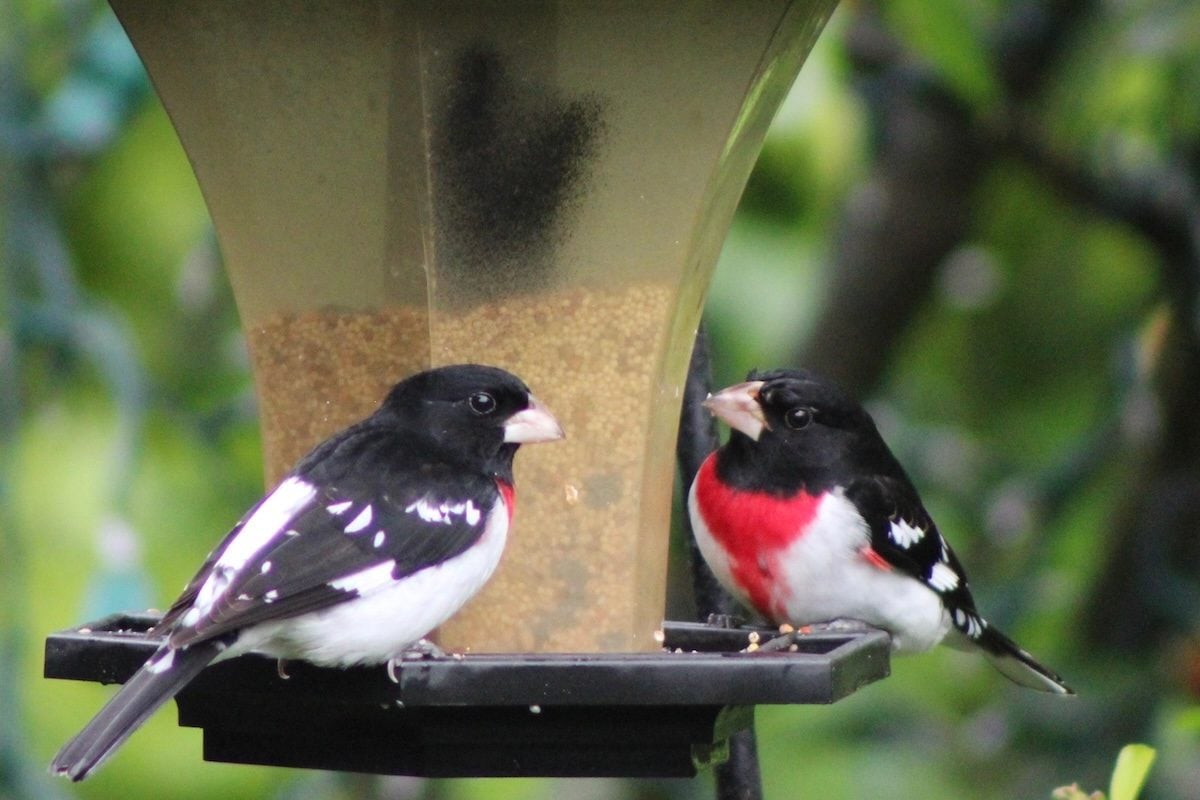
Tips for Storing Birdseed Effectively
Keeping your bird feeders stocked is a rewarding way to support local wildlife, but it also requires careful planning and maintenance. The more birds that visit your feeders, the more frequently you’ll need to refill them. Buying birdseed in bulk can be a smart choice, as it saves money and reduces trips to the store. However, proper storage is essential to ensure the seed stays fresh and free from pests.
Inspect Seed Bags for Dust
When shopping for birdseed, take a moment to inspect the bags. Avoid purchasing dusty or old-looking packages, as they may be close to expiring. Fresh seed is not only better for the birds but also less likely to attract unwanted pests.
Choose Seeds with Hulls
Opt for seeds that come with hulls, such as black oil sunflower seeds. These seeds tend to stay fresh longer, especially during hot summer months. Birds are usually happy to work for their food, so the extra effort isn’t a problem.
Keep Birdseed Cool and Dark
Storing birdseed in a cool, dark place helps maintain its quality. Emma Greig, project leader at the Cornell Lab of Ornithology’s Project FeederWatch, recommends keeping seeds in a basement or buying smaller quantities during the summer. This minimizes the risk of spoilage and keeps the seed viable for longer.
Store in Airtight Containers
An airtight container is crucial for protecting birdseed from insects and rodents. Use a large plastic tub or a metal garbage can with a tight lid to keep your seed safe. This also helps maintain cleanliness around your feeding area and ensures the birds have access to healthy food.
Freeze for Long-Term Storage
Freezing birdseed can extend its shelf life significantly. Emma estimates that seeds can last up to one year when stored properly in a freezer. You can freeze whole bags or divide them into smaller portions using freezer-safe bags. Suet cakes should also be stored in the freezer, but avoid feeding them during the hottest months of the year, as they can spoil quickly.
Clean Feeders Frequently
Regular cleaning of bird feeders is key to preventing mold and bacterial growth. At a minimum, clean your feeders once per season, but hummingbird feeders should be cleaned more often—every week during peak seasons. Use a mixture of water and bleach (9 parts water to 1 part bleach) along with a stiff brush to scrub them thoroughly. Rinse well and allow them to dry before refilling.
Avoid Moldy Thistle Seed
Nyjer thistle seed is prone to mold, especially if it's new to a feeder. To prevent this, fill finch feeders only halfway and clean them regularly. This helps reduce the chances of mold forming and keeps the food fresh for longer.
Try a Sniff Test
Before refilling your feeders, give the seed a quick sniff. Spoiled seed often has an off-putting odor, and if it smells bad to you, the birds will likely avoid it too.
Boil Sugar Water for Hummingbirds
If you’re making sugar water for hummingbirds, boiling it first can help extend its freshness. Store the mixture in the refrigerator and replace it every few days to ensure it remains safe for the birds.
Monitor Feeder Activity
Keep an eye on which feeders are being used the most. If one feeder is consistently empty while another remains full, the untouched seed may have spoiled or the birds may have moved on. Refreshing the seed can encourage continued visits.
Add More Feeders
Crowded feeders can lead to messiness and stress among birds. If one feeder is constantly being mobbed, consider adding another. This distributes traffic more evenly and helps maintain a cleaner feeding environment.
Refill After Rain or Snow
Birds avoid soggy or damp food, so it’s important to refill feeders after rain or snowfall. If possible, position feeders under shelter to protect them from the elements. If not, make sure to clean them out after each storm to prevent mold growth.
Deal with Weevils
Weevils and other pests can infest birdseed, even if it’s stored in a sealed container. If you notice small black insects, they may be grain weevils, which are common in old or low-quality seed. To prevent this, always store seed in metal containers with tight lids and purchase from reputable sources. Infested seed should be discarded, as it may be old or moldy.
By following these tips, you can ensure your birdseed stays fresh, safe, and appealing to the birds in your backyard. With proper care and attention, your feeding station will continue to be a welcoming spot for local wildlife.

Post a Comment for "How to Keep Birdseed Fresh and Store It Properly"
Post a Comment