How a routine drug case could determine Alina Habba's future as U.S. attorney
A Legal Challenge to the U.S. Attorney’s Authority
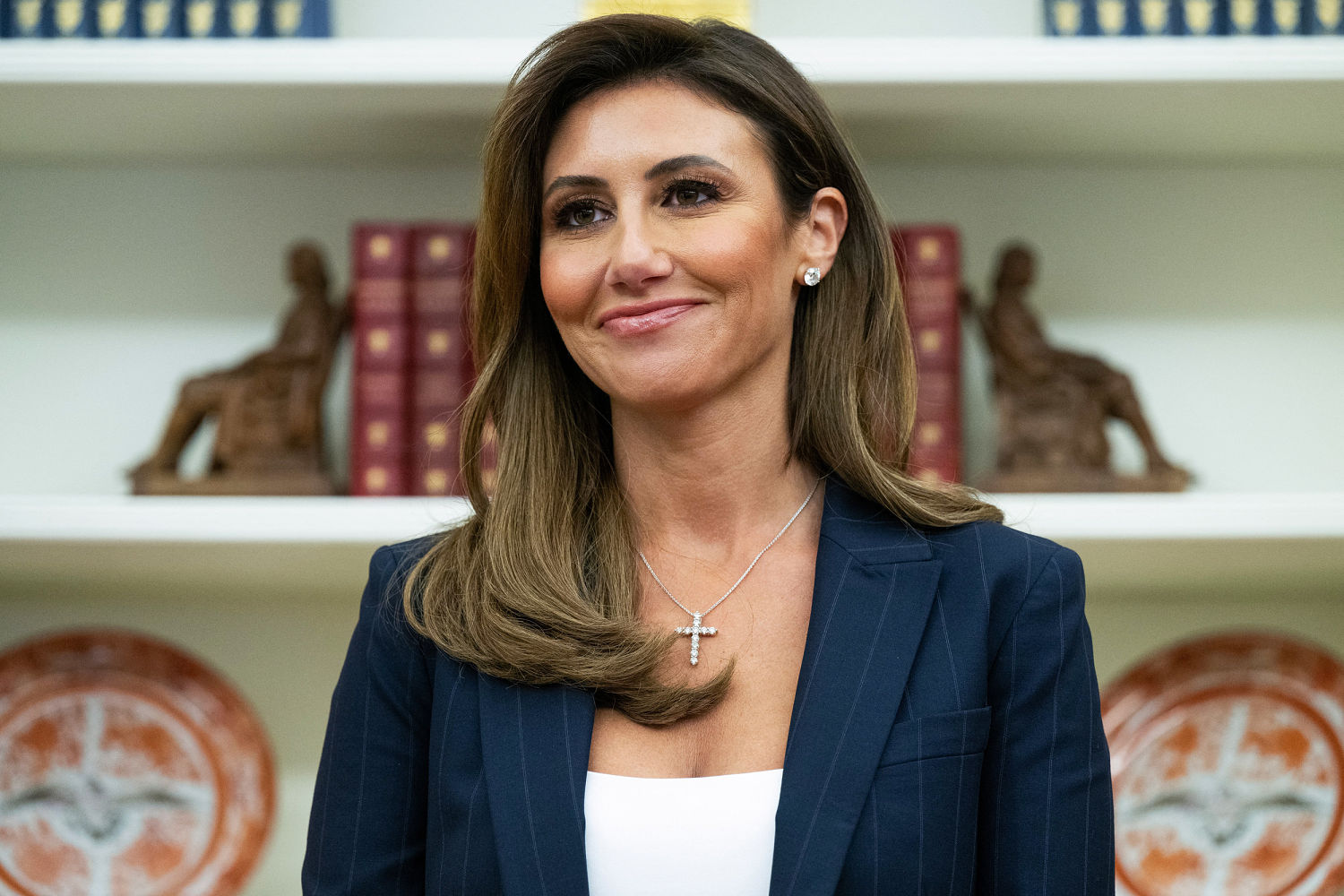
When Julien Giraud Jr. was federally indicted on drug and gun charges in New Jersey, he likely didn’t expect his case to become a test of the legal legitimacy of Alina Habba’s role as U.S. attorney. However, this is exactly what has happened. Giraud’s defense team is now arguing that Habba is not lawfully serving in her position, which could mean that the office she leads lacks the authority to prosecute him. This issue could have far-reaching implications beyond just one case.
The challenge involves complex legal questions about federal law and how vacancies in positions like U.S. attorney are filled. Understanding the background requires some attention to detail. Habba had been serving as a temporary U.S. attorney since March, but her temporary appointment expired this month without Senate confirmation for a permanent role. In response, New Jersey’s federal judges appointed another prosecutor, Desiree Leigh Grace, as the interim U.S. attorney. However, the Trump administration attempted to remove Grace, and President Donald Trump withdrew his nomination of Habba. She then technically resigned, but the administration reinstalled her through another method, allowing her to continue serving as acting U.S. attorney.
This situation has led to a legal battle over whether Habba’s reappointment violated federal law. Giraud’s lawyer, Thomas Mirigliano, filed a motion ahead of the trial, arguing that Habba’s reappointment was unlawful because Trump initially submitted her nomination to the Senate, which prevents her from serving in an acting capacity regardless of whether the nomination was later withdrawn. He claimed that being prosecuted by an unauthorized U.S. attorney violates his due process rights and asked the court to dismiss the indictment or prevent Habba or any prosecutor under her authority from proceeding with the case.
The complexity of the situation has caused disruptions in federal court proceedings across New Jersey. The New York Times reported that several cases were abruptly canceled due to uncertainty about Habba’s authority. Habba is one of several lawyers who represented Trump and later took high-ranking roles in the Justice Department during his second term.
In response to Giraud’s motion, the chief judge of the U.S. Court of Appeals for the 3rd Circuit, which covers New Jersey and nearby states, assigned Pennsylvania’s chief federal trial judge, Matthew Brann, to handle the matter. This decision was made under a law that allows chief circuit judges to temporarily assign district judges to handle cases in the interest of justice.
Interestingly, the 3rd Circuit is also involved in another case involving Emil Bove, a Trump personal lawyer who became a DOJ official. Bove is currently awaiting Senate confirmation, and several whistleblowers have raised concerns about his conduct at the DOJ and his truthfulness during his confirmation hearing.
The Department of Justice (DOJ) has opposed Giraud’s motion, stating that Habba is lawfully in her role and that even if she weren’t, there would be no basis for dismissing the indictment or stopping other prosecutors from participating in the case. The DOJ has requested that the motion be denied and the case be returned to Judge Edward Kiel in New Jersey.
Brann has scheduled a status conference with the parties to take place on Tuesday afternoon. This meeting could provide clarity on the direction of the case. Whatever happens at the trial court level may not be the final word on this significant and complicated issue, suggesting that this legal battle could continue for some time.
This case highlights the intricate nature of federal law and the potential impact of political appointments on the judicial system. As the legal proceedings unfold, the outcome could set important precedents for future cases involving the authority of U.S. attorneys and the procedures for filling vacant positions.

Post a Comment for "How a routine drug case could determine Alina Habba's future as U.S. attorney"
Post a Comment