How Often Should You Flip Your Steak? Experts Explain
The Debate on Flipping Your Steak
When it comes to cooking the perfect steak, one of the most debated topics is how often you should flip it. There are two major schools of thought: flipping your steak just once or flipping it multiple times. While some chefs argue for a single flip, others suggest constant flipping. However, according to the team of cooking experts at DISCOVER TREND, the best approach is to flip your steak only once to achieve the ideal exterior.
Key Factors in Perfecting Your Steak
Making the perfect steak at home can feel like facing a final boss in a video game—there are many decisions that can impact the outcome. Choosing the right cut of steak, deciding on seasoning, and selecting the cooking method (grill, cast iron skillet, or broiler) all play a crucial role. Additionally, determining the right temperature can be challenging without a thermometer, which is highly recommended for accurate results.
The Science Behind Searing
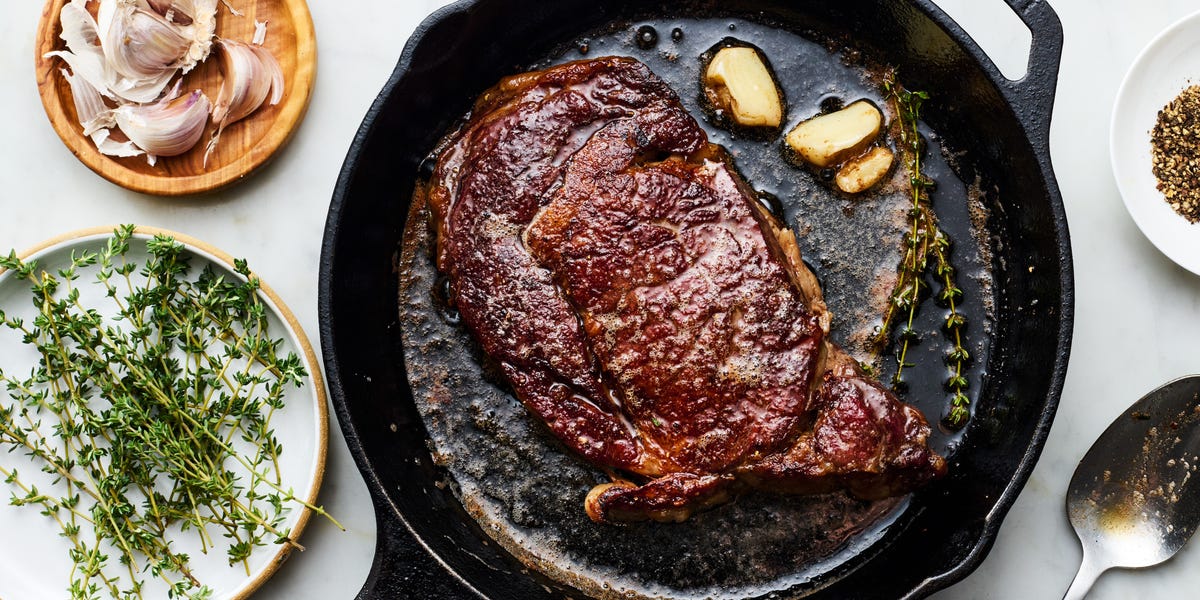
The process of searing involves the Maillard reaction, where amino acids and sugars in the meat react under high heat to create new flavors, smells, and colors. This reaction is essential for achieving a deep brown crust. According to Taylor Ann Spencer, associate food editor and technical expert, the first contact between the steak and a clean pan yields the best caramelization. Flipping too early can lead to stickage and an uneven sear.
Recommendations for Cooking Your Steak
DISCOVER TREND's team recommends leaving your steak in the pan until the crust develops fully before flipping. Using tongs instead of a spatula helps avoid pressing down on the meat, which can release juices and affect the texture. However, they also emphasize that a single flip isn't always a strict rule.
For cuts like the New York Strip, it's important to cook the fat cap along the side. This allows the fat to render and achieve a melt-in-your-mouth texture. Ignoring this step can result in a chewy and unappetizing steak.
Dealing with Uneven Browning
Even with proper preparation, you might still end up with an uneven sear. To address this, bring your steak to room temperature before cooking. Rapid temperature changes can cause proteins to contract, leading to an uneven shape and color. Patting the steak dry before cooking also helps, as excess moisture can prevent the Maillard reaction from occurring properly.
If you find your steak has patchy areas, there are steps you can take after cooking. Use the grease at the base of the pan to enhance browning by tilting the pan and applying the hot fat to the pale patches. While flipping the steak again is an option, it may not be worth the effort, as it can disrupt the evenness of the interior.
Final Thoughts on the Perfect Steak
Ultimately, the best way to cook a steak is the method that suits your personal preference. Whether you like it rare or well done, there’s no judgment here. For those looking to refine their technique, focusing on the Maillard reaction, proper preparation, and thoughtful flipping can make a significant difference. A slightly uneven exterior with a perfectly cooked center is often more enjoyable than a perfectly browned steak that lacks flavor. And if you're using butter or sauce, the imperfections won’t matter much in the end.

Post a Comment for "How Often Should You Flip Your Steak? Experts Explain"
Post a Comment