How Joe Biden is Shaping America's Foreign Relations in 2025
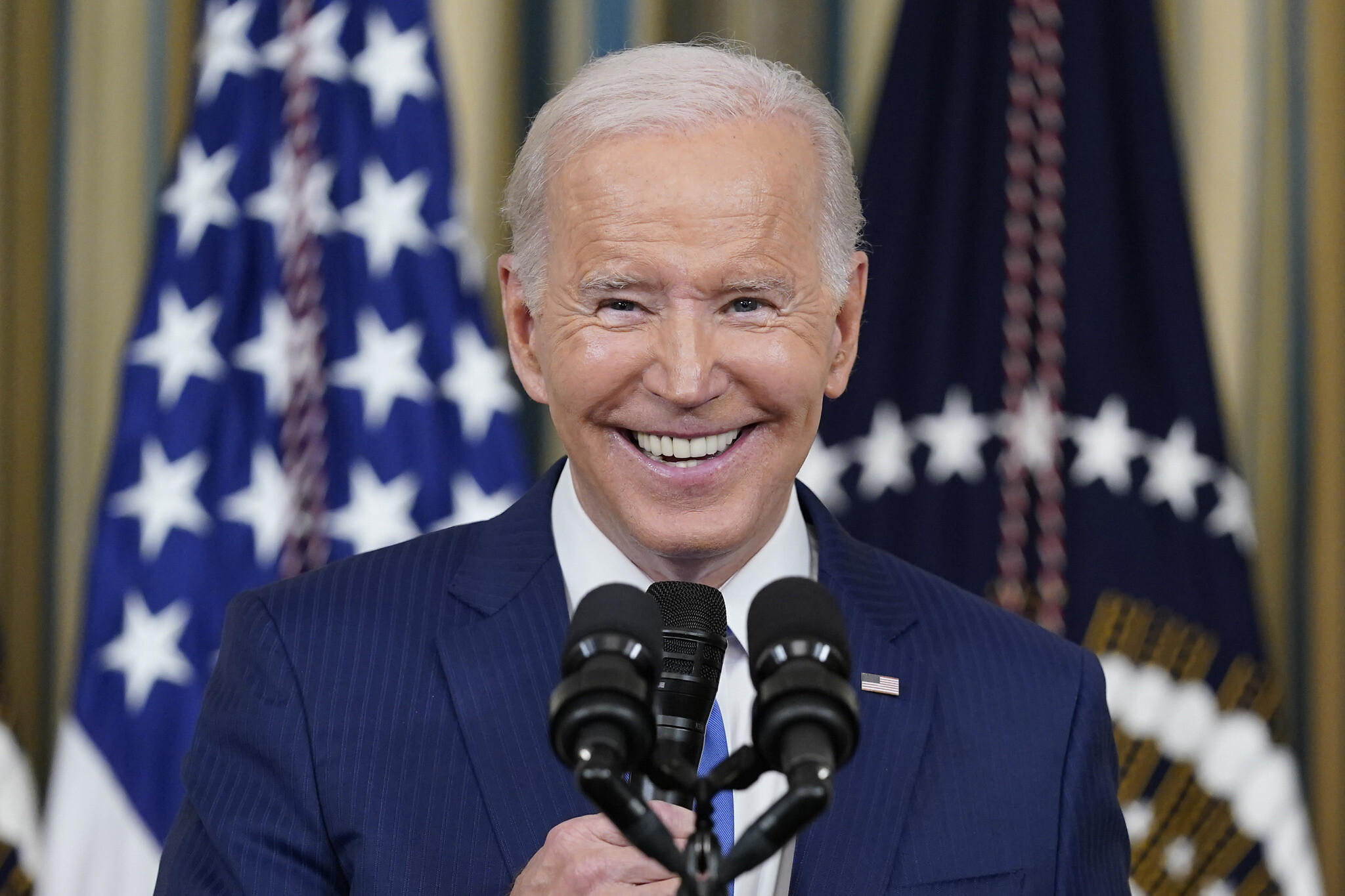
Biden's Foreign Policy: A Glimpse into 2025's Global Landscape
Hey friends! Ever feel like keeping up with global politics is like trying to herd cats? One minute everything seems calm, and the next, there's a geopolitical fur ball flying across the room. Let's be honest, understanding foreign policy can seem like deciphering ancient hieroglyphics. You hear about alliances, trade deals, and summits, but it's hard to see how it all connects to your everyday life. Think about it: the price of gas, the availability of your favorite tech gadgets, even the stability of your investments – they're all subtly influenced by decisions made on the international stage.
Now, consider Joe Biden's approach to foreign relations. Remember the "America First" era? Well, Biden’s taken a sharp turn away from that. Instead of going it alone, his administration emphasizes alliances and multilateralism – basically, working with other countries to tackle global problems. Think of it as building a team to solve a really complex puzzle, rather than trying to do it all yourself. He argues that global challenges like climate change, pandemics, and economic instability require coordinated efforts. Interesting fact: did you know that the US rejoined the Paris Agreement on climate change on Biden's first day in office? Talk about setting a tone!
But here's the thing: navigating the world stage in 2025 is going to be anything but a walk in the park. We're facing a resurgent China, a complex relationship with Russia, ongoing conflicts in various regions, and the ever-present threat of terrorism. Plus, technological advancements are changing the game, creating new opportunities and new risks. So, how is Biden shaping America's foreign policy to navigate this complex landscape? What strategies is he employing to protect U.S. interests, promote democracy, and maintain global stability? Stick around, because we're about to dive deep into the key areas that will define America's foreign relations in 2025, and trust me, it's more fascinating than you might think!
How Joe Biden is Shaping America's Foreign Relations in 2025
Alright, friends, let’s unpack how President Biden is positioning the U.S. on the global chessboard for 2025. It’s not just about reacting to crises; it’s about proactively shaping the future. We’re talking about long-term strategies designed to safeguard American interests while fostering a more stable and cooperative world.
Rebuilding Alliances and Partnerships
Biden's core strategy hinges on the idea that America is stronger when it works with its allies. Think of it like this: trying to move a heavy couch by yourself versus having a few friends help out. It's much easier, right? Here’s how this plays out:
• Strengthening Transatlantic Ties: After a period of strain, Biden has prioritized repairing relationships with key European allies. Regular summits, coordinated sanctions against Russia, and joint efforts to combat climate change demonstrate this commitment. The goal is to create a united front on issues ranging from trade to security. For example, the U.S. and the EU are working together on tech regulations to counter China's growing influence in the digital realm.
• Deepening Engagement in Asia: Recognizing the growing importance of the Indo-Pacific region, Biden has strengthened alliances with countries like Japan, South Korea, and Australia. The Quad (Quadrilateral Security Dialogue) – comprising the U.S., Japan, India, and Australia – is a key mechanism for cooperation on maritime security, counter-terrorism, and vaccine distribution. The AUKUS security pact (Australia, UK, US) further demonstrates a commitment to the region, though it has also ruffled some feathers, particularly with France.
• Investing in Multilateral Institutions: Biden has rejoined international organizations like the World Health Organization (WHO) and the Paris Agreement, signaling a commitment to addressing global challenges through collective action. The U.S. is also actively involved in reforming these institutions to make them more effective and responsive to current needs. This includes pushing for greater transparency and accountability within the UN system and working with other countries to address the financial challenges facing the WHO.
Confronting China's Rise
China's growing economic and military power presents both opportunities and challenges for the United States. Biden's approach is multifaceted:
• Competition and Cooperation: The U.S. is engaging in strategic competition with China in areas such as trade, technology, and military power. This includes investing in domestic industries to enhance competitiveness, imposing export controls on sensitive technologies, and strengthening its military presence in the Indo-Pacific. However, the U.S. is also seeking cooperation with China on issues where interests align, such as climate change and global health. For example, despite tensions on other fronts, the U.S. and China have engaged in discussions on reducing greenhouse gas emissions.
• Defending Human Rights and Democracy: The Biden administration has been vocal in its criticism of China's human rights record, particularly in Xinjiang and Hong Kong. The U.S. has imposed sanctions on Chinese officials responsible for human rights abuses and has called for greater international scrutiny of the situation. The U.S. is also working to support democratic values and institutions in the Indo-Pacific region, through initiatives such as the Summit for Democracy.
• Managing Taiwan: The U.S. maintains a policy of "strategic ambiguity" regarding Taiwan, meaning it does not explicitly state whether it would intervene militarily if China were to attack. However, the Biden administration has reiterated its commitment to providing Taiwan with the means to defend itself and has warned China against any unilateral attempts to change the status quo. The U.S. has also increased its military presence in the region to deter aggression.
Dealing with Russia's Aggression
Russia continues to be a major challenge for U.S. foreign policy. Biden's approach involves:
• Deterrence and Dialogue: The U.S. is working to deter further Russian aggression through a combination of military deployments, economic sanctions, and diplomatic pressure. This includes strengthening NATO's military presence in Eastern Europe and providing military assistance to Ukraine. However, the U.S. is also seeking dialogue with Russia on issues of mutual interest, such as arms control and cybersecurity. For example, the U.S. and Russia have held talks on extending the New START treaty, which limits the number of nuclear weapons each country can possess.
• Supporting Ukraine: The U.S. has provided significant military and economic assistance to Ukraine to help it defend itself against Russian aggression. The U.S. has also imposed sanctions on Russian individuals and entities involved in the conflict. The goal is to help Ukraine maintain its sovereignty and territorial integrity and to deter further Russian aggression.
• Countering Disinformation: The U.S. is working to counter Russian disinformation campaigns, which aim to undermine democratic institutions and sow discord within Western societies. This includes working with social media companies to remove fake accounts and content, as well as providing support to independent media organizations that report on Russian activities.
Addressing Global Challenges
Beyond these major power dynamics, Biden is also focused on addressing global challenges that require international cooperation:
• Climate Change: The U.S. has rejoined the Paris Agreement and has set ambitious goals for reducing greenhouse gas emissions. The U.S. is also working with other countries to accelerate the transition to a clean energy economy and to provide financial assistance to developing countries to help them adapt to the impacts of climate change.
• Global Health: The U.S. is working to strengthen global health security and to prevent future pandemics. This includes investing in research and development of vaccines and treatments, as well as strengthening public health systems in developing countries. The U.S. is also working with other countries to improve pandemic preparedness and response.
• Economic Recovery: The U.S. is working with other countries to promote a strong and sustainable global economic recovery from the COVID-19 pandemic. This includes supporting international financial institutions, such as the World Bank and the International Monetary Fund, as well as promoting trade and investment.
In essence, Biden's foreign policy is a balancing act – navigating complex relationships, competing with rivals, and cooperating on shared challenges. It's a shift away from unilateralism towards a more collaborative approach, one that recognizes the interconnectedness of the modern world. Whether this approach will be successful in achieving its goals remains to be seen, but it certainly sets the stage for a very interesting few years in global affairs.
Questions and Answers
• How is the Biden administration balancing competition with China and cooperation on global issues like climate change?
The Biden administration is trying to walk a tightrope. They compete with China on trade and technology, but also seek common ground on issues like climate change where cooperation is essential. It’s a delicate balancing act, trying to address disagreements while working together on shared challenges. Think of it as two rival companies who both realize they need to clean up the local river – they might still compete in the marketplace, but they can cooperate on environmental protection.
• What are the key differences between Biden's foreign policy approach and the previous administration's "America First" policy?
The biggest difference is the emphasis on alliances. "America First" prioritized unilateral action, while Biden stresses multilateralism and working with allies. It’s like the difference between a lone wolf and a team player. Biden believes that global challenges are best addressed through collective action, while the previous administration favored a more independent approach.
• How is the war in Ukraine impacting Biden's foreign policy agenda and priorities?
The war in Ukraine has become a central focus, demanding significant attention and resources. It has strengthened alliances, particularly within NATO, and has led to increased military spending and sanctions against Russia. It’s like a sudden fire – it demands immediate attention and forces you to re-prioritize everything else.
• What are some potential challenges or obstacles that Biden's foreign policy might face in the coming years?
Several challenges loom large. These include a potential resurgence of isolationist sentiment in the U.S., the rise of nationalism in other countries, and the increasing complexity of global issues like cybersecurity and climate change. It’s like navigating a ship through a storm – unpredictable waves and hidden dangers can throw you off course at any moment.
So, there you have it, friends! A glimpse into how Joe Biden is shaping America's foreign relations in 2025. As you can see, it's a complex and ever-evolving landscape, full of challenges and opportunities. Understanding these dynamics is crucial for anyone who wants to make sense of the world around them.
In summary, we've explored how Biden is revitalizing alliances, confronting China and Russia, and addressing global challenges like climate change and pandemics. His strategy hinges on cooperation and multilateralism, a stark contrast to the previous administration's approach.
Now, I encourage you to stay informed! Follow reputable news sources, engage in discussions, and let your representatives know your thoughts on these important issues. Your voice matters! Learn more about foreign policy and discuss with others! Share this article on your social media!
Remember, understanding foreign policy isn't just for politicians and diplomats – it's for all of us. The world is interconnected, and the decisions made on the global stage impact our lives in countless ways. So, stay curious, stay engaged, and let's work together to build a more peaceful and prosperous world. Isn't it time we all became a bit more globally aware?

Post a Comment for "How Joe Biden is Shaping America's Foreign Relations in 2025"
Post a Comment