How Glass Shape Affects Your Drink's Taste
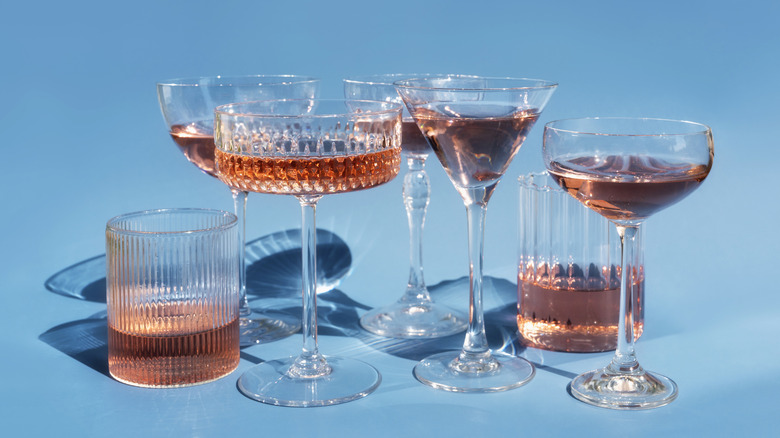
The Science Behind the Glass: How Drinking Vessels Impact Your Sip
When it comes to enjoying a well-crafted cocktail or a fine spirit, the glass you use plays a far more significant role than most people realize. While many might dismiss the choice of glassware as a matter of aesthetics, there's actually a strong scientific basis for why certain shapes and sizes enhance the drinking experience.
Chemical engineer and creator of the blog NEAT, Robyn Smith, has explored this topic in depth. She explains that the shape of the glass directly affects how we perceive the flavors and aromas of alcoholic beverages. "Glass shape controls how volatile aroma compounds evaporate, accumulate, and reach your nose," she notes. Since our sense of smell is closely linked to taste, the aromas from the drink can influence how it tastes before it even touches your tongue.
This is especially true for straight spirits like whiskey, where subtle and complex flavor notes are key. The design of the glass can either amplify or mute these characteristics. For instance, a narrower rim helps trap and funnel aroma molecules, creating a more concentrated and layered olfactory experience. On the other hand, a wider opening allows volatile compounds—like ethanol—to dissipate more quickly, which may soften harshness but also reduce complexity.
The Glencairn Glass: A Tasting Classic
If you ever have the chance to visit a distillery and participate in a tasting, you’ll likely be served samples in a Glencairn glass. This specific design starts narrow at the base, widens around the liquid, and narrows again at the rim. This shape is ideal for capturing and directing the aromas of the spirit toward the nose, enhancing the overall sensory experience.
Choosing the Right Glass for Your Cocktail
Understanding the science behind glassware can help you choose the right vessel for each drink. For stronger, spirit-forward cocktails like an old fashioned, a wide rocks glass or an old fashioned glass is ideal. The wide rim allows the harsh alcohol vapors to escape while letting the aromatics from bitters, citrus, and sugar expand on the palate.
Similarly, when serving a classic martini, the design of the glass matters significantly. A martini should be served neat—without ice—which means the stem of the glass plays a crucial role. Holding the glass by the stem prevents your hands from warming the drink, preserving its intended temperature and flavor profile. Even a slight increase in warmth can alter the taste, making the difference between a refreshing sip and a less enjoyable experience.
The Importance of Volume
Another common mistake is not considering the volume of the glass. An old fashioned is typically only about two fluid ounces, so using anything taller than a rocks glass can make the drink look underwhelming. Similarly, the success of a simple gin and tonic depends heavily on the size of the glass. A standard pour of one and a half ounces of liquor requires the right amount of tonic water to balance the flavors, and this ratio can be affected by the size of the glass used.
Final Thoughts
Whether you're sipping on a single malt or mixing up a classic cocktail, the glass you choose can significantly impact the experience. From the shape and size to the material and design, every detail plays a role in how the drink is perceived. So next time you're pouring a drink, take a moment to consider the glass—it might just be the key to unlocking the full flavor potential of your favorite beverage.

Post a Comment for "How Glass Shape Affects Your Drink's Taste"
Post a Comment