Hopeful for the Future: Montpelier Revives Floodplain as New Defense
Montpelier Begins Floodplain Restoration to Enhance Future Resilience
Montpelier, the capital city of Vermont, has initiated a significant project aimed at improving long-term flood preparedness. This effort focuses on restoring floodplains as an essential layer of protection against future flooding events. The initiative reflects a growing commitment among local leaders and community members to build a more resilient future.
Ben Doyle, president of the Preservation Trust of Vermont and a city councilor for Montpelier, expressed optimism about the project. “We're hopeful for the future,” he said. “There are lots of hard conversations and hard work that need to be done in order to make Montpelier more flood resilient. But I think projects like this, where you see partners coming together to try and find a good way to make something happen, are a testament to the motivation.”
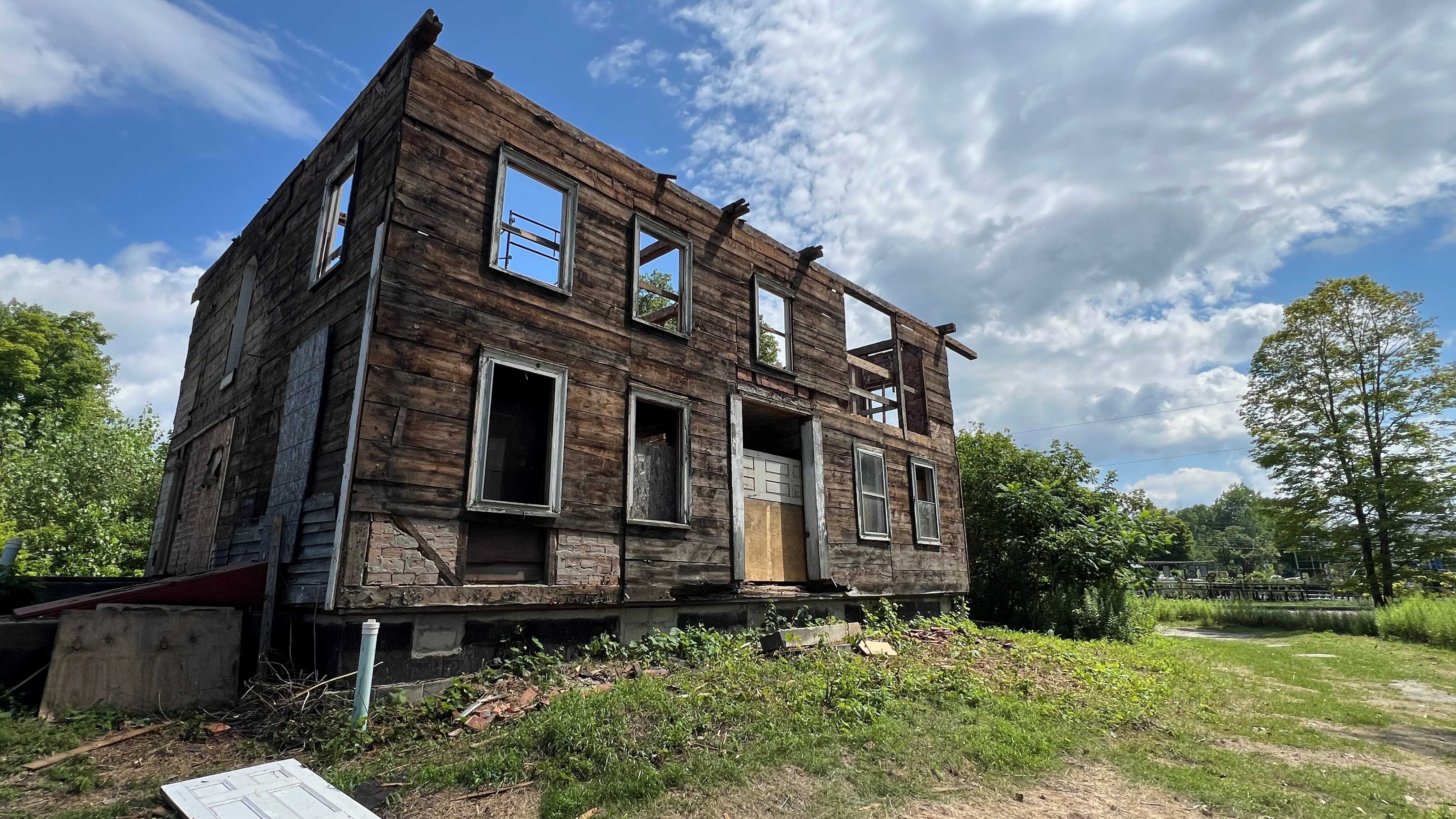
The floodplain restoration project began with the removal of an 1830s home located within a flood zone. The structure was built by descendants of Jacob Davis, one of the city’s early settlers. Situated on Home Farm Way, near Route 2 and close to the confluence of the Winooski River and the Stephens Branch, the house is now being carefully dismantled. A $400,000 grant from the Flood Resilient Community Fund, administered by Vermont Emergency Management, is funding the process.
Doyle emphasized that while it is difficult to lose a piece of history, the project also aims to preserve other parts of it. “There will still be a preservation and conservation easement on the site, so we'll probably do some interpretive materials here to talk about what happened here originally,” he explained. Salvaged materials such as bricks and wood are being collected during the dismantling process.
The second phase of the project involves a larger proposal currently under review by FEMA. This phase would cost approximately $1.3 million and involve removing thousands of dump trucks full of earth to create more space for the river to overflow during floods without damaging structures. Water resources engineer Ethan Ely of SLR Consulting, the firm working on the project, highlighted additional benefits that could come from removing nearby dams along the river. This would allow water to flow more naturally into surrounding areas.
Ely described the goal of the project as restoring the floodplain to a more natural level, enabling the river to spill out safely. “We're talking almost a mile of affected river when you do something here. Because it's such a flat area, you do a little drop here and that just carries upstream and upstream and upstream,” he said.
While timelines for the rest of the floodplain work depend on federal support, Doyle and Ely noted that this planning in Montpelier is part of broader efforts across the watershed. Doyle reflected on the historical significance of the area, saying, “I think about the people who built this house and the hard work they had to do to settle a community like Montpelier. And that's our work too, to figure out what the future of this community looks like. If they did it, we can do it.”
Doyle thanked the many partners involved in the project, including the Vermont Housing and Conservation Board, the Vermont Community Loan Fund, landowners of adjacent properties, and the City of Montpelier. The city will permanently own the land, and public access for recreation is expected once the floodplain is restored.
This project serves as a model for how communities can balance historical preservation with modern environmental needs. As Montpelier moves forward, its efforts highlight the importance of collaboration, careful planning, and a shared vision for a safer, more sustainable future.

Post a Comment for "Hopeful for the Future: Montpelier Revives Floodplain as New Defense"
Post a Comment