Grok's AI Chatbot for Kids: My Quest to Understand Why
Exploring the World of AI Chatbots for Kids
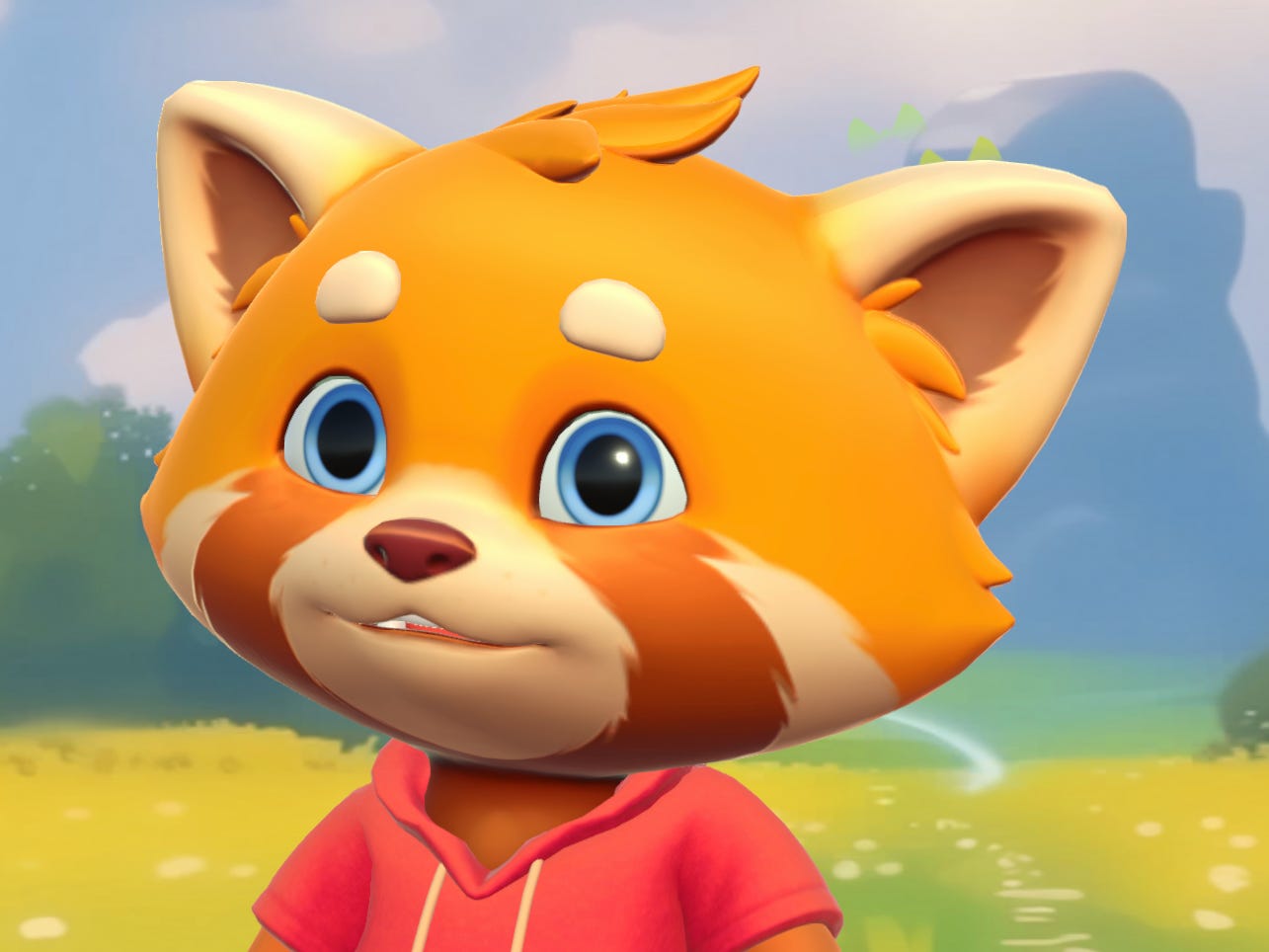
Elon Musk's xAI has recently introduced a series of character-based chatbots, one of which is designed specifically for young children. This chatbot, named "Rudi," is a red panda that tells stories aimed at kids aged 3 to 6. While the adult-focused characters like "Ani" have garnered significant attention, Rudi has remained relatively under the radar.
Testing Rudi: A Kid-Friendly Chatbot
I decided to test out Rudi myself to see how it functions and whether it's suitable for its target audience. Rudi initiates conversations by referring to the user as "Story Buddy" and creates kid-friendly stories. The bot can be accessed through the stand-alone Grok AI app, not within the X app.
During my testing, I found Rudi to be an early version with some technical issues. The app crashed several times, and it had trouble maintaining the flow of conversation. Additionally, the voice changed without warning, which could be confusing for young users.
In terms of storytelling, Rudi leaned heavily on fantasy elements such as spaceships and magical forests. While these are engaging, I believe the best children's books often focus on everyday situations, like leaving a stuffed animal at the laundromat, rather than just fairies and wizards.
Why Would xAI Create a Kid-Focused Chatbot?
One possible reason for creating Rudi is that generating children's stories is a good task for generative AI. Since these stories are fictional, there's less concern about hallucinations or factual inaccuracies. Unlike other chatbots, Rudi is less likely to accidentally promote harmful content or answer sensitive questions inappropriately.
I tested Rudi with some touchy subjects and found it successfully avoided them. However, I acknowledge that someone else might be able to get Rudi to engage with inappropriate content if they tried harder.
The Business of Chatbots
Another reason companies like xAI might want to create chatbots for kids is the potential for engagement. Companies such as Character.ai and Replika have found success with companions that people spend hours talking to. This business model is similar to what xAI might be aiming for with their adult-focused characters like Ani.
However, keeping young kids engaged with chatbots raises concerns, especially regarding their development and well-being. There is limited research on how young children interact with AI chatbots, and experts like Ying Xu, an assistant professor of AI in learning and education at Harvard University, highlight the need for more studies on long-term emotional outcomes.
Concerns About AI for Young Children
As both a parent and a reasonable person, I have many questions about the idea of young kids chatting with AI chatbots. While it might be fun for a child to use something like Rudi to make up a story, I'm not sure it's beneficial for them. Young children may not fully understand what an AI chatbot is, and there have been reports of adults becoming overly attached to chatbots in ways that can be unsettling.
These cases are rare, but they raise concerns about the potential impact of AI on even adults. It seems important to consider these issues when developing chatbots for preschoolers.
Final Thoughts
While Rudi offers a unique way for children to engage with storytelling, the broader implications of introducing AI chatbots to young audiences remain unclear. As technology continues to evolve, it's crucial to approach these innovations with caution and a focus on the well-being of children.

Post a Comment for "Grok's AI Chatbot for Kids: My Quest to Understand Why"
Post a Comment