Grievance or illness doesn't excuse murder | Opinion
The Complex Landscape of Violence and Responsibility
In a country where the influence of lobbyists is deeply embedded, the seriously ill often turn to platforms like GoFundMe for support, while those who feel wronged may take extreme actions, such as attacking NFL offices or state lawmakers. These acts are not just random; they carry political undertones and reflect deeper societal issues.
The latest incident occurred in New York during the Monday evening rush hour when a 27-year-old man drove from Las Vegas and entered the Midtown Manhattan office tower housing the NFL. He killed three people before taking his own life. According to reports, he left a note claiming to suffer from chronic traumatic encephalopathy (CTE), a degenerative brain disease linked to football. While it's unclear if the NFL concealed risks associated with the sport, this tragedy highlights the broader issue of how society deals with the consequences of violent sports and mental health.
It's important to recognize that the public has also played a role in enabling these situations. The dangers of football are well-known, yet many continue to support the sport. This paradox raises questions about our collective responsibility and the values we prioritize.
The Human Cost of Tragedy
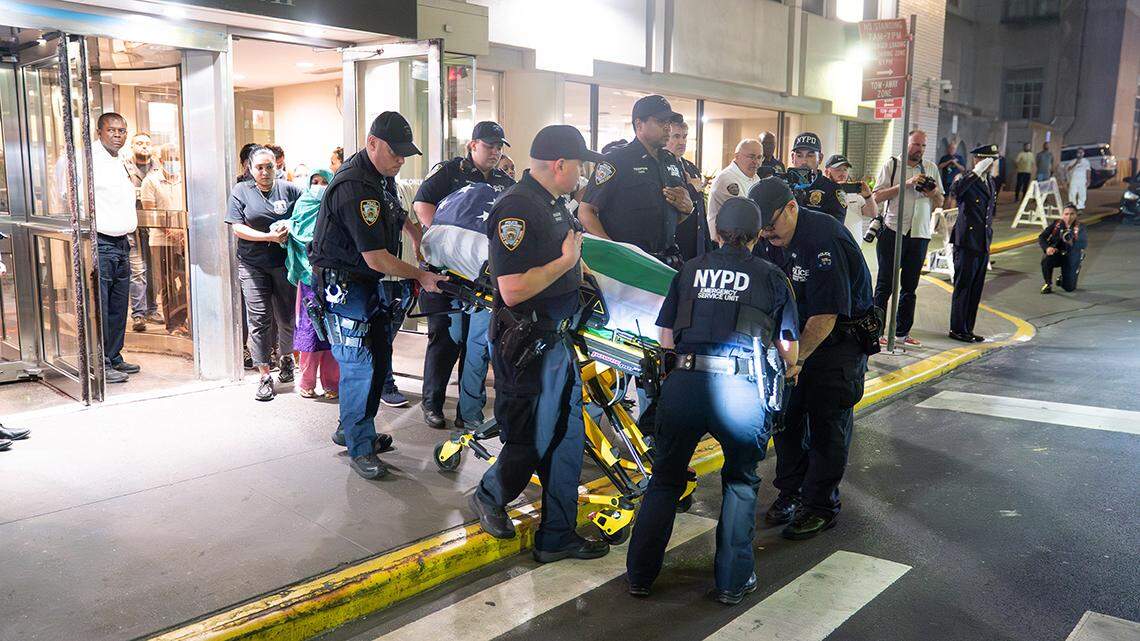
Among the victims was Didarul Islam, a 36-year-old NYPD officer from Bangladesh. He was working extra hours to support his family, which included his wife and two children, expecting their third. Mayor Eric Adams praised him, stating, "He was saving lives. He was protecting New Yorkers." His story underscores the sacrifices made by immigrants who come to the U.S. seeking a better life.
Immigrants often work multiple jobs, embodying the spirit of America's great cities. However, the current political climate, particularly under figures like Donald Trump, has led to increased scrutiny and hostility towards immigrants. This has resulted in policies that target undocumented individuals, often for political gain rather than genuine concern for national security.
The Debate on Gun Control and Freedom
New York, Nevada, D.C., and Minnesota have varying levels of gun control laws, according to the Giffords Law Center. While some advocate for stricter regulations, others argue that gun laws do not effectively prevent criminals or the mentally ill from obtaining weapons. This debate reflects the complex nature of gun violence in the U.S.
Addressing the prevalence of guns in the country is no easy task. However, the idea that there is never a good time to discuss gun violence is counterproductive. It ensures that nothing changes, despite the ongoing loss of lives.
The Role of Sports and Mental Health
The NFL case raises questions about the responsibility of sports organizations in addressing the long-term effects of contact sports. While the perpetrator's claim of CTE is unconfirmed, it highlights the need for greater awareness and support for athletes' mental health.
Critics argue that mocking those who enjoy violent sports is a form of elitism. Many Americans value freedom, even if it comes with risks. The balance between safety and personal liberty remains a contentious issue, with no clear solution.
A Call for Reflection and Change
The tragic events in New York serve as a reminder of the human cost of violence and the need for systemic change. From the impact of gun laws to the treatment of immigrants, the challenges facing the U.S. are multifaceted. It is crucial to engage in thoughtful dialogue and seek solutions that prioritize both safety and freedom.
As society grapples with these issues, it is essential to remember the individuals affected and to strive for a future where such tragedies are prevented. The path forward requires collective effort, empathy, and a commitment to addressing the root causes of violence and inequality.

Post a Comment for "Grievance or illness doesn't excuse murder | Opinion"
Post a Comment