Grandpa, an Ordinary Hero in South Korea: A New Book Honors His Legacy
A Legacy of Resilience and Love
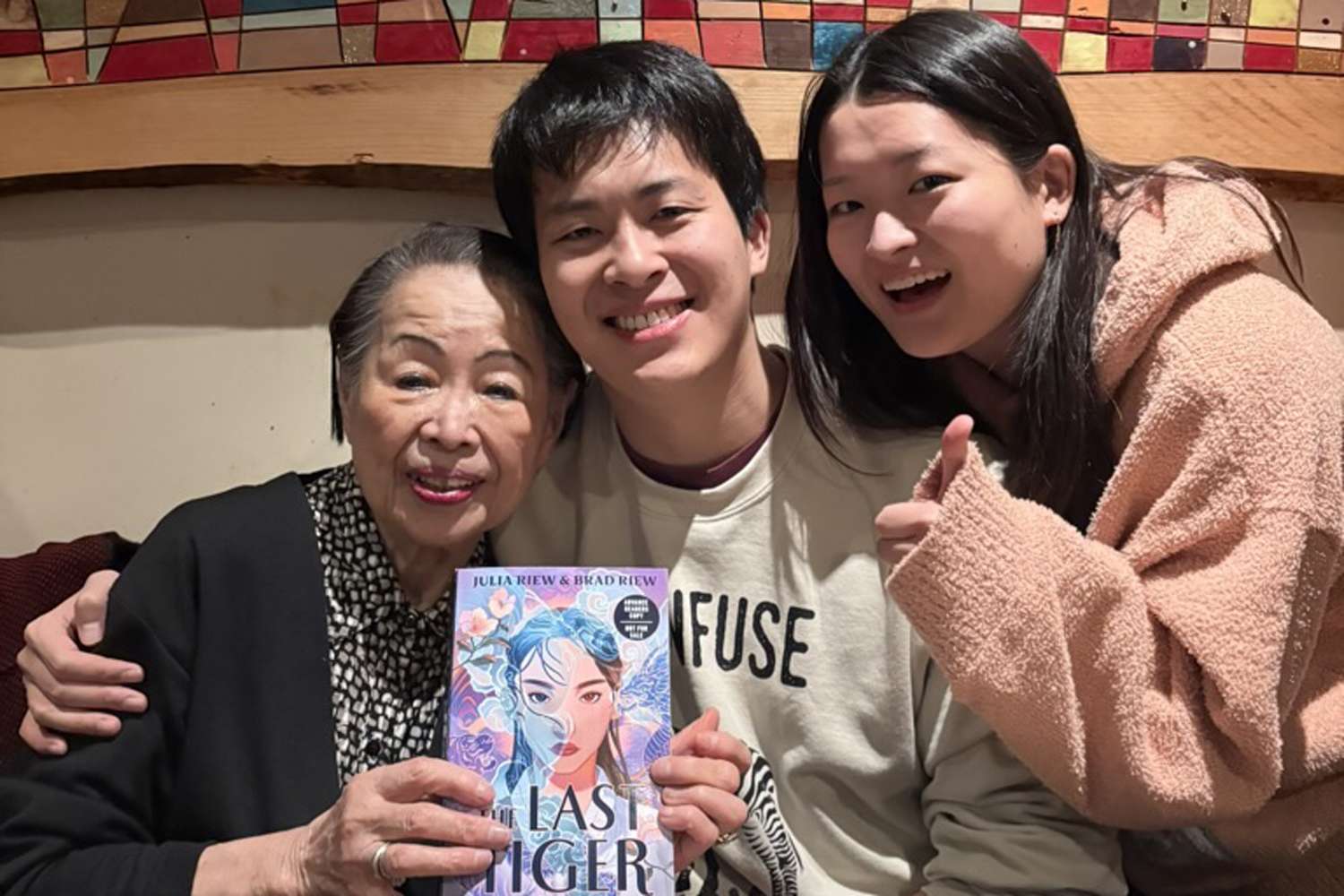
The memory of our ancestors’ strength and courage helps us remember the fortitude inside us, and it helps point to a way forward. This sentiment is deeply rooted in the lives of Brad and Julie Riew, who have carried the stories of their grandparents with them throughout their lives. Their grandfather passed away in the spring of 2020, suddenly and unexpectedly. One moment he was in the world, and the next, he was on a ventilator in the hospital, joining the many lives lost during the pandemic that year. He was 91, having lived a long and full life filled with challenges, resilience, love, and overcoming. He was born in 1928, in a place now known as South Korea.
A few weeks after his passing, their grandmother wrote nearly 50 pages in Hangul on a yellow notepad, detailing their life together. These pages were filled with emotion, trembling with the weight of her loss, yet they also celebrated the beautiful triumph of a life built through adversity. Growing up, Brad and Julie listened to their grandparents' stories with interest and awe. Their lives seemed like folk tales or legends from another time, far removed from their own experiences. Like many Koreans of their generation, their grandparents were shaped by history—words like colonization, civil war, poverty, loss, and immigration were part of their reality.
They met during the 1940s, when Korea was under Japanese occupation. At that time, the Korean language, customs, and folk songs were all illegal due to Japanese state policy, and they lived under constant surveillance. They fell in love as teenagers, but Grandpa’s poor financial situation and lack of prospects made Grandma’s parents disapprove. They were forbidden from seeing each other, and when Grandma refused to meet her parents’ preferred match, she was placed under house arrest. Despite this, they found ways to sneak out and exchange love letters through intermediaries.
Political turmoil swept through the Korean peninsula with a casual cruelty, upending lives. After the Japanese government banned Korean and Western-style clothing, Grandpa’s father’s prosperous tailor shop went out of business. His father faced extreme stress and later died of a stroke, leaving Grandpa, at just 21 years old, as the head of his family of seven. He took on three jobs while attending Seoul National University and joined a student resistance movement for Korea's liberation. He also worked to save enough money to marry Grandma. Meanwhile, Grandma worked as a teacher until her family moved her to the countryside without informing Grandpa. Yet, they reunited nearly a year later in a small fishing village, and their forbidden romance blossomed into a deep, unbreakable bond that lasted through the war and the loss of their first child.
Their story, though extraordinary, was typical for Koreans of their generation. They were ordinary heroes whose inventiveness, courage, dedication, and hope carried them through immense challenges. They never gave up on their belief that a better life was possible. Their love for each other and their determination helped them endure.
After their grandfather’s passing, the importance of understanding their family history became more urgent. As third-generation Korean Americans living in Missouri, they had fewer connections in Korea, and they understood how quickly heritage can be lost. When someone dies, their memories often die with them. Reading through their grandmother’s story, they found an email from their grandfather in 2016, recounting their love story during the 1940s under Japanese imperialism. He asked them to make up a fictional story, which inspired them to co-write The Last Tiger.
For Brad and Julie, Young Adult Fantasy offers an accessible window into stories about suffering, oppression, love, and freedom. It allows them to mix whimsy with politics, emotion, and spirituality, making entertainment and education two sides of the same coin. In their novel, their grandfather and grandmother became Seung, a servant yearning to rise above his station, and Eunji, a noblewoman seeking to escape her supposed destiny. Colonial Korea transformed into The Tiger Colonies, and the suppressed culture of the Korean people manifested as Tiger ki—a spirit-endowed magic that allows its beholder to harness the inner power of emotion and memory.
They chose to embark on this project to carry the events of yesterday into the present for a new generation. When they look out into the world, they feel the echo in their bones of the storms their forebears once endured. They hear confusion, fear, and the struggle to understand their own moment in history. It’s natural to feel powerless in dark times, but the memory of their ancestors’ strength and courage during even more trying times is a grounding force. It gives them context, helps them remember the fortitude inside them, and makes sense of confusion. It helps point to a way forward.
Young people today are growing up in a world that will bring challenges and change, much of it disruptive. They know they will continue to face oppression and adversity. But none of them are alone. Their ancestors stand behind them, reminding them that they, too, can be strong. With the words of their grandparents in hand, they believe they can meet their own moment in history.
Never miss a story—sign up for The Last Tiger’s free daily newsletter to stay up-to-date on the best of what it has to offer, from celebrity news to compelling human interest stories. The Last Tiger by Brad and Julie Riew is on sale now, wherever books are sold.

Post a Comment for "Grandpa, an Ordinary Hero in South Korea: A New Book Honors His Legacy"
Post a Comment