Ghost Ships Transporting Sanctioned Oil Challenge U.S. Negotiations
The Rise of "Ghost Ships" and Their Role in Sanctioned Oil Trade
A growing number of unmarked vessels, often referred to as "ghost ships," are quietly transporting sanctioned Russian oil to Chinese ports. These vessels operate outside the reach of commercial tracking systems, allowing them to bypass international sanctions and continue fueling Russia’s energy exports. This hidden trade is creating tension between the United States and China, especially as trade negotiations continue.
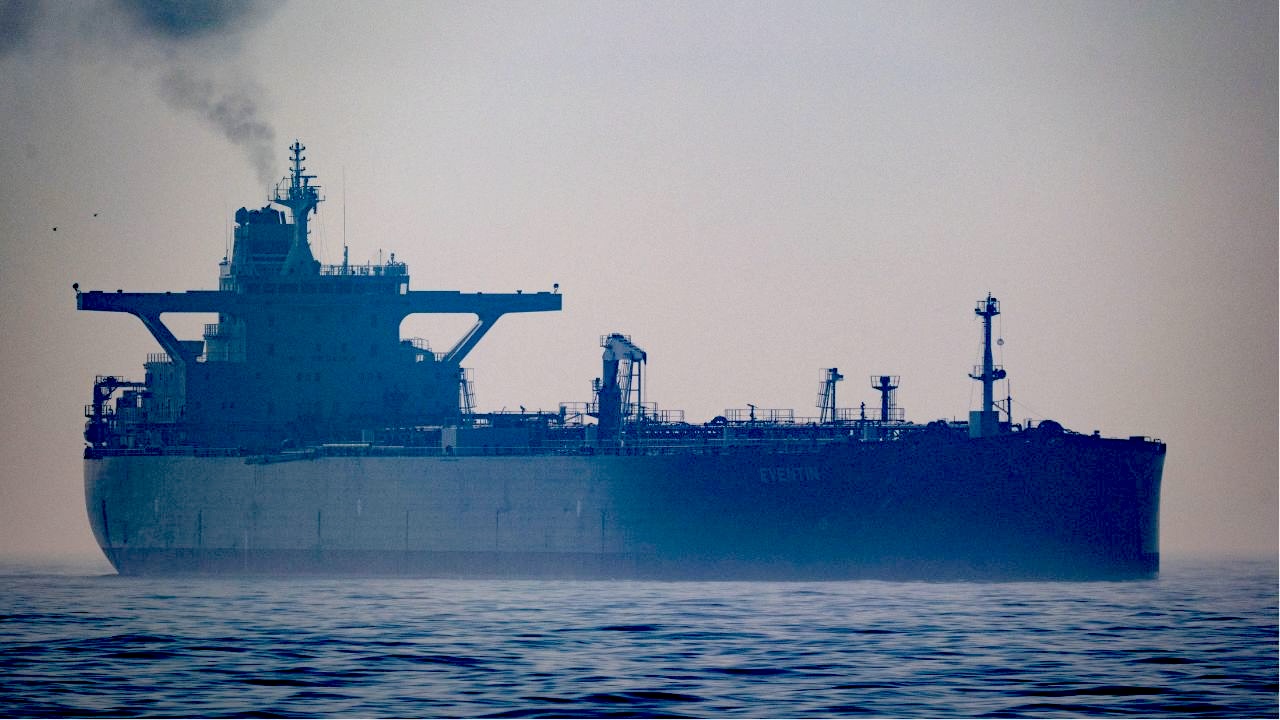
The "ghost ship" fleet consists of nondescript oil tankers that are tasked with moving Russian oil despite G7 price caps and EU sanctions imposed due to Moscow's invasion of Ukraine. These ships evade detection through various methods, such as operating under foreign flags, disabling transponders, and conducting mid-sea transfers to obscure their cargo. This strategy allows them to avoid scrutiny and continue their operations without being tracked.
Economic Implications and Strategic Concerns
Energy is a critical component of the Russian economy, and the revenue generated from oil exports plays a significant role in funding military operations. According to Benjamin Jensen, director of the Futures Lab at the Center for Strategic and International Studies (CSIS), this income is used to pay new soldiers and produce more weapons. He emphasized that China’s continued purchases of sanctioned oil are actively supporting Russia in its war efforts.
China has become the leading importer of Iranian oil and the second-largest buyer of Russian crude. Much of this oil is transported through the shadow fleet of untracked vessels. As U.S. Treasury Secretary Scott Bessent engages in trade talks with Chinese officials in Sweden, China’s support for sanctioned oil has emerged as a central issue in the negotiations.
Tactics Used by the Shadow Fleet
Jensen explained that the Russian "ghost fleet" employs several evasion tactics to circumvent U.S. sanctions. These include:
- Operating under foreign flags to mask their origins.
- Disabling transponders to avoid radar detection.
- Conducting ship-to-ship transfers in international waters to conceal cargo.
He described one method where a ship leaves port, meets another vessel in open waters, transfers its goods, and then continues the journey. In some cases, crew members may not even be fully aware they are transporting illegal Russian oil.
Case Study: The Seizure of the "Eventin"
An example of this hidden trade was highlighted when the 19-year-old crude oil tanker "Eventin" was seized by German authorities after suffering engine failure in the Baltic Sea. The Panama-flagged vessel, previously named "Charvi" and "Storviken," was found carrying 99,000 tons or approximately $45 million worth of Russian oil.
This incident underscores the challenges faced by authorities in identifying and intercepting these vessels. While some ships in the shadow fleet have been intercepted, Jensen stressed the need for a comprehensive, whole-of-government approach to combat this trade.
A Global Challenge
Jensen called for coordination among intelligence agencies, law enforcement, and departments like Commerce and Treasury to work with international partners. This collaboration would involve seizing vessels and making it increasingly difficult for Russia to bypass sanctions.
He noted that while it is impossible to completely stop all oil smuggling, the goal should be to reduce it and make it harder for illicit actors to operate. However, he also pointed out that this issue is not limited to China, Iran, or North Korea.
"There's a lot of countries where commercial actors see the opportunity to increase their profit margins, and that makes ghost ship oil more attractive," Jensen said. This highlights the broader challenge of addressing the global trade in sanctioned oil and the need for a coordinated international response.

Post a Comment for "Ghost Ships Transporting Sanctioned Oil Challenge U.S. Negotiations"
Post a Comment