Gaza Ceasefires Shatter Israel's War Strategy
The Complex Reality of Food Aid in Gaza
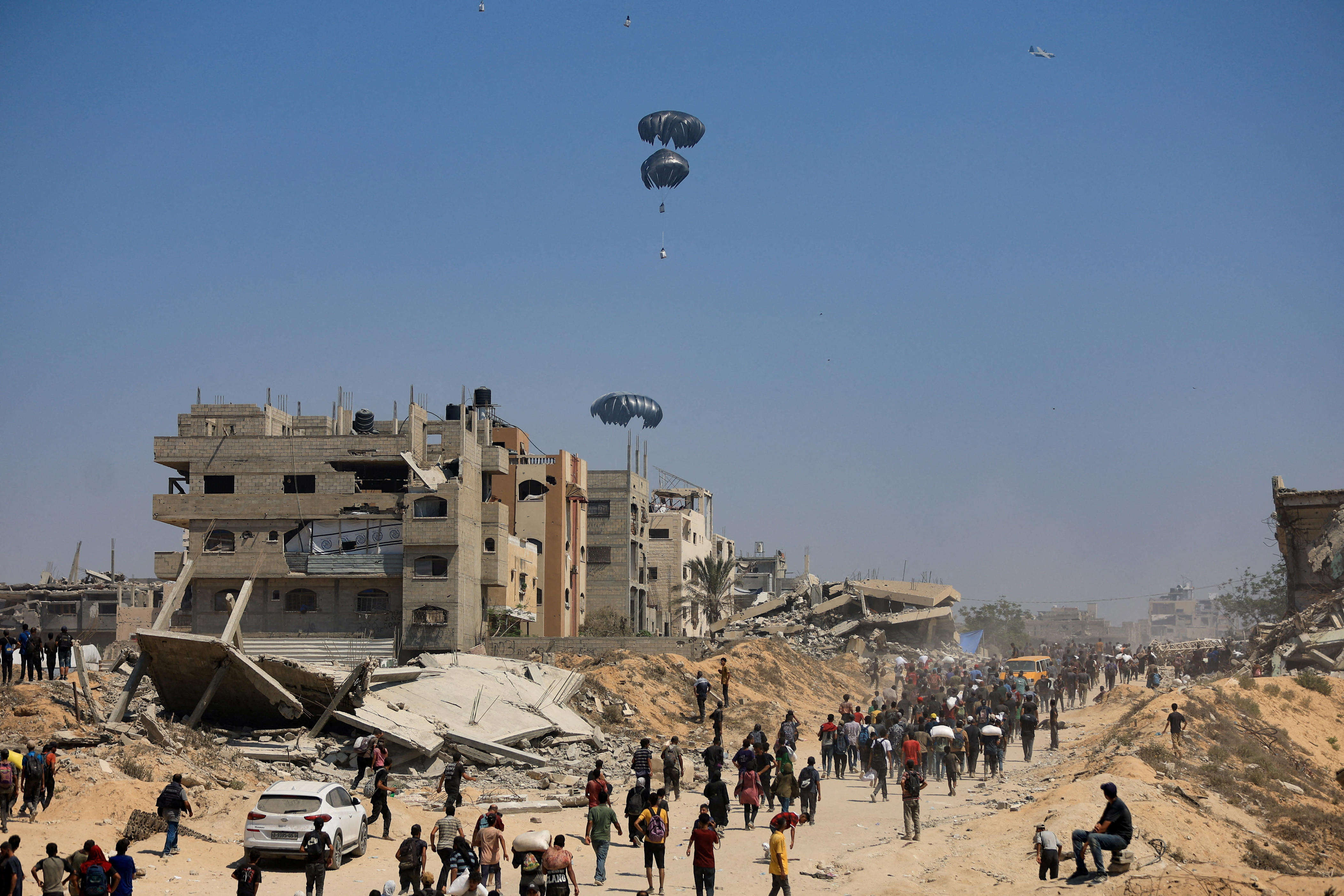
The situation surrounding food aid in Gaza is a complex and multifaceted issue, with various stakeholders involved. While some critics argue that the global media has exaggerated the extent of starvation in Gaza, others point to the significant challenges faced by humanitarian efforts. The reality is that while there is no conclusive evidence of mass starvation, there are indeed serious food shortages that have been exacerbated by a range of policies and actions.
Policies and Their Consequences
One of the most controversial aspects of the Israeli government's approach has been its handling of food aid. From March to May, there were reports of complete blocks on food aid entering Gaza, which created a dangerous situation for the local population. This policy was part of a broader strategy aimed at undermining Hamas's control over the region, both militarily and politically.
The establishment of the Gaza Humanitarian Foundation (GHF) was intended to provide an alternative to the United Nations' food distribution system, which many believed allowed Hamas to exert influence over aid. However, this initiative faced numerous challenges, including logistical difficulties and resistance from international aid groups. The GHF's operations have been limited, particularly in southern and central Gaza, while the northern regions have remained under the control of the UN.
Criticism and Concerns
Former IDF Chief of Staff Lt.-Gen. (ret.) Herzi Halevi and former Defense Minister Yoav Galant had raised concerns about these policies as early as 2024. They advocated for smaller-scale pilot programs to test the feasibility of the GHF model before implementing it on a larger scale. Their warnings were largely ignored, leading to the current crisis.
Netanyahu and his coalition partners were determined to take control of Gaza, believing that breaking Hamas's grip would lead to long-term benefits. However, the abrupt shift in policy has resulted in a public relations disaster for Israel, with many questioning the country's intentions regarding the well-being of Gazans.
Challenges in Humanitarian Aid
The practical challenges of operating a humanitarian aid project in Gaza are immense. The sudden and ambitious nature of the GHF initiative has proven difficult to manage effectively. Halevi and Galant had warned that such a large-scale operation could backfire, potentially leading to accusations of causing starvation rather than alleviating it.
They also suggested alternative approaches, such as handing over parts of Gaza to countries like Egypt or the UAE, or establishing a foothold for the Palestinian Authority. These ideas, while not fully realized, highlight the need for more flexible and adaptive strategies in addressing the humanitarian crisis.
Current Developments
In recent weeks, there have been signs that the policies implemented by the Israeli government may be shifting. There has been an increase in the number of food aid trucks approved for entry into Gaza, which could allow Hamas to regain some control over food distribution. This development raises questions about the effectiveness of the previous strategies and the potential consequences for both Hamas and the civilian population.
The introduction of a "localized" ceasefire, covering only 25% of Gaza, has further complicated the situation. While it may offer temporary relief, it does not address the broader issues of food security and political control in the region. Moreover, the fact that many Hamas fighters are now concentrated in these areas suggests that the ceasefire may not be as effective as intended.
Implications for Hamas
The current situation appears to be working in favor of Hamas, as it allows the group to maintain control over food aid without having to return hostages to Israel. This dynamic could make it less likely for Hamas to pursue a formal ceasefire and hostage deal, as it is already receiving much of what it wants through strategic maneuvering.
The costliest mistake made by Israel has been the decision to block food aid from March to May 2025. Despite the lack of mass starvation during this period, the damage to Israel's credibility has been significant. The global community is now skeptical of Israel's intentions, and some Israeli ministers have even publicly expressed support for starving Gaza, further complicating the situation.
The Future of the GHF
While the GHF has managed to distribute over 100 million meals in Gaza, the challenges it faces are substantial. Logistical and tactical failures, combined with the broader context of Israel's policies, have made it difficult to promote the GHF as a successful initiative. The mixed coordination between the IDF and the GHF has also contributed to the perception that the program is not functioning as intended.
Ultimately, the warnings from Halevi and Galant have proven prescient. Their concerns about the potential consequences of these policies have come to fruition, highlighting the need for a more nuanced and effective approach to addressing the humanitarian crisis in Gaza. As the situation continues to evolve, it remains to be seen whether the current strategies will lead to a sustainable solution or further deepen the existing challenges.

Post a Comment for "Gaza Ceasefires Shatter Israel's War Strategy"
Post a Comment