Freedom Caucus: Negotiators or Fickle Flip-Floppers?
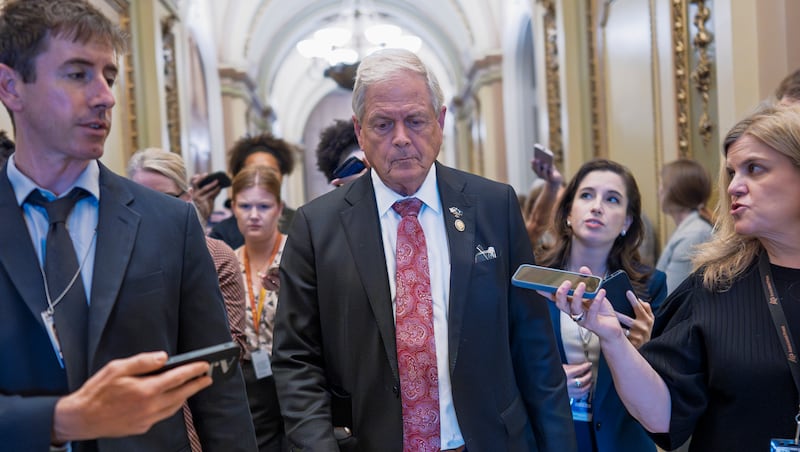
The House Freedom Caucus: A Force to Be Reckoned With
The House Freedom Caucus has carved out a reputation as one of the most disruptive forces in Congress. Known for their rebellious and confrontational tactics, they have become a significant player in shaping the Republican agenda. Their influence is undeniable, even if it often comes at the expense of internal party harmony.
These members are not afraid to challenge the status quo. They’ve been known to delay votes, prolong negotiations, and even threaten key pieces of legislation to ensure their demands are met. This approach has led to frustration among GOP leadership, but also to a level of influence that cannot be ignored.
President Donald Trump himself acknowledged the impact of the Freedom Caucus during the signing of the bipartisan GENIUS Act. He expressed his exhaustion from constant late-night calls from the Speaker of the House, who would inform him of the “12 hard nos” from the group. “They just want a little love,” he said, hinting at the ongoing tension between the White House and these holdouts.
Despite the friction, some members of the Freedom Caucus view their role as essential to ensuring transparency and accountability. Tennessee Rep. Tim Burchett, while not officially part of the group, often aligns with their views. He described the process of negotiating with the administration as a way to get answers and secure support for bills. “The president has a strategy, and he wins every dadgum time,” Burchett said, emphasizing that while critics may criticize him, they can’t deny his success.
This dynamic has created a unique situation where the Freedom Caucus threatens to block legislation but ultimately supports it. This pattern has led to accusations of them folding under pressure, but they counter by pointing to last-minute deals that have resulted in major policy victories.
According to Anna Adamian, the spokesperson for the Freedom Caucus, the group’s effectiveness is evident in their ability to drive conservative reforms. “We’ve been the driving force behind real conservative wins—cutting wasteful spending, clawing back billions in taxpayer dollars, and holding Washington accountable,” she said. The media’s attention on their meetings further underscores their influence.
One recent example involved an executive order aimed at rolling back clean energy subsidies. This move raised concerns among moderates who had previously negotiated to preserve those credits. However, it was revealed that this executive order was part of assurances given to the Freedom Caucus to secure their support for the broader tax reconciliation package.
Rep. Ralph Norman, a key holdout on several major pieces of legislation, explained that the group’s strategy is to push for more conservative policies and further spending reductions. “We will always hold out to make bills more conservative and for further spending reductions,” he said. He emphasized that their goal is not personal gain but rather to advance the country’s interests.
Other Developments in Washington
The House has been at a standstill over disagreements regarding the Jeffrey Epstein case, leading to the cancellation of several immigration-related votes. Lawmakers were sent home early for the August recess, highlighting the challenges of maintaining legislative momentum.
In another development, the Trump administration highlighted an American manufacturer in Utah for producing goods entirely within the United States. This move came amid efforts to crack down on companies misusing the “Made in USA” label.
Meanwhile, Director of National Intelligence Tulsi Gabbard released reports suggesting that the Obama administration may have manufactured conclusions about Russian interference in the 2016 election. These claims have sparked controversy and drawn attention from both sides of the political spectrum.
Federal Reserve Controversy
A new battle has emerged over Federal Reserve Chairman Jerome Powell, with Republicans accusing him of misleading Congress about renovations to the Marriner S. Eccles Federal Reserve Board Building. Rep. Anna Paulina Luna, R-Fla., has called for an investigation into Powell, alleging that he lied under oath about the building’s features.
Luna cited multiple statements made by Powell during Senate testimony, claiming that he denied the existence of certain amenities such as a VIP dining room and special elevators. However, documents submitted to the National Capital Planning Commission suggest these features do exist. This dispute has intensified the push by Republicans to remove Powell from his position.
Powell has defended the upgrades, arguing that the so-called “terrace gardens” are actually green roofs and that the “special elevators” accommodate disabled users. Whether this issue will lead to his removal remains uncertain, but it reflects the broader scrutiny of the Federal Reserve’s operations.
Quick Hits
Lawmakers are set to receive increased funding for security following recent threats. Meanwhile, discussions are underway about redrawing congressional maps ahead of the midterms. House Republicans have also moved to subpoena Ghislaine Maxwell as part of the ongoing pressure campaign related to the Jeffrey Epstein case.
From the White House, Gabbard has accused the Obama administration of a treasonous conspiracy in its Russia investigation. Additionally, the Trump administration has targeted sanctuary cities after an officer shooting in New York.
In the courts, Bryan Kohberger received a life sentence in the University of Idaho case.
What’s Next?
The House is out until after Labor Day, with the Senate expected to remain in session through the end of the month. When lawmakers return, the Epstein drama is likely to continue, along with the looming October 1 deadline to fund the government. As always, staying informed and engaged with developments on the Hill is crucial.

Post a Comment for "Freedom Caucus: Negotiators or Fickle Flip-Floppers?"
Post a Comment