Foundation Season 3 Episode 3: A New Beginning, With Cracks
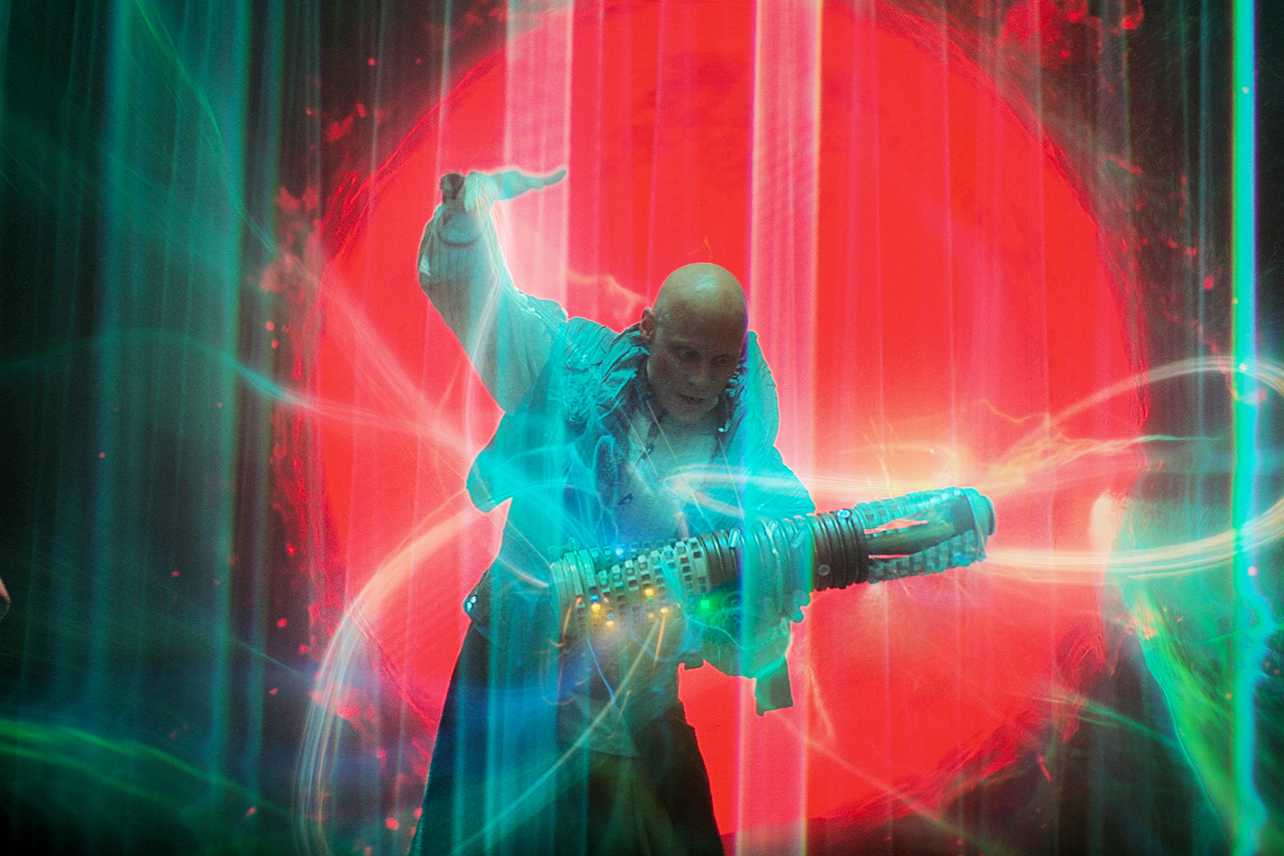
The Mule’s Unsettling Power and the Show’s Challenges
The Mule is one of the most unsettling characters in Foundation, and his actions have left a lasting impression on viewers. Watching him use a potato peeler to flay Toran Mallow’s palm was a moment that felt both shocking and disturbingly realistic. It was hard not to feel uneasy as he continued the act, seemingly enjoying every second. This scene exemplifies the show’s willingness to push boundaries with its portrayal of violence, which has become a hallmark of Foundation.
From the beginning, the show has leaned into body horror elements, particularly with the cloned Cleonic Dynasty. While this concept isn’t present in the original source material, it adds a unique layer of intensity to the story. The Season 1 finale, where Demerzel removes her face to express grief over killing a Cleon, was another standout moment. These scenes are not just for shock value; they serve to highlight the emotional and psychological toll of the characters’ choices.
As the show progresses, moments of visceral violence remain a tool used sparingly but effectively. In Season 2, Brother Day fights assassins while naked, and Demerzel is dissected like an anatomy model in a secret chamber. These scenes force viewers to confront the physicality of the story, making it more immersive and impactful.
However, the show now faces a major challenge: introducing the Mule as a central threat. Recasting Pilou Asbæk in the role was a smart move, but the character must be compelling enough to justify the attention. The Mule’s power is undeniable, but convincing audiences that he poses a real threat to both the Empire and the Foundation requires more than just his abilities. He needs to be a credible and urgent danger, much like other key characters such as Brother Dawn, Gaal Dornick, and Hari Seldon.
The Mule’s personality is also a point of concern. His gleeful, almost childlike enjoyment of his own evil makes him difficult to take seriously. When he agrees to accept Toran into his entourage only to flay him alive because the insults were too harsh, it undermines the logic of his interactions. For a villain to be effective, there must be some consistency in his actions. Otherwise, the audience loses interest.
Despite these challenges, the Mule’s storyline remains engaging. His plan to throw a victory party at a club on Kalgan gives Captain Han Pritcher an opportunity to get close to him. However, Pritcher is nearly crippled by the Mule’s psychic power, and the tyrant’s question about Gaal Dornick adds to the tension. Pritcher manages to escape, but the encounter leaves him shaken.
Meanwhile, Toran and Bayta attempt their own plan to gather information from Bravado Magnifico Giganticus. While the plan initially seems successful, it backfires when Bravado joins them during their escape. The Mule, however, is focused on bigger goals, such as seizing control of the Kalgan jump gate. His declaration that life can feel overtaken by a “holy spirit” echoes real-world rhetoric, adding a layer of complexity to his character.
The Cleons and Their Struggles
Brother Dawn and Brother Day are central to the show’s narrative, particularly in their efforts to navigate the political landscape of the Empire. A flashback reveals Dawn’s search for knowledge about psychohistory, leading him to a hidden tome donated by Gaal Dornick. This discovery sets up a critical relationship between Dawn and Gaal, who sees herself as a potential escape hatch for the young Cleon.
Gaal warns Dawn about the Mule, emphasizing the need to watch out for him. However, Dawn faces resistance from his brothers and the Council, who are hesitant to take action. This dynamic highlights the internal struggles within the Cleonic Dynasty and the limitations of their power.
In a rare moment of camaraderie, the three Cleons reenact a secret tradition by drinking from a flask of powerful booze. This scene, while lighthearted, offers a glimpse into their relationships and the bonds they share. It’s a rare moment of grace in a show filled with high stakes and political intrigue.
Day, however, is more concerned with his own survival. He plans to enjoy his remaining time as a free man, even as he keeps secrets from Demerzel. The tension between Day and Demerzel is palpable, especially when she mindwipes Song to protect the Cleons. This decision, while necessary, creates further strain in their relationship.
Visuals and Storytelling
The show’s visual style is striking, with vivid settings ranging from the library’s lamplight to the neon-lit nightclub. Director Tim Southam immerses viewers in the action, making each scene feel dynamic and engaging. The script by Eric Carrasco and Greg Goetz is filled with witty dialogue and clever moments, adding depth to the otherwise grim narrative.
While the plot-heavy nature of Foundation can feel overwhelming, the show manages to balance its serious themes with humor and heart. From Day’s quips about drug use to Toran’s sarcastic remarks, the characters bring a sense of levity to the story.
Ultimately, Foundation continues to impress with its storytelling, visuals, and complex characters. Despite the challenges it faces, the show remains a compelling exploration of power, politics, and the human condition.

Post a Comment for "Foundation Season 3 Episode 3: A New Beginning, With Cracks"
Post a Comment