Former Connecticut Prosecutor: Bryan Kohberger Case Might Have Lasted 20 Years Without Plea Deal
The Legal Outcome of Bryan Kohberger's Case
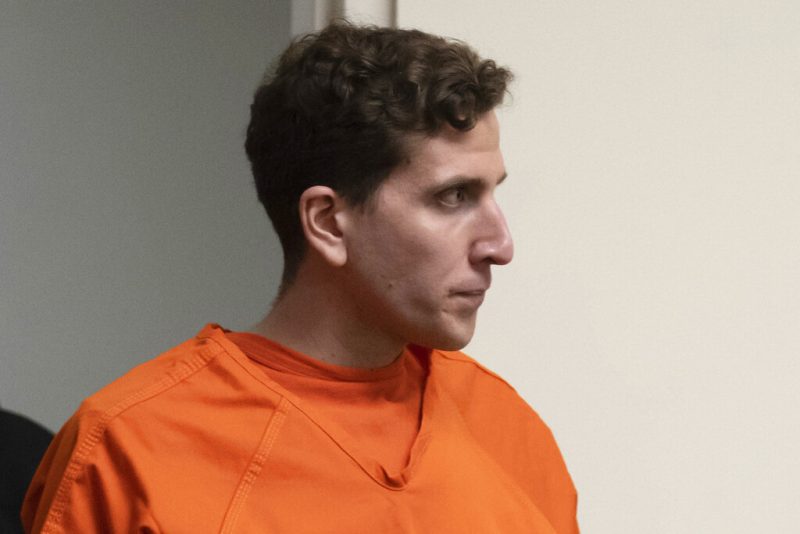
Bryan Kohberger, a man who was at the center of a tragic event in 2022, has been sentenced to four consecutive life sentences for the murder of four University of Idaho students. This decision came after he accepted a plea deal, which marked a significant development in the case that had drawn national attention.
Plea deals are often considered by defendants when they believe that the outcome of a trial could be more severe, such as facing the death penalty. Ryan McGuigan, a former Connecticut state prosecutor, explained that in some cases, individuals opt for these agreements to avoid the possibility of a harsher sentence. He noted that in many jurisdictions, the death penalty is used as a "hammer" to encourage guilty pleas, even if the actual punishment is life in prison.
The families of the victims—Madison Mogen, Xana Kernodle, Ethan Chapin, and Kaylee Goncalves—have expressed a range of emotions regarding Kohberger’s decision to take the plea deal. Some family members, like those from the Chapin family, have supported the agreement, while others, such as the Goncalves family, were reportedly "beyond furious" upon learning about the deal.
McGuigan highlighted that there are multiple perspectives on the plea deal. One aspect that often goes unnoticed is the time it could take to achieve a sense of closure or vindication through a trial. If Kohberger had faced the death penalty, the legal process could have extended over the next 20 to 25 years, according to McGuigan.
He emphasized that while some family members might feel unsatisfied with the plea deal, it is important to consider the long-term impact of prolonged legal proceedings. The families would not have to endure the emotional burden of waiting for years to see justice served.
Four consecutive life sentences mean that Kohberger will spend the rest of his life in prison. Whether this punishment is sufficient for the crimes he committed is a matter of perspective. McGuigan pointed out that for the families of the victims, the sentence may not feel adequate. They likely desired a form of retribution, such as the death penalty, which is understandable given their loss.
However, from the public and prosecutorial standpoint, the sentence is seen as a fair resolution. McGuigan also mentioned that Kohberger’s life in prison will not be comfortable. He described the conditions in the prison where Kohberger will reside as harsh and inhumane, which he believes is what the defendant deserves.
This case highlights the complex nature of legal decisions and the emotional toll they take on all involved. While the plea deal brings a conclusion to the immediate legal proceedings, it leaves lingering questions about justice, closure, and the long-term effects on the families of the victims.

Post a Comment for "Former Connecticut Prosecutor: Bryan Kohberger Case Might Have Lasted 20 Years Without Plea Deal"
Post a Comment