For Jews Supporting Israel, Gaza's Famine Could Be a Turning Point
Understanding the Complexities of Antisemitism and Jewish Safety
In today's world, it's essential to separate the signal from the noise when discussing antisemitism and the current debates surrounding Jewish safety. The ongoing situation in Gaza has brought to light many difficult truths that challenge our understanding of conflict, morality, and responsibility. As we navigate these complex issues, it becomes increasingly important to seek clarity and foster informed discussions.
The Humanitarian Crisis in Gaza
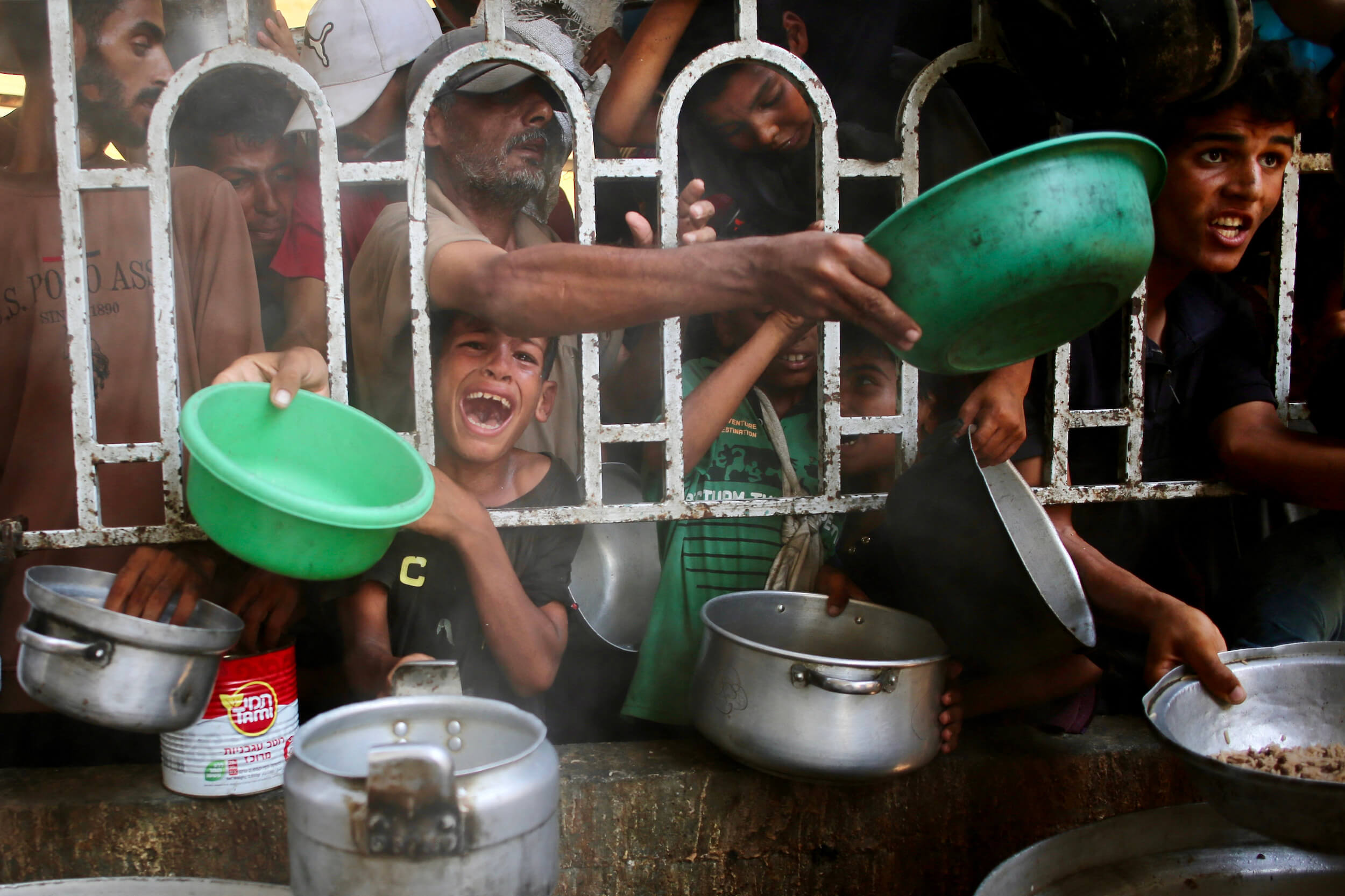
The humanitarian crisis in Gaza is a stark reminder of the human cost of war. Infants are starving, with some children so malnourished that they can no longer cry. For many, this reality is unbearable to imagine, especially for parents who must witness their babies waste away from hunger. The images of deprivation have shaken even those who have long supported Israel, forcing a reevaluation of previous stances and beliefs.
For those who have defended Israel over the past 21 months, this moment is particularly painful. The advocacy efforts have often centered on the return of hostages, but the undeniable crisis may now be a breaking point. This emotional and moral investment in Israel has been tested by the current circumstances, leading many to question their previous positions.
The Role of the "Troubled Committed Zionist"
Many individuals identify as "troubled committed Zionists," like Rabbi Donniel Hartman describes. These are people who deeply believe in Israel's right to exist and defend itself, yet remain critical of its actions. They have stood by Israel through moments of doubt, not with uncritical loyalty, but with emotional and moral investment.
This group has faced pressure to choose sides in the ongoing conflict, resisting the urge to join either the loud critics of Israel or those who justify every action without nuance. However, the recent images of starvation and suffering may make this resistance increasingly difficult to maintain.
Responsibility and Accountability
While Hamas bears significant responsibility for the current situation, it is also clear that the Israeli government has contributed to the crisis. The decision to sideline the United Nations in aid distribution and replace an existing system with a patchwork of IDF soldiers and private contractors has led to a humanitarian disaster. Although there were understandable frustrations with the previous system, the lack of an effective alternative has exacerbated the situation.
The arrogance and short-sightedness of the Israeli government have turned a broken situation into a full-blown catastrophe. The failure to establish an effective aid delivery system has left many in Gaza without access to basic necessities, further deepening the humanitarian crisis.
Growing Concerns Among Diaspora Jews
The growing concerns among diaspora Jews are a significant indicator of the shifting sentiments. The American Jewish Committee, a pro-Israel institution, has expressed deep concerns about the worsening food insecurity in Gaza, urging Israel to take more action. Even respected figures like Thomas Friedman and former Prime Minister Ehud Olmert have voiced their unease, highlighting the moral implications of the government's actions.
These voices represent the conscience and connective tissue between Israel and world Jewry. Their growing unease cannot be ignored, as it signals a potential rupture in the moral and emotional infrastructure that has sustained Israel's connection to the Jewish people.
The Need for Action and Reflection
Unless Israel acts quickly to address the humanitarian crisis, the damage could be irreversible. The loss of trust and connection among diaspora Jews could have far-reaching consequences, affecting not just the reputation of Israel but its very existence as a state rooted in shared destiny.
It is crucial for Israel to set aside the voices of extremists and focus on addressing the real issues at hand. The country cannot afford to lose the support of those who have long served as its unofficial diplomatic corps—its conscience, moral compass, and defenders around the world.
Conclusion
The current situation in Gaza presents a moral test for Zionists and all those invested in Jewish safety. It is time for reflection, action, and a commitment to addressing the humanitarian crisis. By fostering dialogue and seeking solutions, we can work towards a future where the well-being of all people is prioritized, regardless of their background or beliefs.

Post a Comment for "For Jews Supporting Israel, Gaza's Famine Could Be a Turning Point"
Post a Comment