First salmon in 100 years spotted in Northern California river
A Rare Return of an Endangered Species
An endangered species has made a remarkable return to its historic habitat in Northern California, marking a significant milestone for wildlife conservation. The winter-run chinook salmon, one of the most at-risk species in the region, has been observed in the McCloud River for the first time in nearly a century. This development has sparked hope among scientists and environmentalists who have long worked to protect and restore the population.
The winter-run chinook salmon was listed under the Endangered Species Act in 1994 due to severe threats to its survival. However, the situation worsened during California’s historic drought between 2012 and 2016, which led to a near-complete disappearance of the fish from the McCloud River. This river, which flows through Siskiyou and Shasta counties, had already faced challenges since the late 1930s due to the construction of Shasta Dam. The dam disrupted the fish's access to the cool mountain streams where they traditionally spawn, as these areas are kept at lower temperatures by melting snow.
During the drought, the loss of the cold water pool at Shasta Dam further exacerbated the problem. Rising water temperatures and reduced oxygen levels resulted in the deaths of 95 to 98% of the eggs and newly hatched salmon in their nests, according to the National Oceanic and Atmospheric Administration (NOAA).
A Surprising Sight
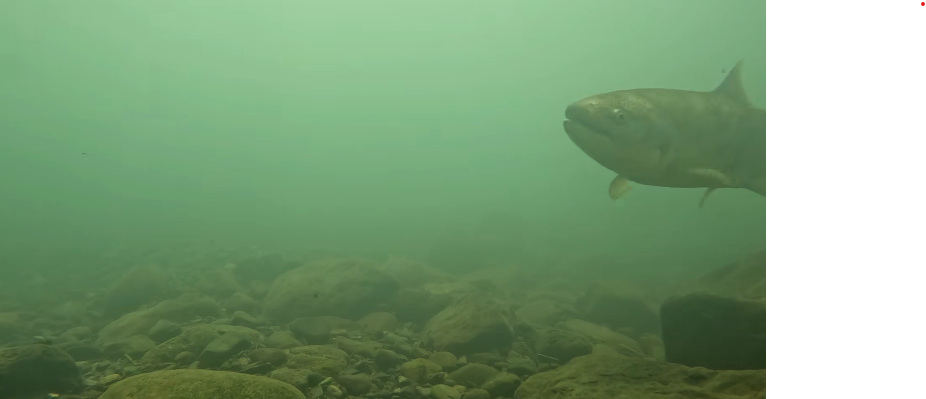
In a surprising turn of events, the California Department of Fish and Wildlife confirmed the presence of adult Chinook salmon in the McCloud River near Ash Camp earlier this month. Officials observed a female salmon exhibiting spawning behavior, including guarding her nest, while multiple smaller males were seen nearby, competing to spawn. This sighting on July 15 marked the first time the species had been seen in the area in almost 100 years.
Experts believe that the returning salmon likely undertook a long journey, spending a year or more in Shasta Reservoir before making their way back to the river. The comeback is attributed to reintroduction efforts launched in 2022 in collaboration with the Winnemem Wintu Tribe, NOAA Fisheries, and the U.S. Fish and Wildlife Service.
For several years, scientists have been incubating winter-run Chinook salmon eggs in the cold, clean waters of the McCloud River. Once the juvenile salmon reach collection facilities downstream, they are transported to the Sacramento River in Redding and released to continue their migration to the Pacific Ocean. Some of these fish, however, end up in Shasta Reservoir, and experts believe this is how the recent population found its way back to the McCloud River.
A Critical Step Toward Recovery
The return of adult salmon to the McCloud River is seen as a critical step in the recovery of the winter-run chinook salmon. The cool waters of the river provide an ideal environment for the fish to spawn, which is essential for the survival of the species. “Adult salmon returning and spawning in the cool waters of their historic habitat off the increasingly hot Sacramento Valley floor is seen as critical to the recovery of winter-run Chinook salmon and is a major goal,” the CDFW stated.
This success is not isolated. Experts have also reported sightings of the fish swimming near Eagle Canyon Dam in the North Fork of Battle Creek. This marks the first time such activity has been observed since the installation of fish passage facilities as part of the Battle Creek Restoration Project.
Ongoing Efforts and Future Prospects
While this discovery brings much-needed optimism, continued efforts are required to ensure the long-term survival of the winter-run chinook salmon. Conservationists emphasize the importance of maintaining healthy river ecosystems, protecting cold water habitats, and supporting ongoing restoration projects.
The return of the salmon to the McCloud River serves as a powerful reminder of the resilience of nature and the impact of dedicated conservation work. As officials and scientists continue to monitor the situation, the hope is that this rare event will be the beginning of a broader recovery for the endangered species.

Post a Comment for "First salmon in 100 years spotted in Northern California river"
Post a Comment