Experts Sound Alarm as Lions Near City Show Disturbing Behavior: 'A Drama of Our Own Making'
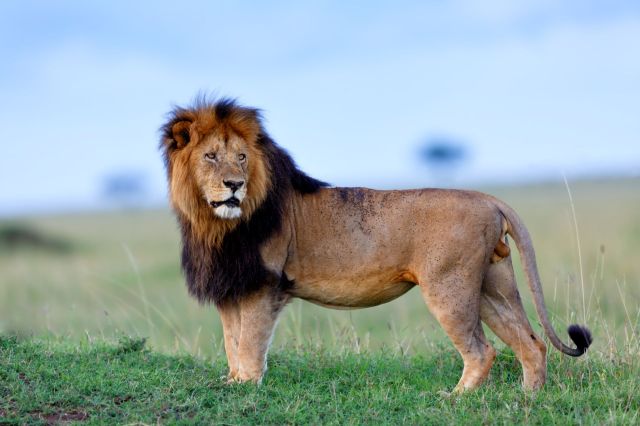
The Growing Threat of Lions Near Nairobi
Residents living on the outskirts of Nairobi National Park in Kenya are increasingly facing a dangerous situation as hungry lions encroach on their land. This issue has become more severe due to the shrinking availability of natural prey and the disruption of migration routes caused by urban expansion. As a result, these big cats are turning to livestock for sustenance, creating a growing conflict between wildlife and local communities.
Nairobi National Park is unique as it is the only major wildlife reserve located within a capital city. While most of its boundaries are fenced, the southern side remains open, serving as a crucial link to larger savanna ecosystems. This area passes through the territory of the Maasai community, where families like that of Isaac ole Kishoyian are making significant sacrifices to maintain this open space.
Kishoyian, a cattle herder in Empakasi, has only fenced off a small part of his land. He recounted an incident where a lion entered his cattle pen while he was away. His wife managed to scare the lion off before it could kill any of his cows. Such events have become common, with other residents also experiencing losses. Phyllis Enenoa, another local, has lost several animals and expressed concern about the survival of her injured cow.
The Broader Implications
The situation is not just about economic loss; it affects the daily lives of pastoralist families. The increasing frequency of lion attacks brings stress, safety concerns, and pressure to abandon traditional ways of life. Dr. Joseph Ogutu of Hohenheim University warns that as Kenya's rangelands are converted into roads and developed areas, the wildlife within the park becomes genetically isolated. This isolation can lead to "ecological extinction," where inbreeding weakens the survival traits and overall health of the population.
With wild prey becoming scarce, lions are forced to hunt livestock, increasing the risk of human-wildlife conflict. Ogutu emphasizes the critical need to address this issue, stating, "Feed lions with functioning ecosystems, or watch them feed on livestock until neither can be sustained."
Efforts to Address the Crisis
To mitigate this problem, the Kenyan government has started compensating landowners who preserve wildlife habitats. A pilot program in 2025 saw 256 landowners receive $175,000 to keep their land unfenced. This initiative pays approximately $0.68 per acre per year. For example, herder Daniel Parsaurei received 6,000 shillings ($34) for his 20 acres, which he says helps despite being a modest amount.
Experts believe expanding such efforts is essential, not only for the survival of wildlife but also for the well-being of rural communities. These programs aim to ensure that people are not forced to choose between their safety and conservation efforts.
The Future of Coexistence
The challenge of balancing human development with wildlife conservation is complex. As urban areas continue to expand, the need for sustainable solutions becomes more urgent. By preserving open spaces and supporting initiatives that encourage coexistence, there is hope for a future where both humans and wildlife can thrive.
The story of lions near Nairobi highlights the delicate balance between progress and preservation. It serves as a reminder of the importance of maintaining healthy ecosystems and the role each individual plays in protecting the environment.

Post a Comment for "Experts Sound Alarm as Lions Near City Show Disturbing Behavior: 'A Drama of Our Own Making'"
Post a Comment