EPA's climate rollback endangers California's clean air efforts
The EPA's Decision to Rescind the Greenhouse Gas Endangerment Finding
The Environmental Protection Agency (EPA) has announced a significant regulatory shift by rescinding the long-standing finding that greenhouse gas emissions pose a threat to human health. This decision marks what the agency describes as the largest deregulatory action in U.S. history. The move is expected to impact tailpipe emission standards for vehicles and other sectors, potentially rolling back decades of climate regulations.
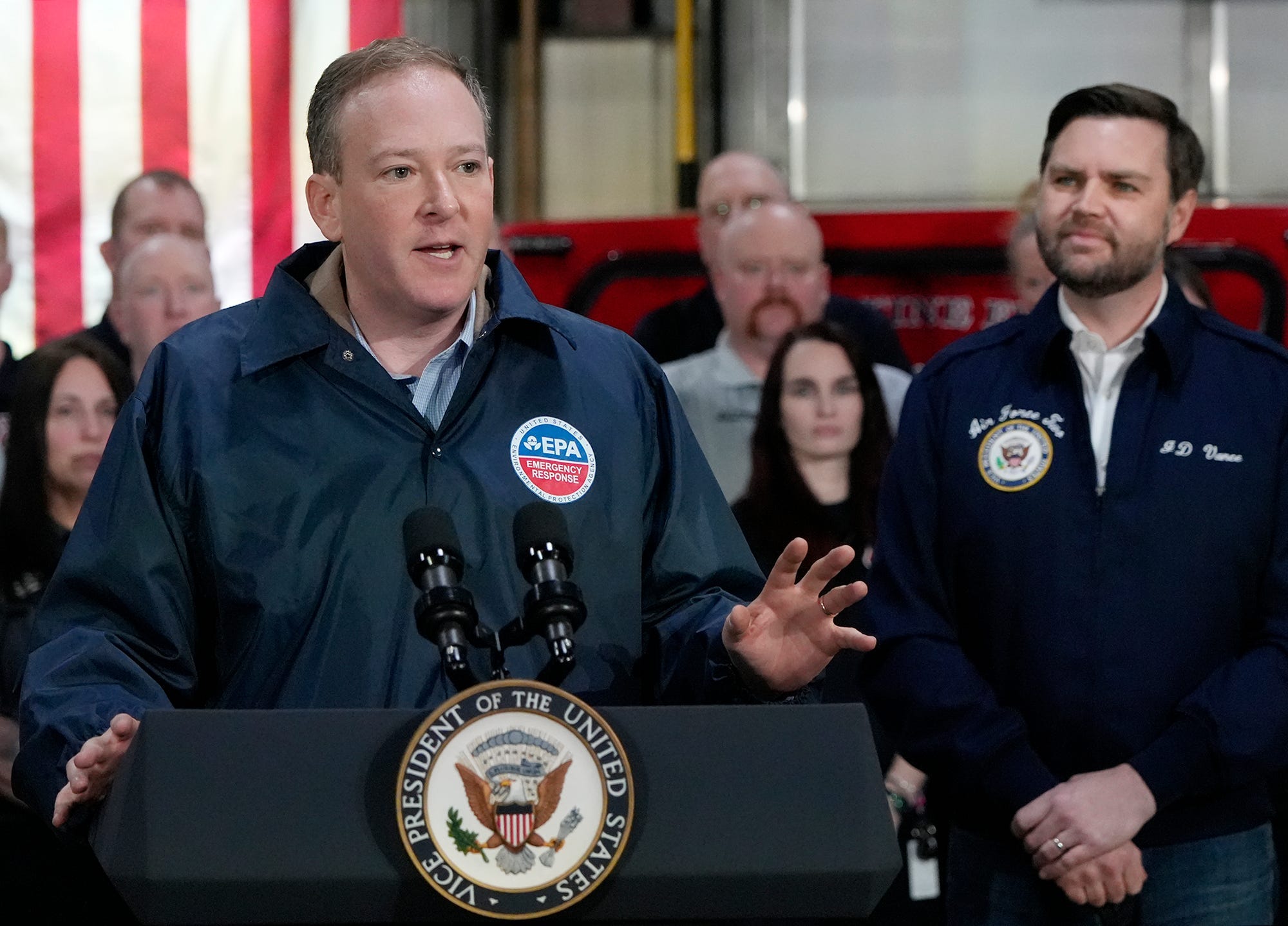
This decision was made under the leadership of Lee Zeldin, who was appointed by former President Donald Trump to head the EPA. Zeldin highlighted the potential cost savings for Americans, stating that the removal of these regulations would reduce financial burdens on consumers. However, critics argue that this change undermines efforts to combat climate change and protect public health.
Understanding the Endangerment Finding
In 2009, the EPA, under President Barack Obama, issued a finding that emissions from new motor vehicles contribute to pollution and endanger public health and welfare. This finding was upheld through various legal challenges and served as the foundation for subsequent greenhouse gas regulations. These regulations targeted carbon dioxide, methane, and other greenhouse gases emitted from cars, power plants, and oil production.
Zeldin emphasized that the EPA’s new approach will not acknowledge any benefits of carbon dioxide, despite its importance for plant life and the planet. He argued that the scientific record used to justify the original findings is now questionable, leading to the decision to rescind the endangerment finding.
Implications for California
California, known for its stringent environmental regulations, may face challenges due to the EPA’s decision. The state’s clean air goals are closely tied to the Clean Air Act, which regulates greenhouse gas emissions. If the EPA’s actions weaken this framework, it could hinder California’s ability to enforce stricter air pollution regulations.
Environmental groups have raised concerns about the potential consequences of this rollback. Dan Becker, who leads transportation policy for the Center for Biological Diversity, described the EPA’s proposal as a “cynical one-two punch” that could lead to more gasoline-burning vehicles on the road and fewer tools to reduce tailpipe pollution.
Legal Challenges and Potential Suits
California has a history of challenging the EPA’s policies on greenhouse gas regulations. In 2004, the state and Massachusetts sued the Bush administration over its policy that the EPA had no authority to regulate greenhouse gas pollution. The Supreme Court later ruled that greenhouse gases are "air pollutants" under the Clean Air Act.
Given this history, it is likely that California will sue the EPA over the latest move. During Trump's presidency, the state filed numerous lawsuits against the administration, with a high success rate. This trend suggests that California may continue to challenge the EPA’s decision through legal avenues.
Reactions from Politicians and Environmental Groups
Governor Gavin Newsom criticized the EPA’s decision, calling it an "idiotic" move. He co-chairs the U.S. Climate Alliance and issued a joint statement denouncing the federal actions. Newsom emphasized the importance of transparency regarding the climate crisis, stating that greenhouse gas pollution causes climate change and endangers health and welfare.
Environmental activists have also condemned the announcement. Loren Blackford, Acting Executive Director of the Sierra Club, stated that the Trump administration is formalizing climate denial as official policy. He warned that rescinding the endangerment finding would significantly weaken the EPA’s ability to limit greenhouse gas emissions and protect communities from climate-related threats.
Support from Industry and Advocates
Supporters of the EPA’s decision argue that it represents a return to practical policy. U.S. Secretary of Energy Chris Wright praised the move as a step toward affordable and reliable energy. He emphasized the importance of following data and returning to free dialogue around climate and energy policy.
The Indiana Motor Truck Association supported the rollback, citing reduced regulatory burdens and restored consumer choice. Their presence at the announcement event in Indiana signaled industry endorsement for the proposal.
This decision by the EPA has far-reaching implications for environmental policy, public health, and the future of climate regulation in the United States. As the debate continues, the balance between economic interests and environmental protection remains a critical issue for policymakers and citizens alike.

Post a Comment for "EPA's climate rollback endangers California's clean air efforts"
Post a Comment