Egyptians Oppose Israel's 'Humanitarian City' Plan in Southern Gaza
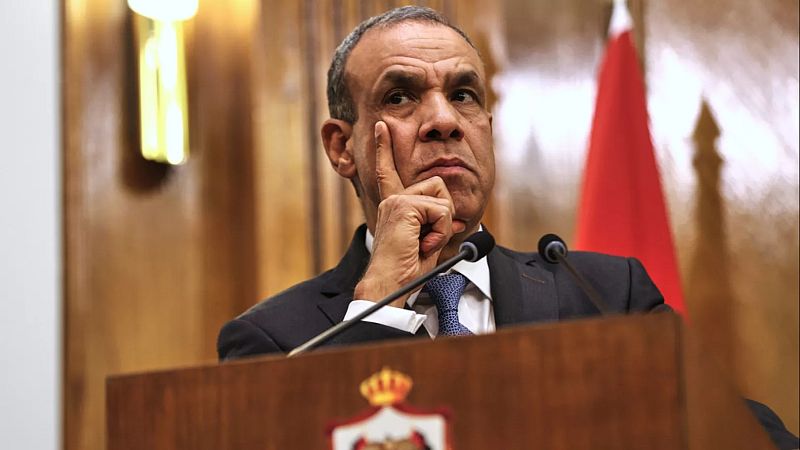
Egypt's Strong Opposition to Israel's "Humanitarian City" Plan
Cairo has strongly opposed Israel’s proposal to create a so-called “humanitarian city” on the ruins of Rafah in southern Gaza. The Egyptian government warns that this initiative could lead to a mass exodus of Palestinians toward Egypt’s border, further destabilizing the region. This opposition is not only political but also reflects the sentiments of the general public.
In a recent phone call with the US Middle East Envoy Steven Witkoff, Egyptian Foreign Minister Badr Abdelatty firmly rejected the idea. According to reports, Israel plans to build a gated camp, known as the “humanitarian city,” to accommodate an initial 600,000 Palestinians displaced from northern Gaza. Once inside, these individuals would be barred from returning to their homes indefinitely, according to the Israeli proposal.
The Egyptian stance aligns with widespread public sentiment across the country. Many citizens express strong disapproval of any attempt to displace Palestinians from their land. Ahmed Hassan, an Egyptian citizen, emphasized the unity of the Arab position and the consistency of Egypt’s stance since the beginning of the Palestinian issue. He stated:
“The Arab position is unified, and Egypt's position has been consistent from the beginning of the Palestinian issue. Our opinion is consistent, and the opinion of the Egyptian people is consistent, and the political leadership in Egypt is consistent: there is no displacement, no playing around with the Palestinian issue, no evacuating the land, and no displacement in any way, shape or form.”
Others echoed similar sentiments, asserting that Israel has no right to displace Palestinians from their own land. Karam Al-Abassi said:
“This is their land. There is no way they will abandon it and leave. Anyone in their place would not leave their home or accept that someone else pushes them out of it.”
Mohamed Hani, another citizen, added:
“This land belongs to Palestine, so it's not right for anyone to come and control someone else's land as he pleases. You understand what I mean? No, this land has had its name here in Palestine since ancient times, a very long time ago. Its name is Palestine. This is their land. It's not right for anyone to come and seize it all at once and take advantage of the fact that they don't have an army or a police force or anything.”
Regional and International Concerns
The Arab League has also expressed strong opposition to the establishment of such a camp. The pan-Arab organization argues that there is no genuine humanitarian cause behind the plan, suggesting it reflects Israel’s ongoing intention to pursue what it calls an “ethnic cleansing strategy.”
Mohamed Al-Sherif, head of the Al-Araby Center for Research and Studies, commented:
“Israel does not know humanity. Even in distributing aid with the United States, it was a trap for some of our brothers in Palestine. Today we are talking about a real tragedy that the international community has unfortunately overlooked.”
Cairo is particularly concerned that if the camp is established, it could trigger a mass influx of Palestinians toward the Egyptian border. This scenario would likely lead to increased security measures by Israel in the area between the two countries, which could violate the 1979 peace treaty between Egypt and Israel.
Al-Sherif warned that the expansion of the conflict circle could make the region less safe for Israel. He noted:
“The more the circle of war expands, the more unsafe it becomes for Israel. We have seen how the circle of war with the Iranian side has expanded, and how Israel's security has been directly targeted. We are talking about losses faced by the occupying entity which have not occurred since the October 1973 victory. Of course, the liquidation of the Palestinian cause will not achieve security for Israel.”
Internal Divisions and Global Concerns
Internally, Israelis are divided over the plan, as its implementation could increase financial pressure on the country. Additionally, some Jewish communities in Europe and the United States fear that the project could fuel antisemitism and be perceived as akin to building a concentration camp for Palestinians.
The situation remains highly sensitive, with multiple stakeholders expressing concerns about the potential consequences of the proposed “humanitarian city.” As the debate continues, the international community watches closely, aware of the broader implications for regional stability and the rights of the Palestinian people.

Post a Comment for "Egyptians Oppose Israel's 'Humanitarian City' Plan in Southern Gaza"
Post a Comment