EGLE Intervenes to Mandate Action on Holly Mill Pond Dam
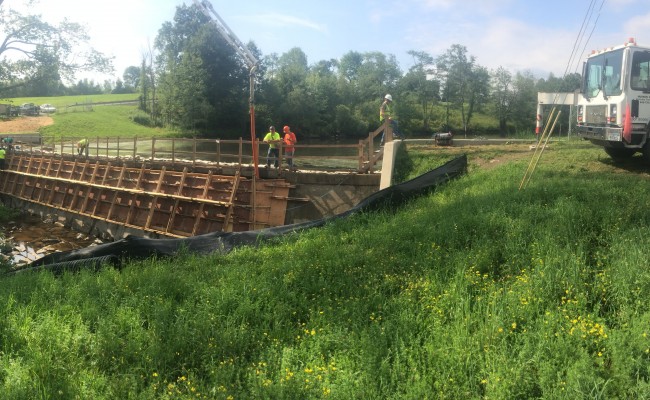
Michigan State Steps In to Lower Water Levels at Holly Mill Pond Dam
The Michigan Department of Environment, Great Lakes and Energy (EGLE) has taken action to lower water levels at the Holly Mill Pond Dam after the Village of Holly failed to address critical maintenance issues. This decision came after a series of warnings from the state about the dam’s deteriorating condition and potential risks to public safety.
The drawdown process began on July 21, one week after EGLE sent a detailed letter to the village outlining the long-standing neglect of the dam and surrounding area over the past three decades. The letter emphasized that the Holly Dam is classified as a "significant hazard dam," meaning its failure could pose serious threats to public health, safety, and property.
Lucas Trumble, Supervisor of the EGLE Dam Safety Unit, wrote in a July 14 letter to the village's public works director that the community had ignored the dangers posed by the dam’s unstable condition. He stated that the village had not adequately addressed the growing risk of failure, which could lead to severe consequences.
In response, the Village of Holly attempted to halt the state's actions by filing two temporary restraining orders. However, both were denied by the Michigan Court of Claims, allowing EGLE to proceed with its work near the dam.
According to Jeff Johnson, Public Information Officer for EGLE, the water level was lowered at a standard rate of six inches per day, resulting in a total drop of four feet. This reduction will remain in place until the village can explore long-term solutions, such as rehabilitating or removing the dam. Johnson clarified that EGLE does not currently advocate for permanent removal of the structure.
Village Manager Tim Price described the impact of the water level drop, noting that a 24-inch decrease on the north shore has exposed an additional 20 feet of shoreline. This visual change highlights the scale of the adjustment made to the pond.
A report from Kalamazoo-based engineering firm SME, dated April 28, 2025, indicated that repair costs, which were estimated at $1 million in 2011, have now risen to between $2-3 million. The report also suggested that any reconstruction or removal project would take three to four years to complete.
One of the main issues identified in the report is the condition of the diversion dam, which requires a drawdown to facilitate necessary repairs. A 2005 assessment recommended modifying the 150-foot-long embankment with additional fill and a different slope. Despite these recommendations, the dam has continued to deteriorate.
Price argues that EGLE acted prematurely based on its current rating of the dam. Dams in Michigan are rated as satisfactory, fair, poor, or unsatisfactory. While a 2017 inspection deemed the Holly Dam “satisfactory,” it noted that the left embankment was rated “poor.” Price pointed out that an “unsatisfactory” rating would trigger immediate emergency action, but he claims no such designation has been officially made.
He also criticized the extensive list of conditions provided by EGLE for the dam’s repair, some of which he found unacceptable. Among the requirements was a stipulation that if the water level was not restored within two years, the area would revert to wetlands. Price expressed concerns that these terms placed an undue burden on the village.
In the July 14 letter, EGLE highlighted the lack of maintenance and ongoing deterioration of the dam. Trumble noted that many of the deficiencies had been documented since the dam’s first inspection in 1994. The condition of the dam worsened over time, leading to a downgrade from “fair” to “poor” in 2005 due to insufficient progress on addressing the issues.
The Village of Holly is now facing difficult and costly decisions regarding the future of the Holly Mill Pond Dam. A committee has been formed to evaluate options, including repairing the embankment or completely removing the dam.
Trumble, who has been involved in assessing the dam since 2010, has been clear about his stance. At a May 13 public meeting, he stated that patching the dam would not be a viable long-term solution. Instead, he emphasized the need for large-scale rehabilitation to ensure the dam’s safety if it is to remain in place.
Despite these challenges, the village faces financial hurdles. With a deficit exceeding $600,000, the village approved a special assessment millage in June to balance its annual budget. This one-year, 4-mill assessment will generate $658,710 in revenue, but none of this funding is designated for dam repairs.
The Holly Mill Pond Dam, constructed in 1840, consists of two parts: a powerhouse dam and a diversion dam. Both structures require careful evaluation and management to ensure their continued safety and functionality.

Post a Comment for "EGLE Intervenes to Mandate Action on Holly Mill Pond Dam"
Post a Comment