Critical school and child welfare funding delayed amid budget stalemate
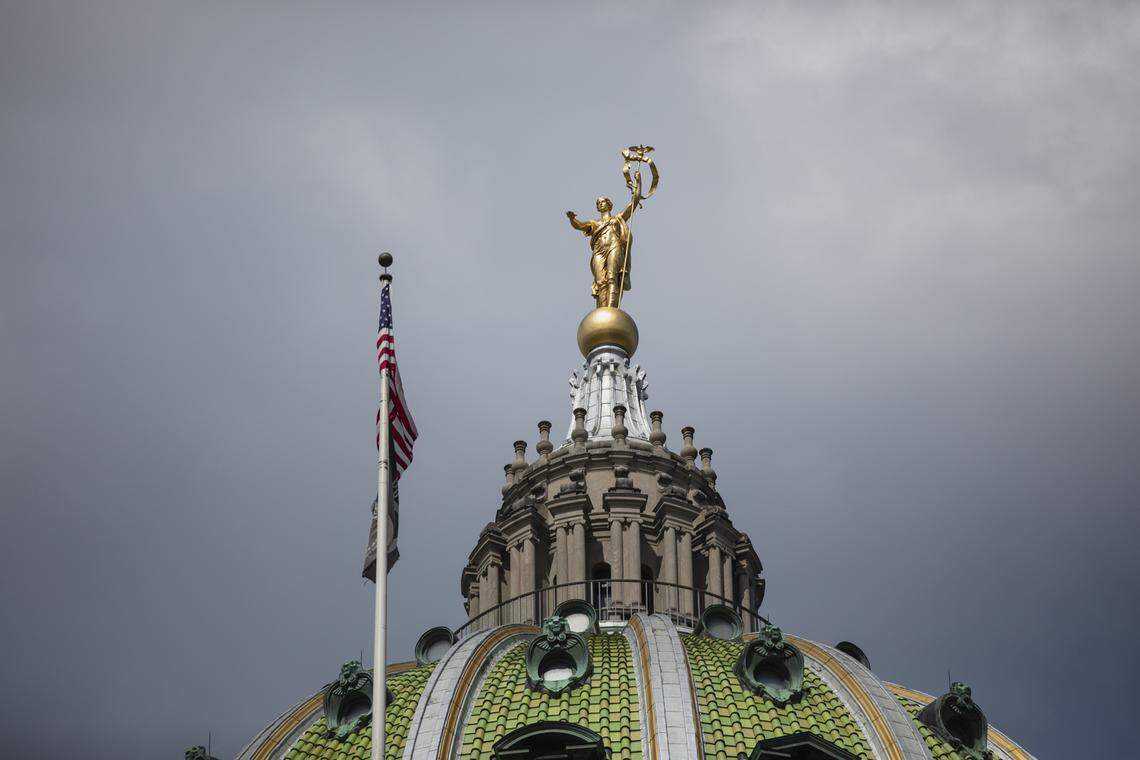
Pennsylvania Faces Major Payment Delays Due to Budget Impasse
Pennsylvania is facing a significant financial challenge as the state government struggles to finalize its budget, leading to potential delays in payments to schools, counties, and essential service providers. A top official from Governor Josh Shapiro’s administration has warned that at least $2.5 billion in payments will be delayed over the next six weeks.
Impact on Education and Health Services
In two letters sent by Secretary of the Budget Uri Monson, various organizations including tech schools, libraries, ambulance services, and homeless shelters have been informed of the potential payment delays. The letters highlight that approximately $2 billion in education funding will be affected, primarily due to delayed monthly payments to school districts. Additionally, $542 million in health and human services funding, mostly directed to county child welfare offices, is also at risk.
Monson emphasized that once the legislature passes a budget bill and it is delivered to the governor’s desk for signing, the administration will work quickly to release the funds. However, the current impasse continues to create uncertainty for those relying on these critical resources.
Legislative Deadlock and Financial Disagreements
Pennsylvania lawmakers were expected to complete the budget by June 30, but ongoing disagreements over state spending have prevented this. Governor Shapiro proposed a $51.4 billion budget in February, which includes increased funding for Medicaid, support for underfunded school districts, and additional resources for mass transit. However, Republicans in the state Senate have resisted the proposed increase, citing concerns over the state's projected revenues.
To address the funding gap, Shapiro suggested using the state's existing cash reserves. Once these reserves are depleted, the state may need to either cut spending or find new revenue sources. Both options have been discussed during negotiations.
Diverging Approaches to Revenue Generation
One approach to raising new revenue involves legalizing recreational marijuana and taxing its sale, a proposal supported by state House Democrats. On the other hand, state Senate Republicans have focused on regulating and taxing slot-like skill games. Despite weeks of closed-door discussions, a compromise between these positions has not yet been reached.
As of now, neither the state House nor Senate is scheduled to return to Harrisburg until the fall, further prolonging the uncertainty for affected organizations and communities.
Challenges for Counties and School Districts
John Buffone, spokesperson for the County Commissioners Association of Pennsylvania, confirmed that county officials have received the letters warning of potential missed payments. He noted that counties are preparing for disruptions in essential programs such as mental health services, child protective services, and support for individuals experiencing homelessness.
The ability of each county to manage these shortfalls varies significantly. Some may use reserves to temporarily cover costs by redirecting funds or delaying projects. However, if the impasse continues, some counties may need to take out loans or issue tax anticipation notes, which could lead to increased costs for local taxpayers.
Mackenzie Christ, spokesperson for the Pennsylvania School Boards Association, highlighted the challenges faced by school districts. An ongoing budget impasse disrupts planning and creates cash flow issues, making it difficult for school boards to hire staff, make repairs, and upgrade technology without knowing their state allocations.
Local property tax collections typically begin in August and September, but some districts may not have sufficient property tax bases to avoid cash flow shortages. As a result, they may be forced to borrow money to cover operational costs. Christ added that some districts have already had to borrow due to the current situation, and without reimbursement from the state, these costs will fall on the districts and their taxpayers.
Ongoing Concerns and Calls for Resolution
With no immediate resolution in sight, the impact of the budget impasse continues to grow. Stakeholders across the state are urging for a swift agreement to ensure the continued operation of essential services and the stability of local communities.

Post a Comment for "Critical school and child welfare funding delayed amid budget stalemate"
Post a Comment